














This is the English translation of a Turkish language article that was originally published by AVİM on 11 November 2026.
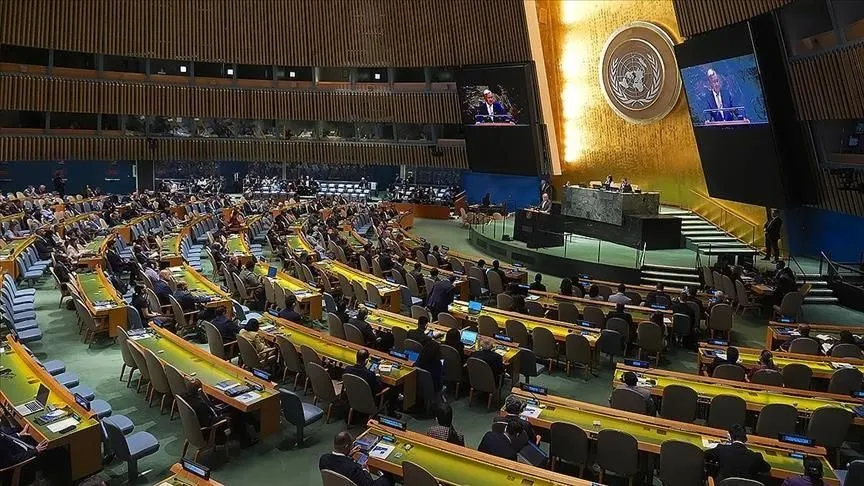
The United Nations (UN) General Assembly adopted Resolution A/RES/80/250 on 25 March 2026, defining the Transatlantic slave trade and the racialized enslavement of Africans as the gravest crime against humanity. Drafted under the leadership of Ghana, the resolution passed with 123 votes in favor. While the United States, Israel and Argentina voted against the resolution, 52 countries abstained.[1] In addition to recognizing the historical consequences of the slave trade, the resolution calls for addressing the ongoing effects of this past. Formal apologies, compensation, restitution of cultural prosperity, and redress of historical injustices are among the main issues addressed in the resolution.[2]
The resolution has brought the international community’s approach to confronting historical crimes back to the forefront. The Transatlantic slave trade, which lasted for centuries, led to millions of Africans bring forcibly uprooted from their homelands and taken to the Americas. The United Kingdom, France, the Netherlands, Portugal and Spain were among the major European states that carried out the transatlantic slave trade. The economic gains derived from the slave trade played a significant role in the development of Europe and colonial economies in the Americas. The consequences of this system did not disappear even after the abolition of slavery. Communities of African descent have faced discrimination, economic inequality and social exclusion for many years.
The resolution adopted by the UN General Assembly calls not only for remembering this painful past but also for confronting its consequences. Operative Paragraph 8 of the resolution calls on member states to engage in a good-faith dialogue on redressing historical wrongs. Within the scope of this dialogue, methods such as formal apologies, restitution, compensation, and rehabilitation are listed.[3] Therefore, the resolution links the acknowledgement of historical responsibility with concrete steps that need to be taken today.
The adoption of the resolution by a majority vote does not mean that the responsibilities in question have been accepted. When the voting results are examined, it can be seen that European countries with a historical role in the slave trade, such as the UK, France, the Netherlands, Belgium, and Germany abstained rather than supporting the resolution. The reason for these countries’ abstentions may differ. However, the emerging picture demonstrates that there is no common approach within the international community regarding the recognition of historical crimes and addressing their consequences.
This debate surrounding the slave trade raises the issue of consistency in the approach of the relevant states toward historical events. It can be observed that while these states take a stance in favor of the international recognition of historical claims directed at third parties, they do not appear to adopt the same approach when events in their own histories and the responsibilities arising from them come to the fore. This situation raises the issue of history being instrumentalized for political purposes.
The stance taken by states that advocate the recognition of distorted historical claims concerning other countries, yet adopt a different position when documented events and responsibilities from their own histories are brought up reveals a clear case of double standards.
Another dimension of this debate is the issue of apologies and reparations. In a statement end of October 2026, British Prime Minister Andy Burnham said that he was open to calls for a formal apology on behalf of the British state for its role in the Transatlantic slave trade, but ruled out financial reparations.[4] King Charles III, in his speech at the opening of the Commonwealth Heads of Government Meeting held in Antigua and Barbuda on 3 November 2026, described the Transatlantic slave trade as a shameful chapter in history and expressed his deep sorrow over what had taken place. However, the King’s speech did not include a formal apology.[5]These statements show that there is still a significant gap between acknowledging historical responsibility and taking the steps required by that responsibility.
In conclusion, the UN General Assembly’s resolution on the slave trade is an important political step toward the recognition and redress of historical injustices. However, the issue of historical responsibility should not be directed solely at certain countries or exploited for political purposes; those who make accusations on this matter should demonstrate consistency in their approach to past events. States that advocate for the recognition of claims concerning the historical past of other countries must be able to show the same openness when the practices in their own history and their consequences are brought up.
*Image: Anadolu Agency
[1] “Addressing the Historical Wrongs and Advancing Reparatory Justice for Africans and People of African Descent,” A/RES/80/250, United Nations General Assembly, March 25, 2026, https://digitallibrary.un.org/record/4106660.
[2] Adam Abu-bashal, “BM Genel Kurulu, köleliği insanlığa karşı büyük adaletsizlik olarak tanıdı,” Anadolu Agency, March 25, 2026, https://www.aa.com.tr/tr/dunya/bm-genel-kurulu-koleligi-insanliga-karsi-buyuk-adaletsizlik-olarak-tanidi/3879420.
[3] “Addressing the Historical Wrongs and Advancing Reparatory Justice for Africans and People of African Descent,” A/RES/80/250, United Nations, https://mandates.un.org/mandate/A/RES/80/250.
[4] “UK PM Burnham Says He Is 'Open' to Formal Apology for Slavery, but Rules Out Reparations,” Reuters, October 31, 2026, https://www.reuters.com/world/uk/uk-pm-burnham-says-he-is-open-formal-apology-slavery-rules-out-reparations-2026-10-31/.
[5] “A Speech by The King at the CHOGM Opening Ceremony in St John's Antigua,” The Royal Family, November 3, 2026, https://www.royal.uk/chogm-opening-ceremony-2026-speech.
© 2009-2025 Center for Eurasian Studies (AVİM) All Rights Reserved
No comments yet.
-
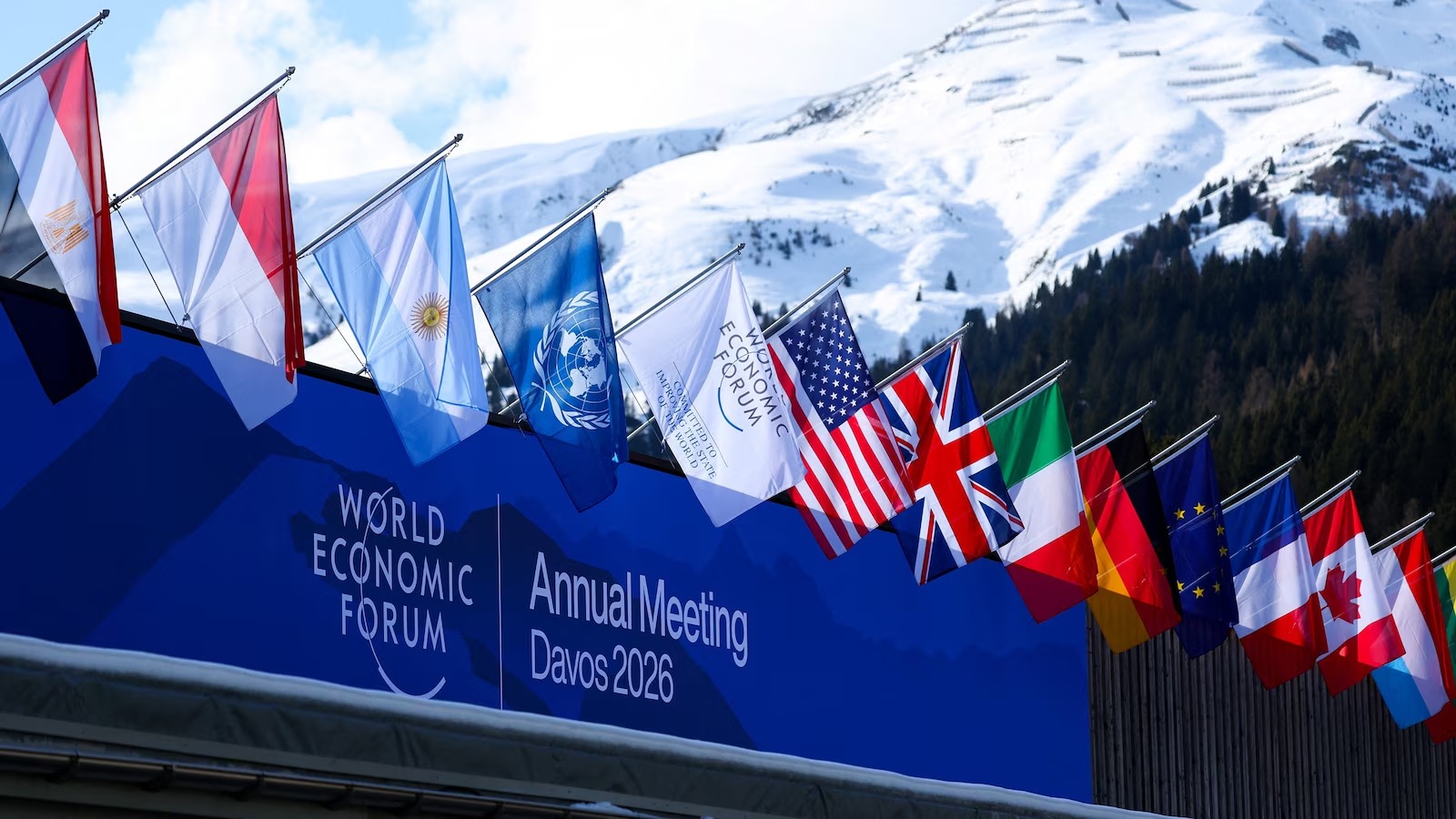 CHANGING ARCTIC AGENDA AT THE DAVOS SUMMIT
Özge Emine ÖZÇELİK 28.01.2026 -
THE EFFORT OF THOSE WHO COMMIT GRAVE CRIMES AGAINST HUMANITY TO CONCEAL THEIR ACTIONS BY ACCUSING OTHERS
Özge Emine ÖZÇELİK 13.11.2026 -
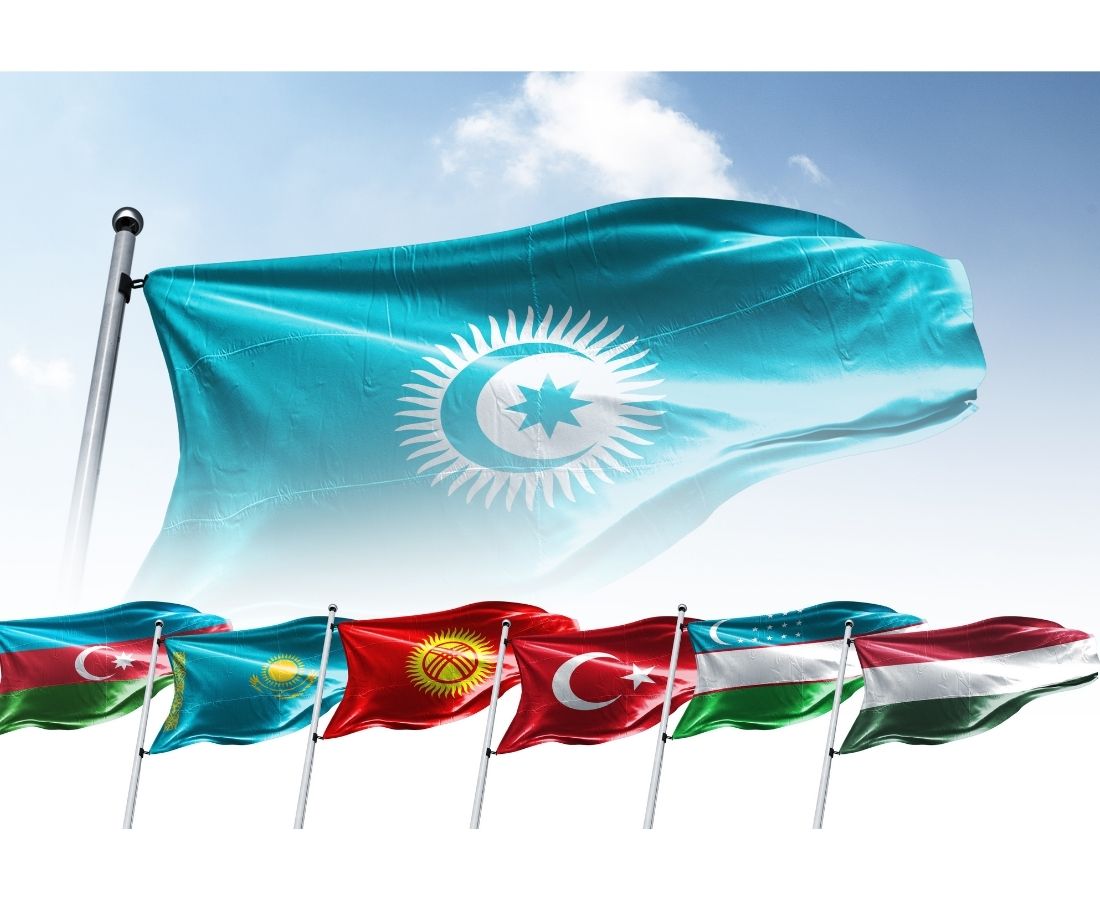 ORGANIZATION OF TURKIC STATES: THE INSTITUTIONALIZATION OF THE TURKIC WORLD
Özge Emine ÖZÇELİK 16.06.2026 -
 THE PEACE WATER PIPELINE PROJECT CAN BE UPDATED THROUGH EXPANSION
Özge Emine ÖZÇELİK 04.05.2026 -
 SECURITY IN THE TURKISH STRAITS AND THE BLACK SEA
Özge Emine ÖZÇELİK 08.04.2026
-
THERE MAY BE HOPE: LET’S BE OPTIMISTIC ABOUT THE RESOLUTION OF THE TURKISH-ARMENIAN CONTROVERSY
Turgut Kerem TUNCEL 24.02.2016 -
 CENTER FOR EURASIAN STUDIES (AVİM) HELD A BRAIN-STORMING MEETING ON THE TOPIC “ EURASIAN PERSPECTIVES- THE VIEWS FROM KAZAKHSTAN AND TURKEY”.
Hande Apakan 25.02.2014 -
 NEW ZEALAND ATTACK AND THE ARMENIAN DIASPORA’S TRIAL WITH TERRORISM
Aslan Yavuz ŞİR 21.03.2019 -
 TURKEY AND THE RUSSIAN BASE IN GYUMRI
Ömer Engin LÜTEM 11.02.2014 -
THE MINSK GROUP’S REGIONAL VISIT IS IN PROGRESS
Alev KILIÇ 25.11.2012
-
25.01.2016
THE ARMENIAN QUESTION - BASIC KNOWLEDGE AND DOCUMENTATION -
12.06.2024
THE TRUTH WILL OUT -
27.03.2023
RADİKAL ERMENİ UNSURLARCA GERÇEKLEŞTİRİLEN MEZALİMLER VE VANDALİZM -
17.03.2023
PATRIOTISM PERVERTED -
23.02.2023
MEN ARE LIKE THAT -
03.02.2023
BAKÜ-TİFLİS-CEYHAN BORU HATTININ YAŞANAN TARİHİ -
16.12.2022
INTERNATIONAL SCHOLARS ON THE EVENTS OF 1915 -
07.12.2022
FAKE PHOTOS AND THE ARMENIAN PROPAGANDA -
07.12.2022
ERMENİ PROPAGANDASI VE SAHTE RESİMLER -
01.01.2022
A Letter From Japan - Strategically Mum: The Silence of the Armenians -
01.01.2022
Japonya'dan Bir Mektup - Stratejik Suskunluk: Ermenilerin Sessizliği -
03.06.2020
Anastas Mikoyan: Confessions of an Armenian Bolshevik -
08.04.2020
Sovyet Sonrası Ukrayna’da Devlet, Toplum ve Siyaset - Değişen Dinamikler, Dönüşen Kimlikler -
12.06.2018
Ermeni Sorunuyla İlgili İngiliz Belgeleri (1912-1923) - British Documents on Armenian Question (1912-1923) -
02.12.2016
Turkish-Russian Academics: A Historical Study on the Caucasus -
01.07.2016
Gürcistan'daki Müslüman Topluluklar: Azınlık Hakları, Kimlik, Siyaset -
10.03.2016
Armenian Diaspora: Diaspora, State and the Imagination of the Republic of Armenia -
24.01.2016
ERMENİ SORUNU - TEMEL BİLGİ VE BELGELER (2. BASKI)
-
AVİM Conference Hall 24.01.2023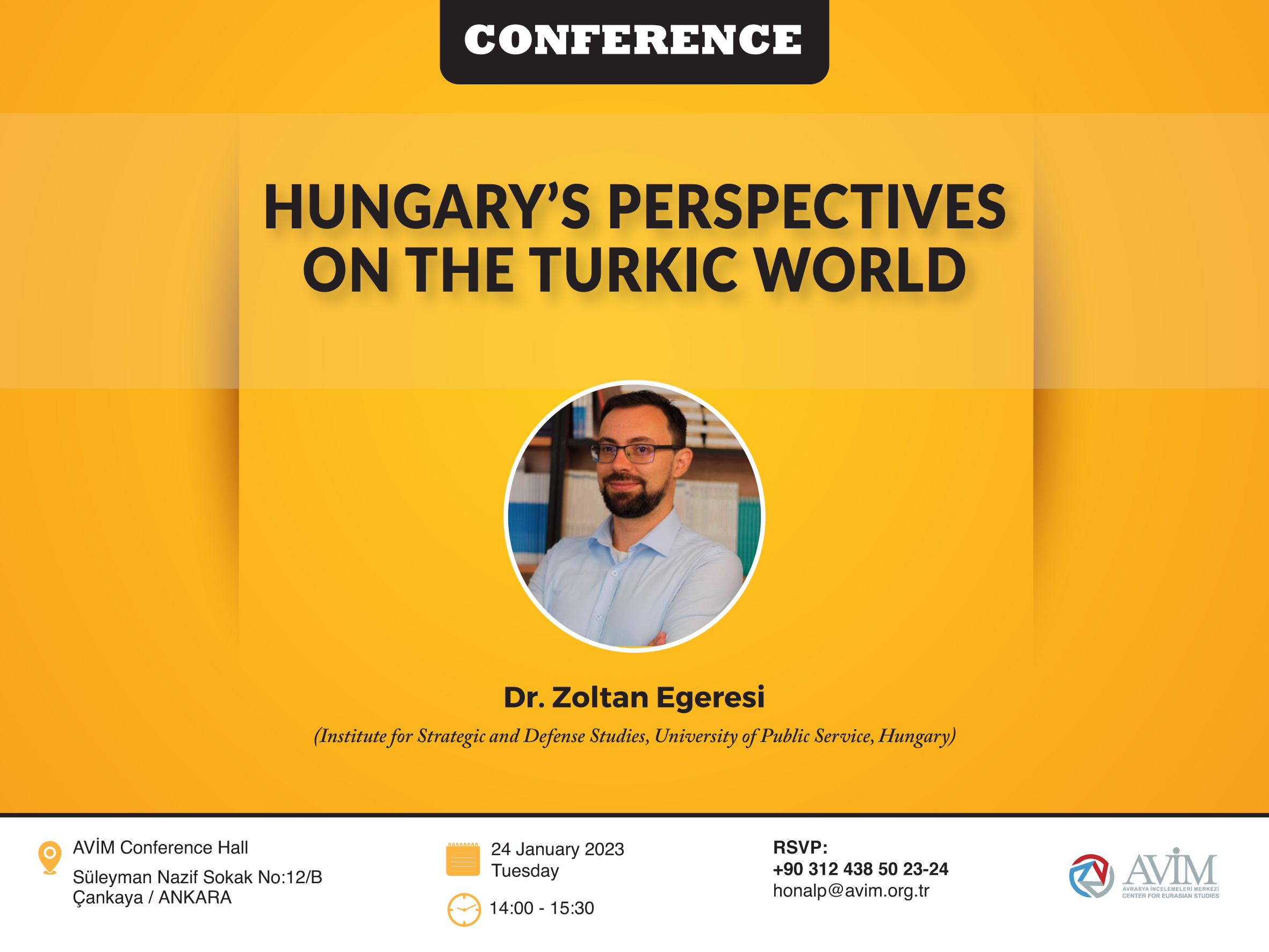
CONFERENCE TITLED “HUNGARY’S PERSPECTIVES ON THE TURKIC WORLD"