This is the English translation of a Turkish language article that was originally published by AVİM on 16 September 2026.
Azerbaijan-Armenia relations, which underwent a significant transformation following the Second Karabakh War, have been progressing in an increasingly positive direction in recent years. Although the expected final peace treaty has not yet been signed, the end of the war, the formal recognition of Karabakh under Azerbaijani sovereignty, the increasing contact between heads of state and other official representatives, statements favoring peace and cooperation, and initiatives toward developing economic relations demonstrate that a significant normalization process is taking place between the two countries at the state level. These developments provide an important ground for normalization to be reflected in the relations between Azerbaijani and Armenian citizens as well. However, achieving this depends not only on the development of diplomatic and economic relations but also on overcoming mutual distrust, or even hostility, and negative historical perceptions that have accumulated between the two societies over the years. Therefore, the core issue today is not only the normalization of relations between states, but also the extent to which this normalization will be reflected in the relations between the two peoples and the degree to which it will contribute to the establishment of a lasting social peace.
However, certain Armenian and pro-Armenian organizations continue to target the progress made toward normalization between the parties. The statements and propaganda activities of these organizations are no longer a new development, and it can be said that the impact of their discourse has decreased in comparison to the past. Despite this, these organizations target not only Azerbaijan and its government, but also the current government of Armenia, which adopts normalization-oriented policies. Furthermore, they attempt to interfere with the initiatives undertaken by Azerbaijan to promote its cultural heritage on an international scale. This situation is noteworthy in that it demonstrates that the organizations in question perceive not only political developments but even Azerbaijan’s initiatives to promote its own cultural heritage internationally as a threat.
One of the recent examples of such initiatives took place in Switzerland a few days ago. Nearly 200 artists from Azerbaijan have participated in the 80th Septembre Musical Montreux-Vevey festival, held on 9-18 September, with a program featuring mugham, jazz, and traditional arts. This participation, which aims to introduce Azerbaijan’s cultural heritage to the world, also intends to strengthen the long-term strategic partnership and mutual understanding between Switzerland and Azerbaijan.[1] However, the cultural event in question was taken out of context by some pro-Armenian organizations, attempting to turn it into a subject of political debate.
Representatives of Christian Solidarity International, the Council of Armenian and Armenian-Friendly Associations in Switzerland, and the Switzerland-Armenia Association held a press conference accusing the organizers of the prestigious annual international Septembre Musical festival in Montreux of whitewashing Azerbaijan[2]. Attempting to attribute a political meaning in this manner to a music festival that is purely cultural in nature demonstrates that the normalization between states has not been reflected in the relations between societies to the same extent. Therefore, such initiatives also reveal that reaching the desired level of social relations between Azerbaijan and Armenia will require a longer journey that goes beyond diplomatic normalization.
At this point, the impact of historical narratives on the relations between the two societies should not be overlooked either. Every society has a historical narrative through which it interprets its own identity and past. In the Armenian historical narrative, the idea of being one of the first peoples to adopt Christianity, the narrative of “Tigranes the Great,” and the claims that Azerbaijan is historically a part of the “Armenian Highlands” occupy an important place. Various studies by different historians have demonstrated that these narratives are incompatible with historical reality or are controversial. However, what is truly remarkable here is not the existence of such historical narratives, but rather how these narratives are utilized today in debates concerning the historical and cultural heritage of neighboring peoples.
It is possible to see the current reflections of this practice particularly in the approaches of certain Armenian circles toward neighboring peoples, with whom they are in controversy regarding historical and cultural heritage. Indeed, when it comes to promoting Azerbaijan’s historical and cultural heritage on the international stage, the efforts of some pro-Armenian circles to discredit these initiatives demonstrate that the impact of differing narratives about the past continues to shape current relations. The controversy surrounding the festival in Switzerland is a current example of this. The attempt to transform Azerbaijan’s initiative to promote its music and cultural heritage on an international platform into a political debate shows that even the cultural sphere cannot fully escape the shadow of past conflicts.
Today, at a time when the normalization process between Azerbaijan and Armenia is progressing and diplomatic and economic relations are steadily improving, such initiatives by some Armenian representatives in different countries and certain circles in Armenia bring along concerns regarding the future of the process. Even though diplomatic relations between states are progressing in a positive and amicable direction, ensuring lasting peace and regional security requires eventually overcoming hatred, resentment, and mutual hostility between societies. True peace does not merely mean the cessation of wars on a regional or global scale, or the establishment of diplomatic relations between states. True peace also means overcoming the historical prejudices and hostilities of peoples toward one another, and developing mutual trust and understanding.
*Picture: Septembre Musical
© 2009-2025 Center for Eurasian Studies (AVİM) All Rights Reserved

















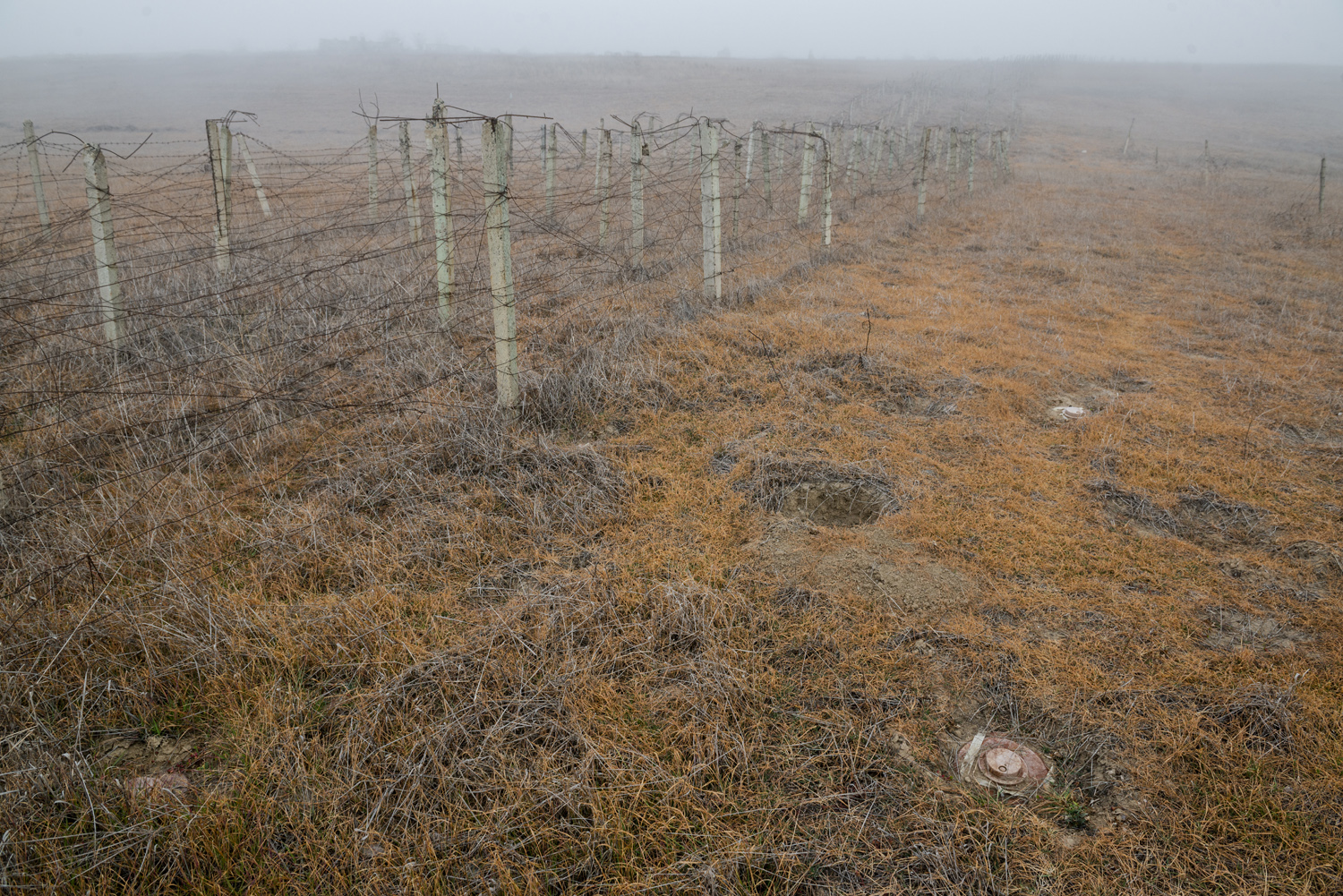 THE POST-WAR LANDMINE ISSUE IN KARABAKH
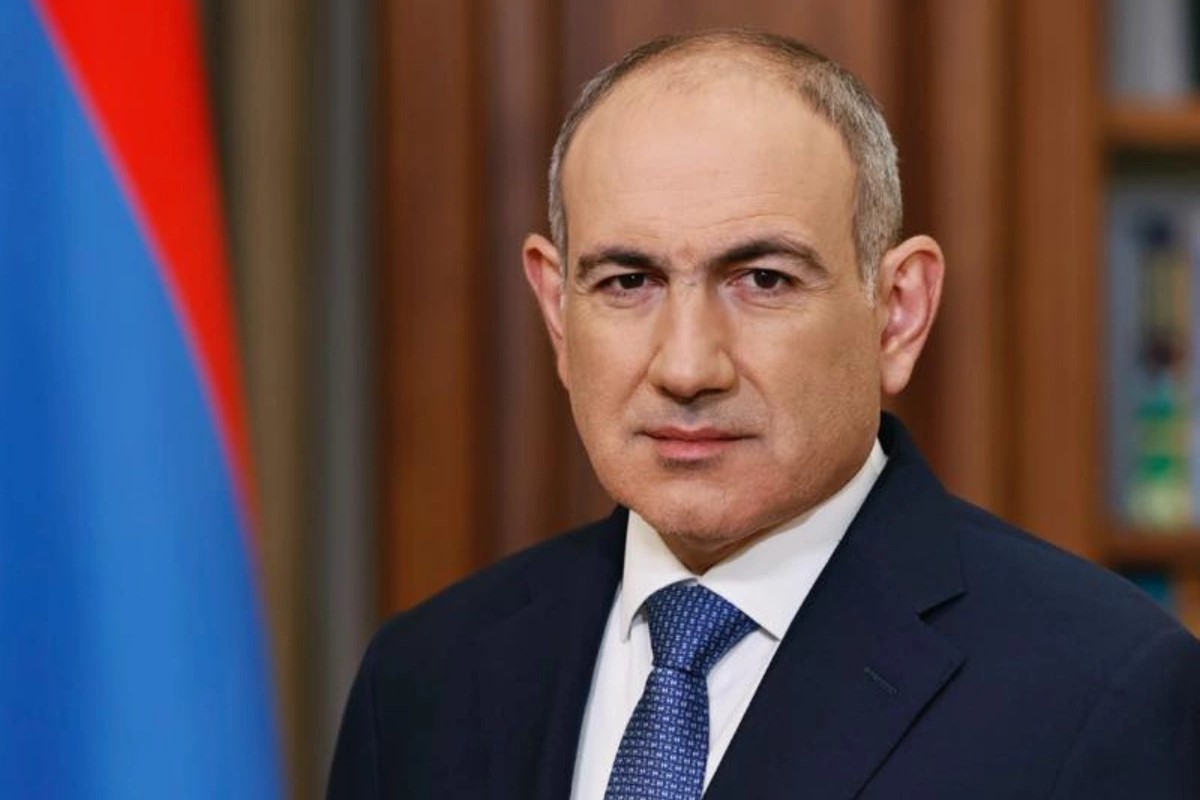 PASHINYAN INTRODUCES A NEW APPROACH TO THE PRESENTATION OF THE GENOCIDE ALLEGATION
 A SILENT POWER STRUGGLE CENTERED AROUND THE “ARAS 2025” MILITARY EXERCISE
 DIASPORA PERSPECTIVES ON ARMENIAN FOREIGN POLICY AND TÜRKİYE
 ATTEMPTS AT DIASPORIZING TURKISH ARMENIANS – II
RCEP AND ITS SIGNIFICANCE FOR THE SIGNATORY COUNTRIES FROM THE AUSTRALIAN PERSPECTIVE
 PASHINYAN’S QUEST FOR A NEW CONSTITUTION
 ARMENIAN CLAIMS DISMISSED BY THE EUROPEAN COURT OF HUMAN RIGHTS
 THE WATER DIVINER