














This is the English translation of a Turkish language article that was originally published by AVİM on 17 June 2026.
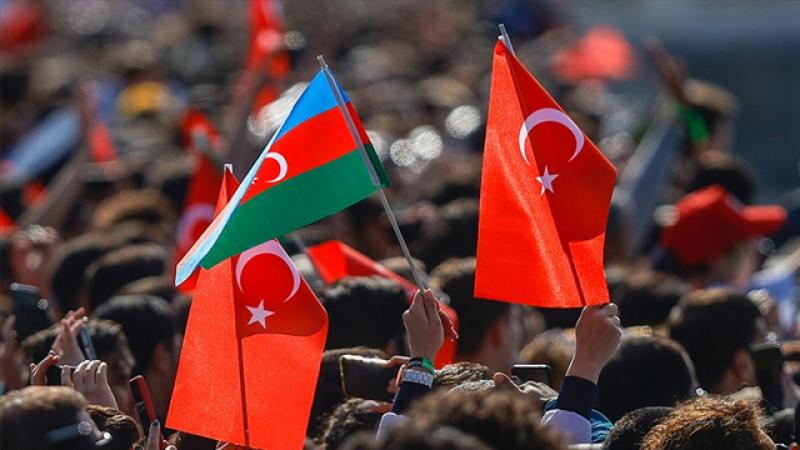
In recent years, in parallel with the deepening political, economic, and social relations between Azerbaijan and Türkiye, it has been observed that assessments have been made that question the cooperation between the two countries and target the existing harmony amongst them.[1] At first glance, these approaches may be regarded merely as criticisms directed at Baku-Ankara relations. When examined from a broader perspective, however, they appear to be connected with the level of cohesion that has strengthened in the Turkic world in recent years. In this context, it can be said that such discussions indirectly target not only the relations between the two countries, but also the cooperation and integration processes developing among the Turkic states.
Criticisms Directed at the Stable Relations Between the two Sides
When these writings are examined, it can be observed that Azerbaijan-Türkiye relations are mostly evaluated within the context of relations with Israel and Armenia. In this framework, Azerbaijan-Türkiye relations are frequently discussed through Azerbaijan’s positive relations with Israel and Türkiye’s periodic tensions with Israel. However, this approach tends to interpret Azerbaijan’s foreign policy preferences and regional strategy from a narrow perspective.
While Azerbaijan maintains its relations with Israel in the diplomatic, economic, and security spheres, it is developing its cooperation with Türkiye at a much more comprehensive and institutionalized level of strategic partnership. In this process, it can be observed that Baku pursues a balanced policy rather than taking a position in favor of either side, and, when necessary, it assumes a facilitating and balancing role between Ankara and Tel Aviv. In addition, while Azerbaijan’s relations with Israel are important, its relations with Türkiye are positioned on a different strategic level. The Shusha Declaration has further institutionalized this partnership, creating a long-term and multidimensional framework of cooperation in the political, economic, security, energy, and cultural fields. Moreover, Azerbaijan’s relations with Türkiye, unlike those conducted with Israel, are built upon shared history, culture, language, and societal ties, and thus have a deeper character.
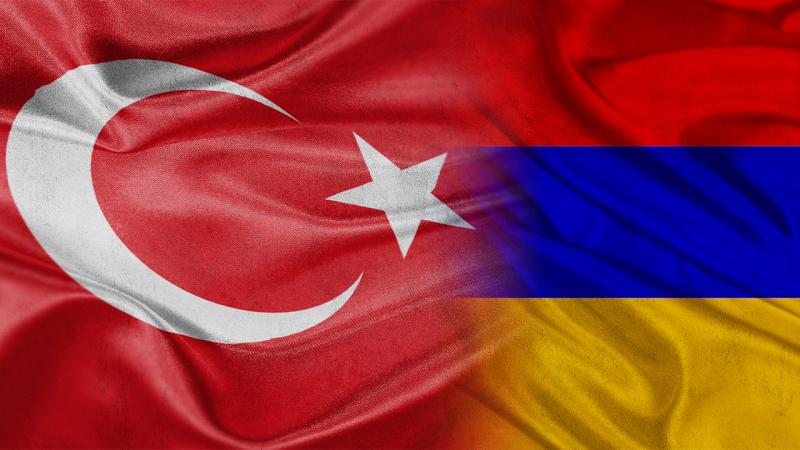
In the context of Armenia, Azerbaijan-Türkiye relations are frequently addressed together with Armenia-Azerbaijan and Türkiye-Armenia relations. In particular, following the Second Karabakh War and Azerbaijan’s restoration of its territorial integrity, assessments regarding the normalization process initiated between Türkiye and Armenia have gained prominence. This process is at times interpreted as Azerbaijan exerting a decisive influence over Türkiye’s Armenia policy. However, such assessments do not sufficiently reflect the multi-actor and multidimensional nature of the process.
From the perspective of Türkiye-Armenia relations, it can be observed that not only current developments but also historical legacy plays a determining role. Although the current Armenian administration has made various statements in favor of normalization, the occasional raising of controversial historical claims against Türkiye in international platforms, as well as Armenia’s positioning within frameworks known for anti-Türkiye sentiment, demonstrate that the nature of the relations continues to be fragile. For this reason, evaluating the Türkiye-Armenia normalization process solely on the basis of the de facto resolution of the Karabakh issue carries the risk of an incomplete reading which overlooks its historical, political, and societal dimensions. Despite Armenia’s obligations in the post-war period, its failure to complete the necessary constitutional and legal amendments indicates that the normalization and peace process has not yet fully concluded. Although Armenian Prime Minister Nikol Pashinyan has made statements acknowledging Karabakh as Azerbaijani territory, internal political dynamics, the influence of diaspora circles, and opposition discourse reveal that certain approaches and policies from the past have not been entirely abandoned.
The Target: Weaking the Solidarity Among Turkic States
The Organization of Turkic States (OTS), whose visibility has increased at both global and regional levels in recent years, should be taken into account as the background of the above discussions. Relations among Turkic states are increasingly acquiring an institutional character in the fields of politics, economy, security, transportation, energy, and technology, and are forming a multi-layered network of cooperation. In addition, member states maintain strong relations with one another on the basis of shared historical memory, cultural affinity, and linguistic ties.
Statements by OTS leaders describing the organization not merely as a platform for cooperation but as an important geopolitical center of power also supports this process.[2] In this context, while member states continue to effectively pursue their economic and political relations in Eurasia, their steps toward strengthening institutional cooperation among themselves also come to prominence. Within this framework, it can also be observed that certain criticisms of this integration process are at times expressed through the discourse of “Pan-Turkism.” When criticisms directed at Azerbaijan and Türkiye are evaluated in this context, the central position of both countries within OTS become evident. Türkiye, with its political, economic, and institutional capacity, plays an important role in the Turkic world, while Azerbaijan, thanks to its strategic location in the South Caucasus, its energy resources, and its influence over transportation corridors, constitutes a key connection point among Turkic states. For this reason, it can be argued that attempts to weaken the strategic partnership between Azerbaijan and Türkiye do not merely target their bilateral relations, but particularly the processes of cooperation and integration among Turkic states.
[1] Юрий Мавашев, Турция и Азербайджан: противоречия между «союзниками» скрывать всё труднее, June 15, 2026, https://vpoanalytics.com/point-of-view/turtsiya-i-azerbaydzhan-protivorechiya-mezhdu-soyuznikami-skryvat-vsye-trudnee/
[2] Ruslan Rehimov, Aliyev: Ailemiz olan Türk dünyası 21. yüzyılın nüfuzlu jeopolitik güç merkezlerinden birine dönüşüyor, June 15, 2026, https://www.aa.com.tr/tr/dunya/aliyev-ailemiz-olan-turk-dunyasi-21-yuzyilin-nufuzlu-jeopolitik-guc-merkezlerinden-birine-donusuyor/3967023
© 2009-2025 Center for Eurasian Studies (AVİM) All Rights Reserved
No comments yet.
-
 AZERBAIJAN-ARMENIA NORMALIZATION AND ITS REFLECTIONS IN THE CULTURAL SPHERE: THE CASE OF THE MONTREUX-VEVEY SEPTEMBRE MUSICAL
İlaha KHANTAMİROVA 28.09.2026 -
 A NEW TENSION EMERGING IN THE SOUTH CAUCASUS CONCERNING THE ISSUE OF RELIGIOUS REPRESENTATION
İlaha KHANTAMİROVA 31.07.2025 -
 DIASPORA PERSPECTIVES ON ARMENIAN FOREIGN POLICY AND TÜRKİYE
İlaha KHANTAMİROVA 30.06.2026 -
THE SOLIDARITY AMONG TURKIC STATES TARGETED THROUGH TÜRKİYE-AZERBAIJAN RELATIONS
İlaha KHANTAMİROVA 26.06.2026 -
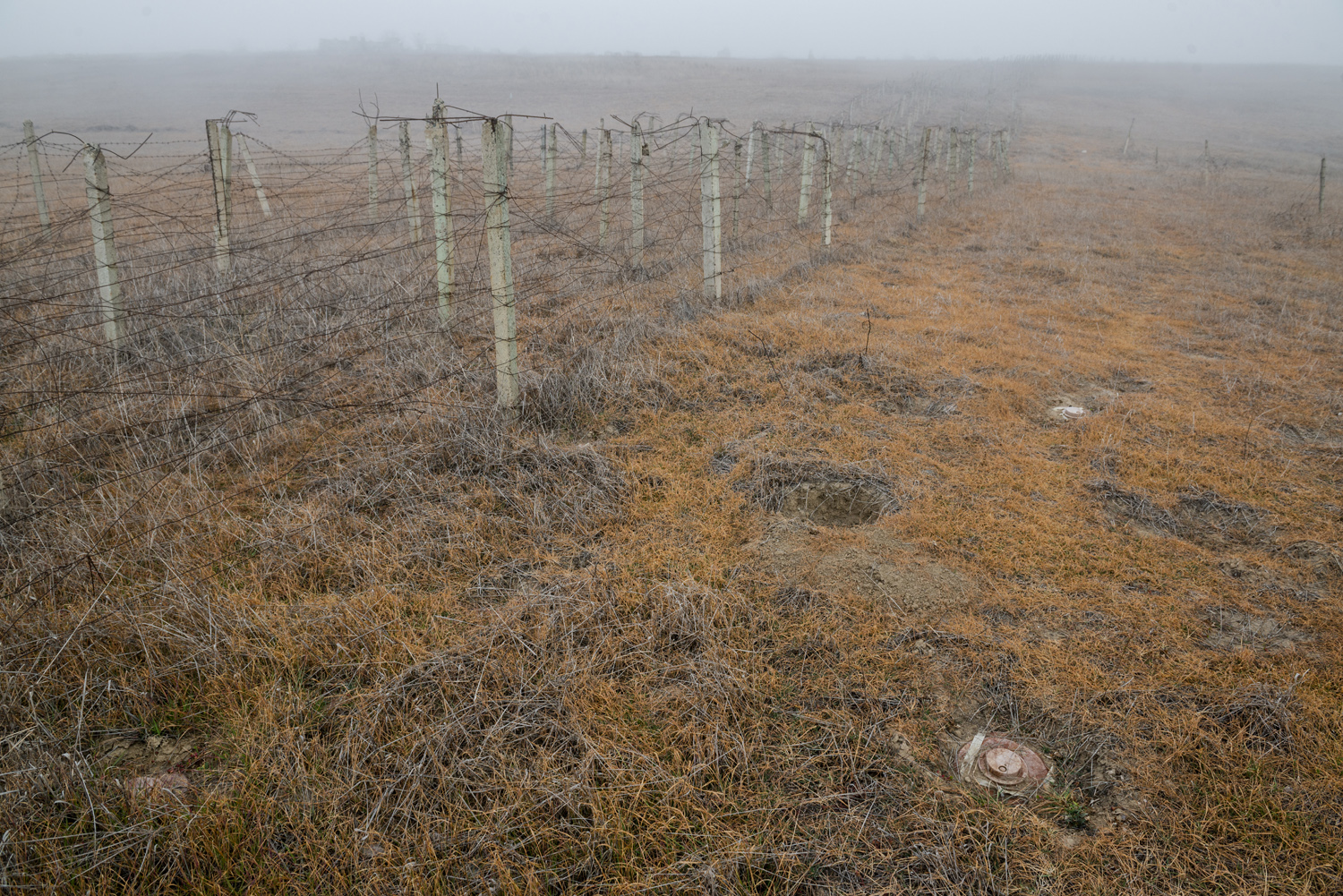 THE POST-WAR LANDMINE ISSUE IN KARABAKH
İlaha KHANTAMİROVA 12.06.2025
-
 ANTI-TURKEY AND ANTI-TURKISH VIEWS EXPRESSED AT A CONFERENCE ORGANIZED BY THE LSE TURKISH CHAIR
Mehmet Oğuzhan TULUN 28.05.2015 -
 WHY IS THE NAGORNO KARABAKH PROCESS IN DEADLOCK
Tutku DİLAVER 17.10.2019 -
 THE CASE OF SENATOR MENENDEZ AND THE NATURE OF GENOCIDE RESOLUTIONS
AVİM 11.09.2017 -
 24 APRIL
AVİM 24.04.2019 -
 ELECTION YEAR TENSION: LOBBIES AND BROKEN PROMISES IN THE USA
Tuğçe TECİMER 12.09.2024
-
25.01.2016
THE ARMENIAN QUESTION - BASIC KNOWLEDGE AND DOCUMENTATION -
12.06.2024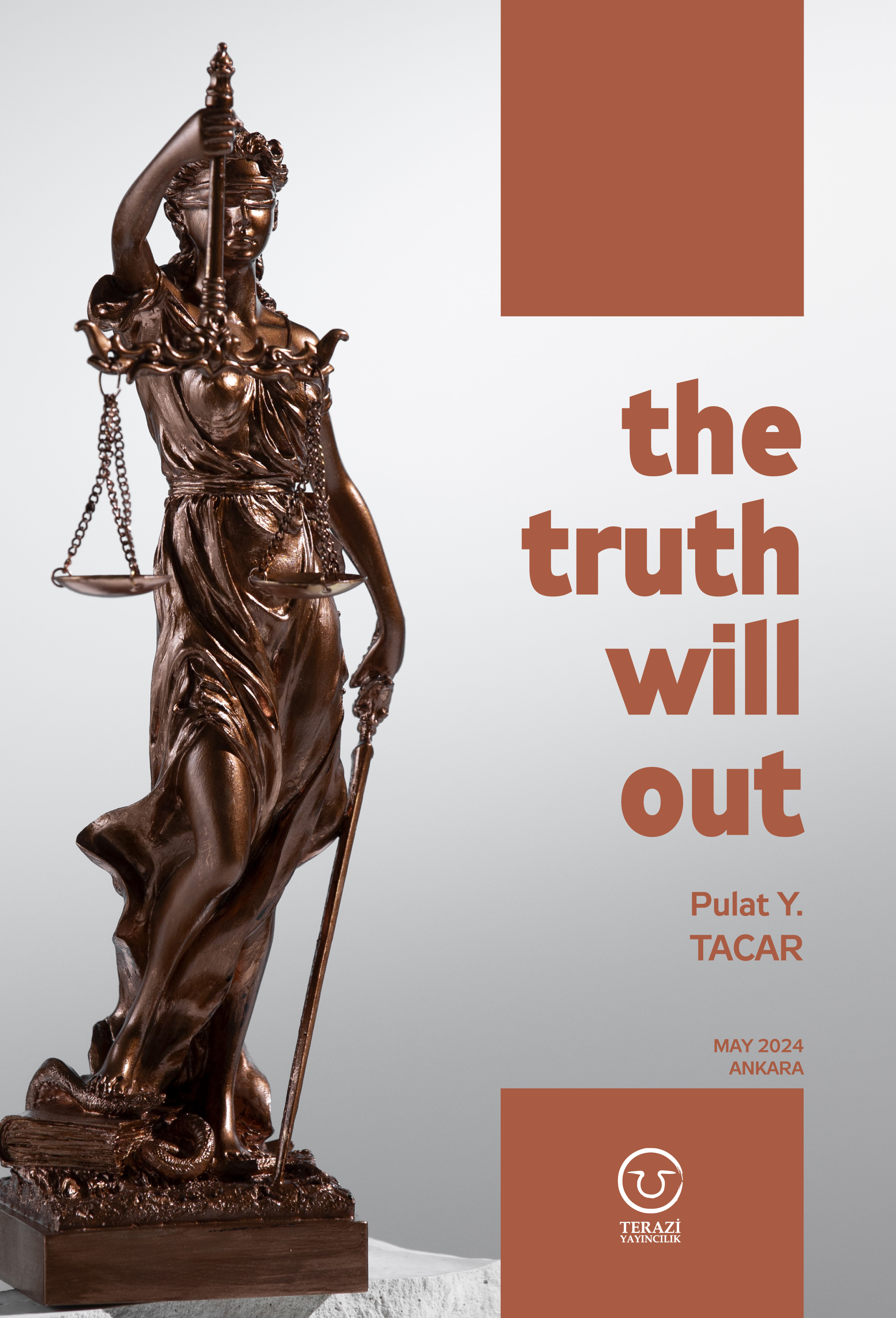
THE TRUTH WILL OUT -
27.03.2023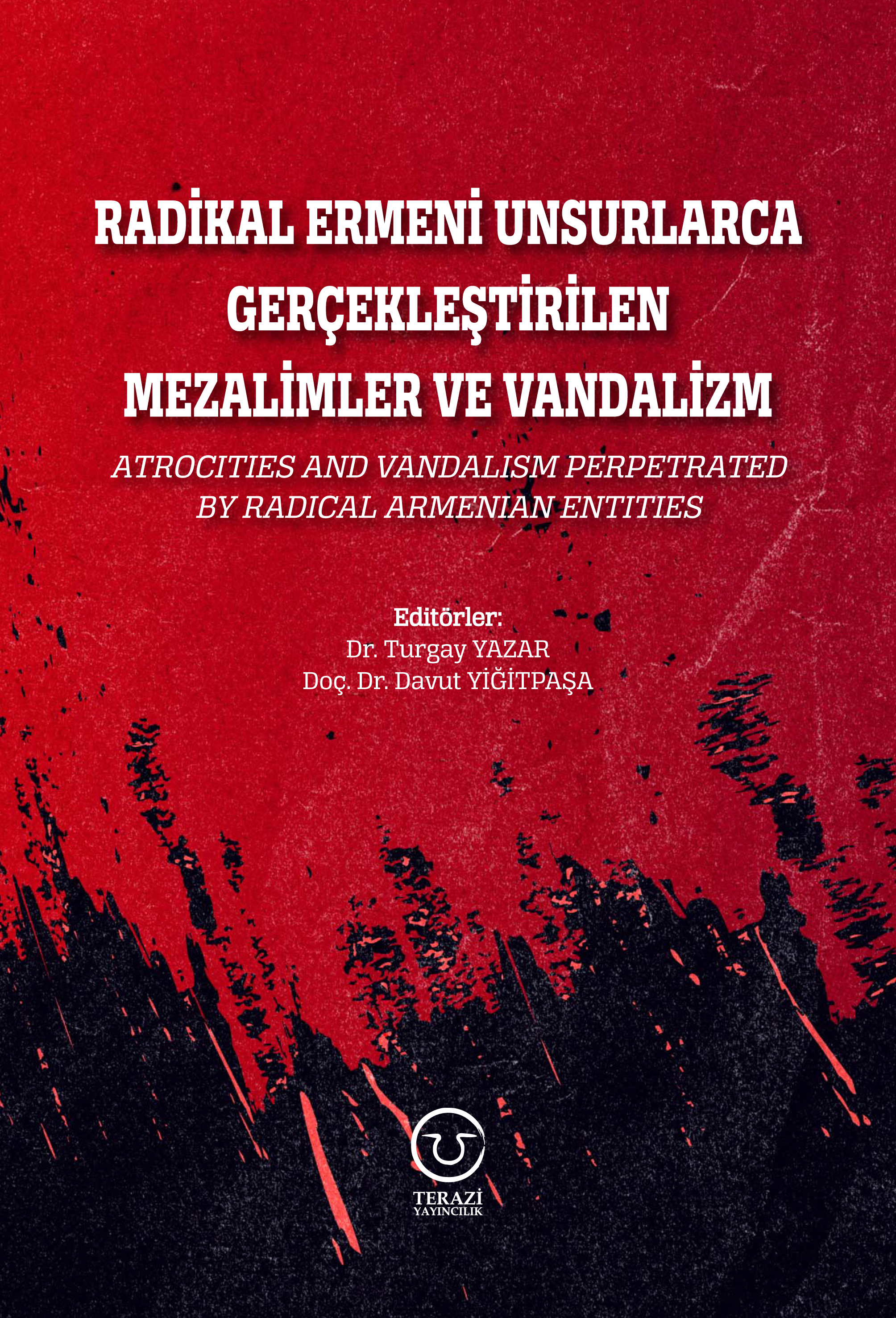
RADİKAL ERMENİ UNSURLARCA GERÇEKLEŞTİRİLEN MEZALİMLER VE VANDALİZM -
17.03.2023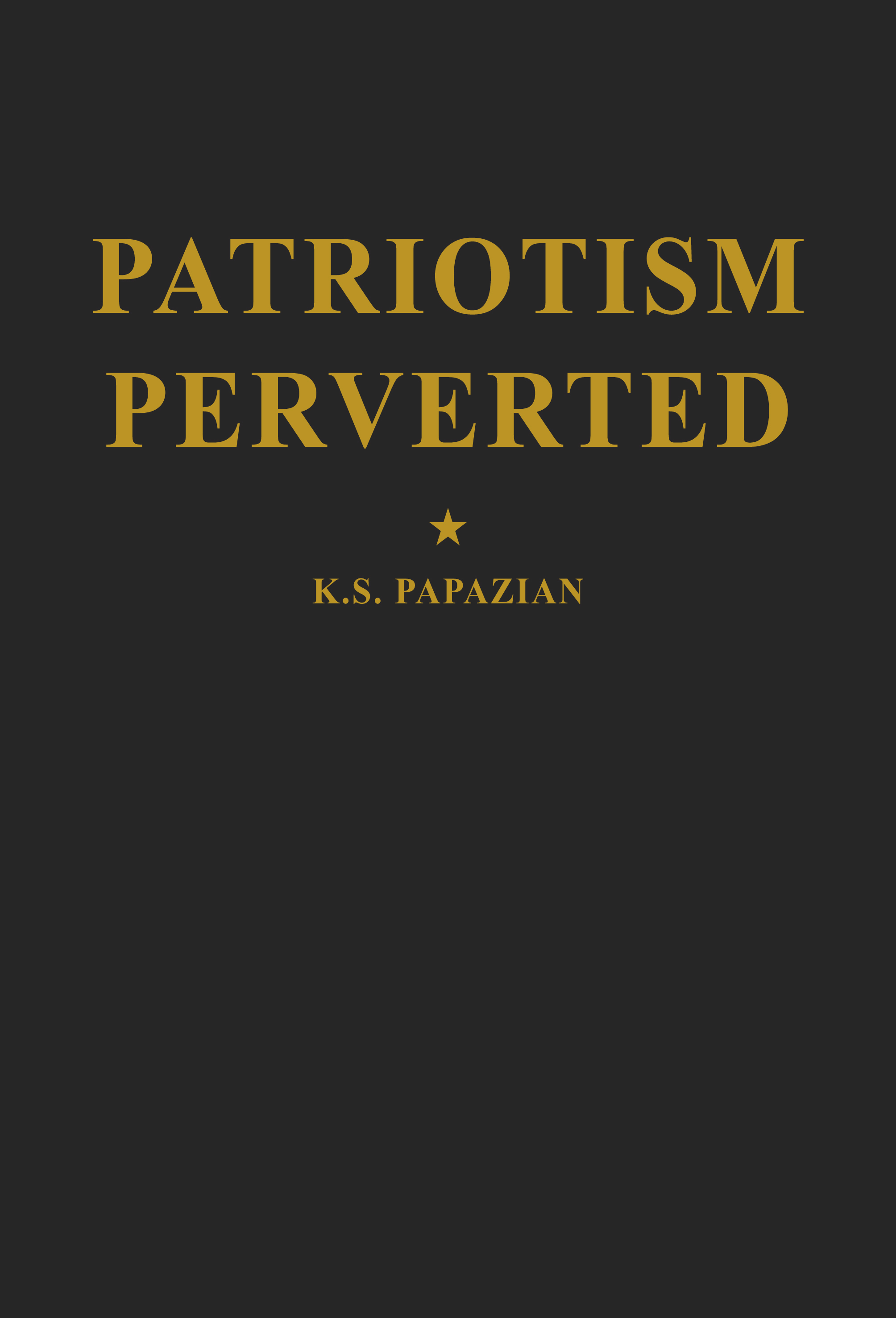
PATRIOTISM PERVERTED -
23.02.2023
MEN ARE LIKE THAT -
03.02.2023
BAKÜ-TİFLİS-CEYHAN BORU HATTININ YAŞANAN TARİHİ -
16.12.2022
INTERNATIONAL SCHOLARS ON THE EVENTS OF 1915 -
07.12.2022
FAKE PHOTOS AND THE ARMENIAN PROPAGANDA -
07.12.2022
ERMENİ PROPAGANDASI VE SAHTE RESİMLER -
01.01.2022
A Letter From Japan - Strategically Mum: The Silence of the Armenians -
01.01.2022
Japonya'dan Bir Mektup - Stratejik Suskunluk: Ermenilerin Sessizliği -
03.06.2020
Anastas Mikoyan: Confessions of an Armenian Bolshevik -
08.04.2020
Sovyet Sonrası Ukrayna’da Devlet, Toplum ve Siyaset - Değişen Dinamikler, Dönüşen Kimlikler -
12.06.2018
Ermeni Sorunuyla İlgili İngiliz Belgeleri (1912-1923) - British Documents on Armenian Question (1912-1923) -
02.12.2016
Turkish-Russian Academics: A Historical Study on the Caucasus -
01.07.2016
Gürcistan'daki Müslüman Topluluklar: Azınlık Hakları, Kimlik, Siyaset -
10.03.2016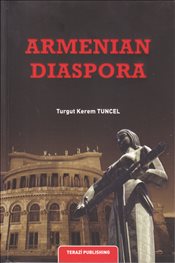
Armenian Diaspora: Diaspora, State and the Imagination of the Republic of Armenia -
24.01.2016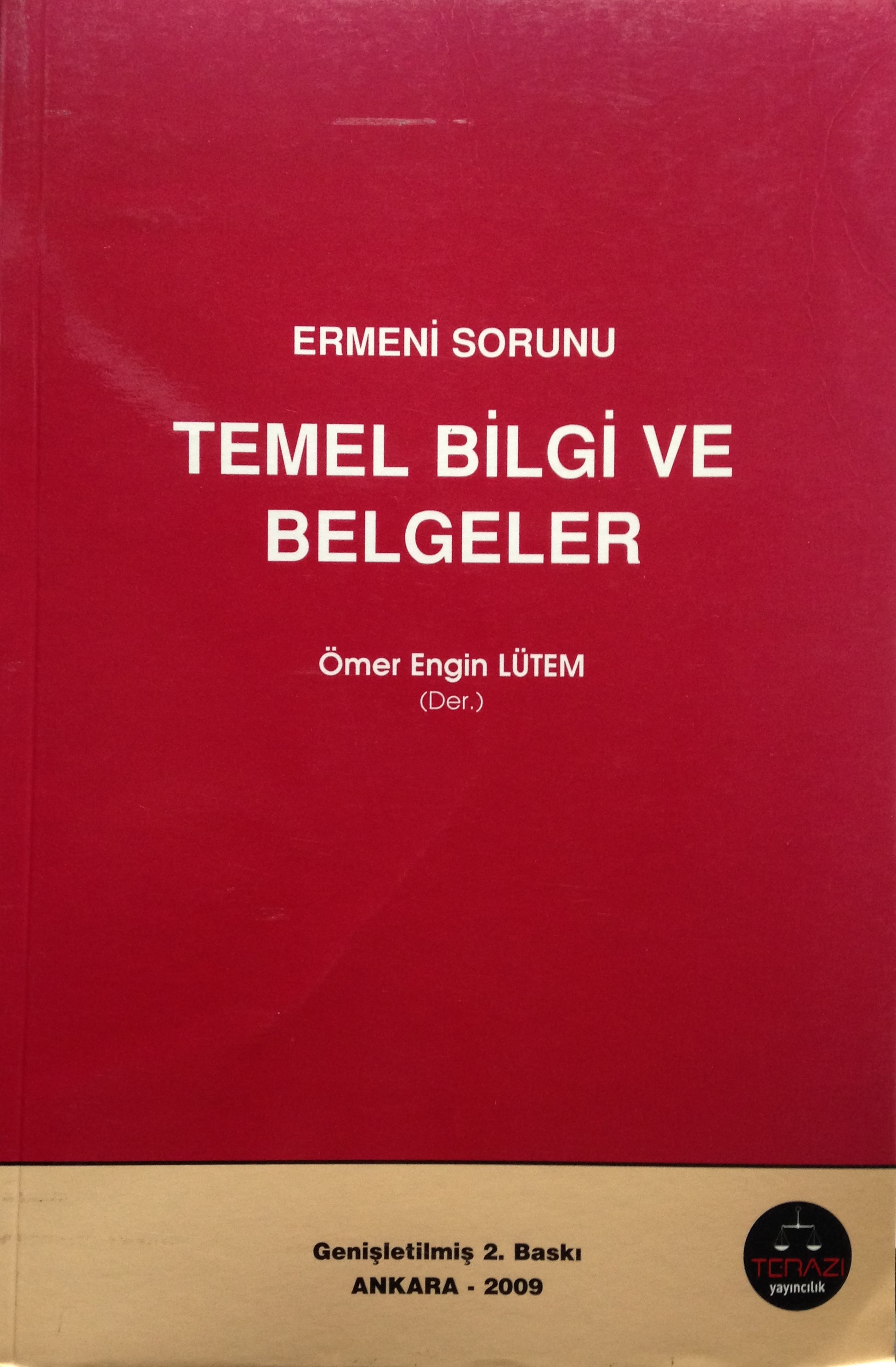
ERMENİ SORUNU - TEMEL BİLGİ VE BELGELER (2. BASKI)
-
AVİM Conference Hall 24.01.2023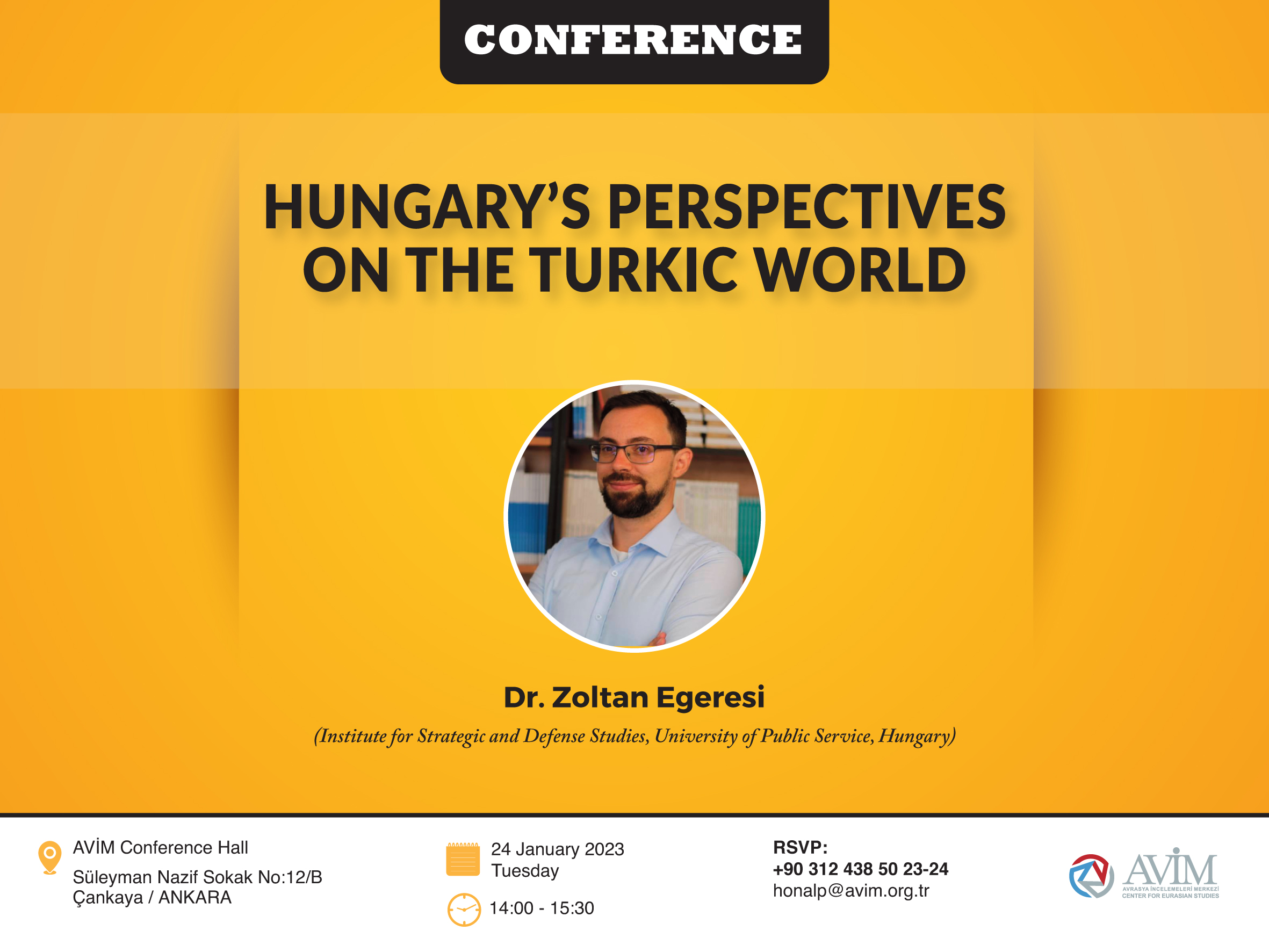
CONFERENCE TITLED “HUNGARY’S PERSPECTIVES ON THE TURKIC WORLD"