This is the English translation of a Turkish language article that was originally published by AVİM on 1 June 2026.
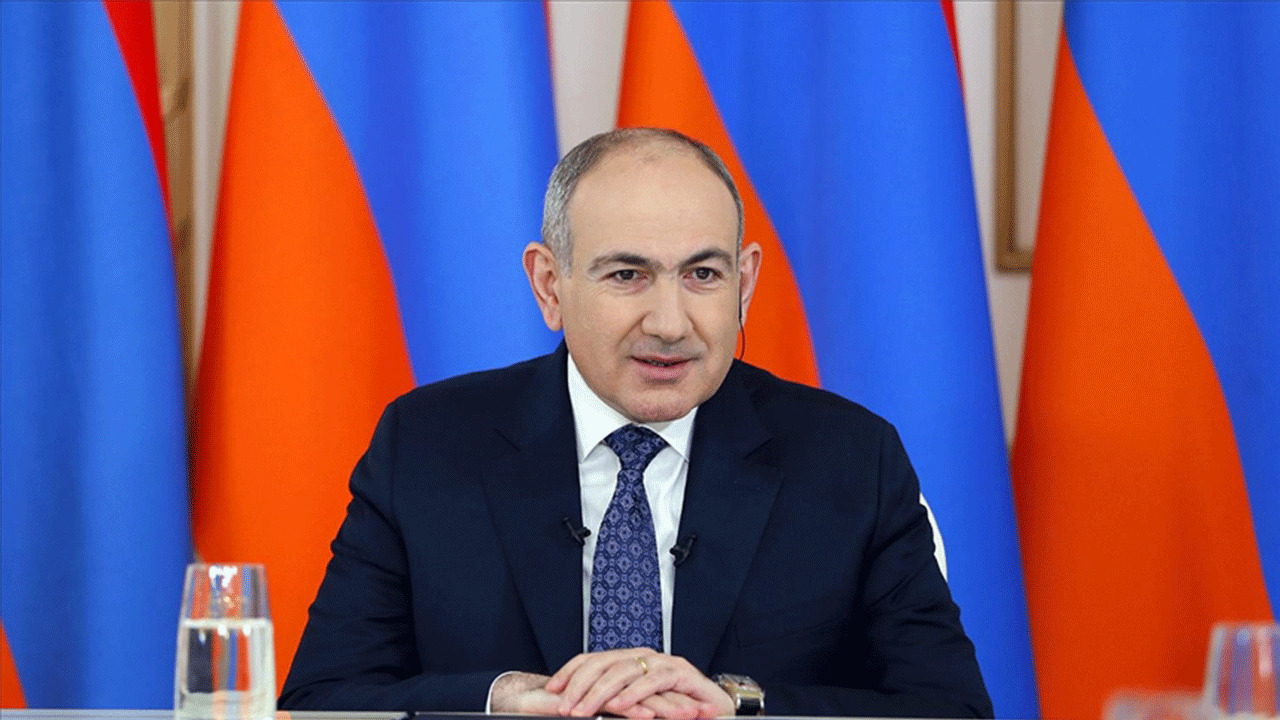
As the parliamentary elections expected to be held in Armenia on June 7 approach, growing unease, particularly within diaspora circles, has become increasingly noticeable. Recent statements by diaspora representatives, organized meetings, and proposals for new political initiatives indicate that Armenian politics is being deeply shaped not only by electoral competition but also by intensifying debates over state identity and the country’s national orientation.
The main reason for this unease is the new political approach adopted by Prime Minister Nikol Pashinyan. Pashinyan has emerged as the first political leader in the history of independent Armenia to openly challenge both the Armenian Church and the Armenian diaspora. In particular, his alternative discourse and his distinct stance on the Karabakh issue, compared to his predecessors, have led to significant divisions within diaspora circles. Pashinyan’s explicit acknowledgment that Karabakh is part of Azerbaijan and his emphasis that there is no legal connection between Karabakh and Armenia indicate a substantial departure from the traditional Armenian nationalist narrative.
This transformation has not remained confined to the level of rhetoric. The use of campaign pins depicting a map of Armenia without Karabakh, along with the distribution of similar images during the election campaign, suggests that the government is aiming to normalize its new political approach at the societal level. In other words, the Pashinyan administration appears to be pursuing not only a new foreign policy but also the construction of a new state identity.
Similarly, changes in passport designs, the removal of the Ağrı Mountain’s (“Mount Ararat” to Armenians) image from certain public symbols and debates concerning the national anthem may appear to be symbolic measures at first glance. However, when considered within the Armenia’s traditional political and ideological framework, they can be regarded as highly radical transformations. This is because, for a substantial segment of the Armenian diaspora, identity has been shaped by historical memory, the genocide narrative, the concept of “Western Armenia,” and the Karabakh issue. In this respect, the initiatives undertaken by Pashinyan have triggered re-evaluations of this ideological framework.
For this reason, diaspora circles tend to view this transformation not only as a political shift but as a direct threat to Armenian national identity. The meetings organized by diaspora groups in recent months are concrete manifestations of these concerns. While Armenians around the world have been called for active participation in the upcoming elections during such meetings, several more striking proposals have also been put forward.
In this context, the proposal by Harut Sassounian, a writer and former member of Armenia’s Ministry of Diaspora, to establish a “Diaspora Parliament” is particularly significant to understand the depth of the current tensions.[1] The idea of creating a diaspora parliament goes beyond a symbolic initiative and may raise questions regarding political legitimacy. After all, a parliament is the principal legislative institution of a state, and the Republic of Armenia already possesses an internationally recognized and legitimate parliament.
Although there are historical examples of communities that established political institutions in exile or under conditions of occupation, the current case of Armenia differs from these kinds of situations. Today, Armenia is an independent state recognized within international law and governed by an administration elected through the popular vote.
For this reason, an attempt by a diaspora group to establish an alternative “parliament” could further damage the already fragile relationship between the Armenian state and the diaspora. More importantly, it remains open to debate what kind of concrete contributions such a body could make to the security, the economic challenges, or regional stability in terms of the Armenian people.
In conclusion, the Armenian diaspora has historically possessed a strong political and economic influence capacity. However, an increasingly visible gap is emerging between the perspectives of diaspora communities living across different parts of the world and the everyday realities of Armenian society. In particular, the harsh rhetoric and the calls for public mobilization that have intensified in recent years are often centered on symbolic identity politics, yet these have failed to offer sufficient and concrete solutions to the social, economic, and security challenges faced by the Armenian people.
The current tensions between the Pashinyan administration and the diaspora should be understood not only as a temporary political dispute related to the electoral process, but also as a reflection of a deeper and longer-term struggle over what kind of state identity Armenia will adopt in the future.
© 2009-2025 Center for Eurasian Studies (AVİM) All Rights Reserved
















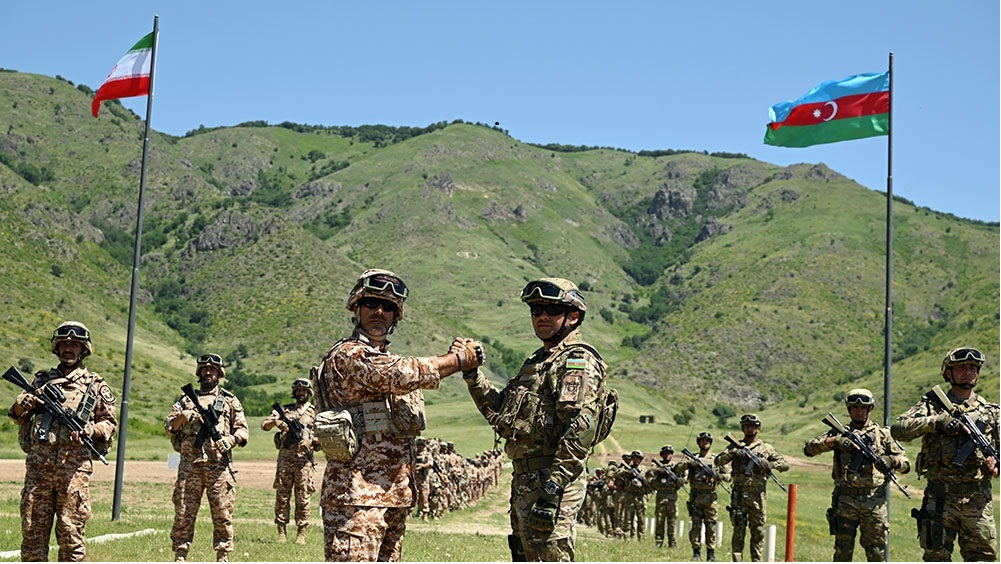 A SILENT POWER STRUGGLE CENTERED AROUND THE “ARAS 2025” MILITARY EXERCISE
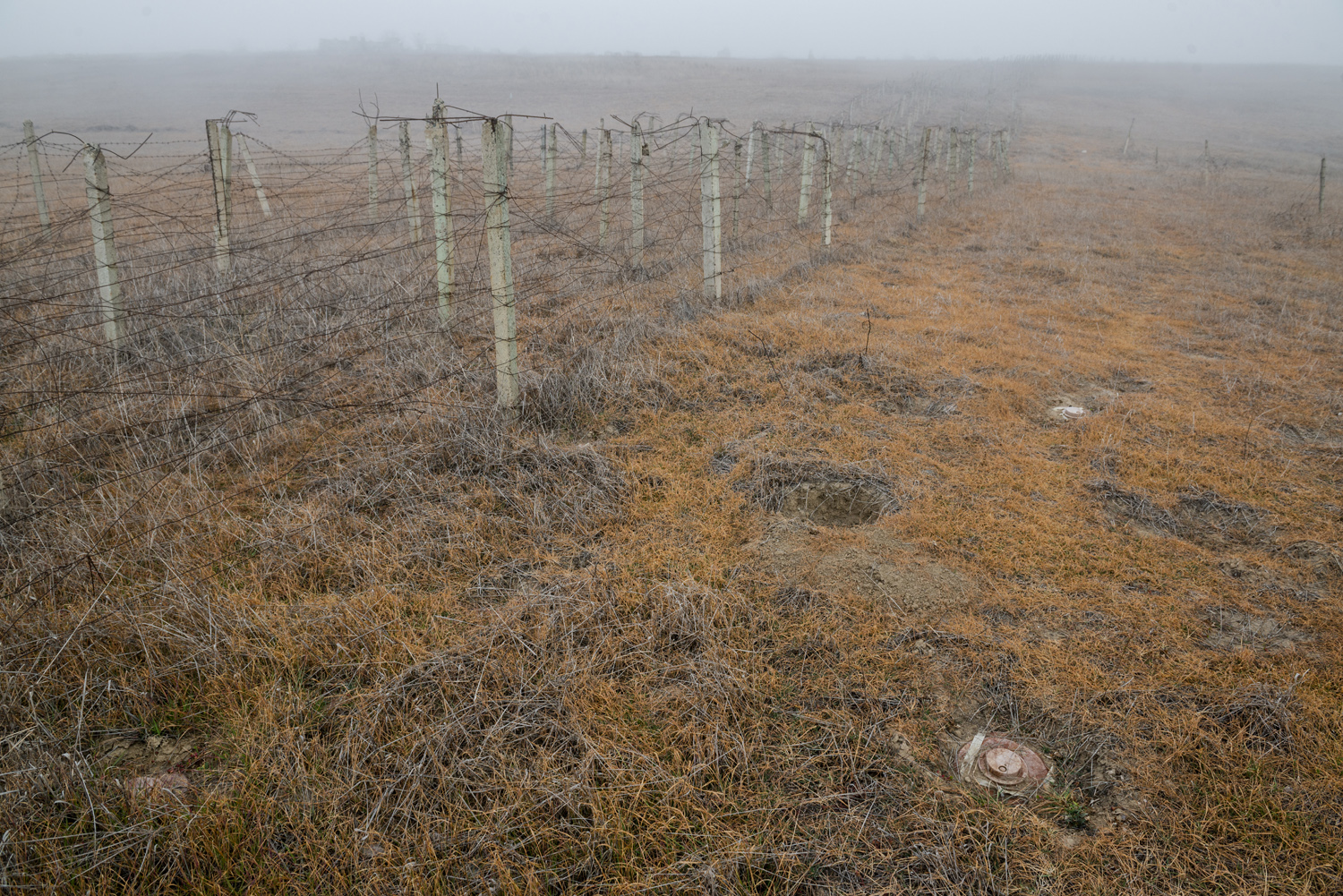 THE POST-WAR LANDMINE ISSUE IN KARABAKH
 OPPOSITION TO THE ONGOING PEACE PROCESS BETWEEN ARMENIA AND AZERBAIJAN
 THE SOLIDARITY AMONG TURKIC STATES TARGETED THROUGH TÜRKİYE-AZERBAIJAN RELATIONS
 A NEW TENSION EMERGING IN THE SOUTH CAUCASUS CONCERNING THE ISSUE OF RELIGIOUS REPRESENTATION
 DEVELOPMENTS IN POST-2020 KARABAKH WAR ARMENIA AND THEIR IMPLICATIONS - III: PRESIDENT A. SARKISSIAN: A WISE MAN OR AN OPPORTUNIST?
 DRAFT RESOLUTION ON “GENOCIDE” IN THE US SENATE
 NO PERMISSION TO SO-CALLED GENOCIDE MONUMENT ATTEMPTS IN SWEDEN