














Ratko Mladiç was convicted of orchestrating the largest massacre in Europe since World War II and known as the "Butcher of Bosnia" for his role in the 1990s Bosnian genocide. He died on August 27, 2026, at the age of 84, in a United Nations prison hospital in The Hague, Netherlands, while serving a life sentence for war crimes and crimes against humanity. The International Criminal Tribunal for the former Yugoslavia (ICTY) found Mladić guilty of war crimes and crimes against humanity committed during the conflicts of the 1990s, as well as the genocide carried out in and around Srebrenica in 1995. He had been convicted of genocide in 2017 for his role in the Srebrenica massacre, in which approximately 8,000 Bosniak Muslim men and boys were killed after he seized the UN-protected area.
Mladić's remains were brought to Belgrade last week on a Serbian state aircraft. His coffin, draped in national flags, was carried off the plane by uniformed soldiers. Thousands of people gathered in front of a church in Belgrade. Members of the armed forces stood guard over the coffin, which was adorned with his signature military cap and a sword; His medals were displayed at the front of the coffin. Following the ceremony, a procession accompanied the coffin to the cemetery, where he was laid to rest with military honors, including a salute volley.[1]
Various international media reports suggest that the funeral was not accorded the status of an official state ceremony to avoid damaging Serbia's international relations. However, the same reports also highlight the grandeur of the military ceremony and the attendance of large police and military delegations, emphasizing that the funeral resembled a state ceremony in every respect. It is noted that Serbian President Vučić did not attend, citing a prior engagement. However, his son Danilo, various Serbian ministers, and Russia's ambassador to Belgrade were present at the ceremony. Meanwhile, Serbian Orthodox Patriarch Porfirije stated during the funeral that "his name will leave a deep mark on the memories and prayers of the vast majority of our Serbian Orthodox people, who harbor and cherish a deep sense of gratitude toward him." Additionally, at a match in Belgrade around that time, football fans unfurled a giant poster of Mladić and chanted in his support. [2]
In response to a question regarding the funeral ceremony of Ratko Mladić, the Spokesperson for the Turkish Ministry of Foreign Affairs stated that it is unacceptable to exploit the funeral of an individual convicted by international courts of genocide, crimes against humanity, and war crimes in a manner that amounts to a denial of the grave crimes committed and the human suffering endured. The Spokesperson further noted that any attempt to reject judicial rulings concerning genocide or to glorify convicted perpetrators deepens the pain of victims and their families and undermines long-standing efforts to establish peace and reconciliation in the region. The Spokesperson also emphasized that the Balkans need a peaceful, prosperous, and shared future built on the necessary lessons of the past.[3]
In the meantime, Marta Kos, the European Union Commissioner for Enlargement, canceled a planned visit to Serbia. Kos stated on social media that “The pictures from Ratko Mladić’s funeral were very disturbing; they demonstrate the failure to face the past, and they contradict the values which represent the essence of European integration. It was particularly disturbing to see Serbian ministers, officials, representatives of the army, as well as leaders and politicians from the Republic of Srpska attending the funeral and paying tribute to the war criminal.” [4] An EU spokesperson declared that, "Acts such as the glorification of war criminals, genocide denial, and revisionism contradict fundamental European values; they have no place within the EU or in EU candidate countries."[5]
As the funeral ceremony demonstrated, it would be incorrect to say that Mladić is no longer a beloved figure among many Serbs. Last month, Serbian President Aleksandar Vučić argued that Mladić should be released early from the UN detention center in The Hague so that he could die on Serbian soil. Although Vučić has portrayed himself in recent years as a pro-EU, populist, and conservative leader, his political career actually began on the far-right wing of Serbian politics, specifically within the Serbian Radical Party (SRS). It is suggested that, as he cannot run for the presidency for another term, Vučić is preparing to run for prime minister in early elections. In this context, it is also possible to interpret the funeral ceremony in question as an indirect election campaign event.
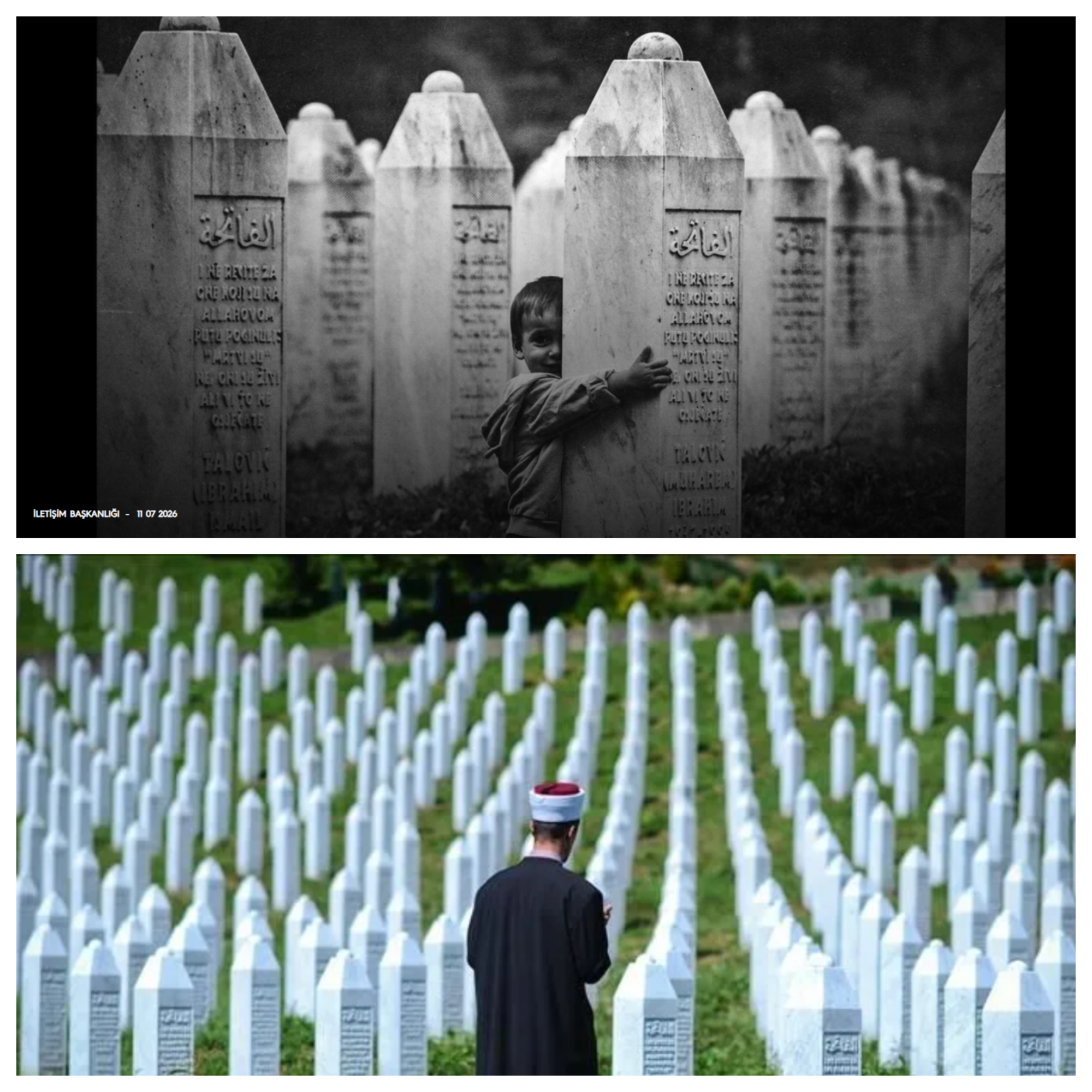
Thirty years have passed since the acts for which Ratko Mladić was convicted. Every year on July 11, commemoration ceremonies attended by thousands are held at the Potočari Memorial Cemetery in Bosnia and Herzegovina. People from all over the world, including Türkiye, come to share in the grief of the victims' families. At this year's 33rd commemoration ceremony, ten additional genocide victims, whose identities had recently been established, were laid to rest at the memorial site. [6]Despite the passage of 31 years, the pain of the genocide persists like an unhealed wound. The families of the Srebrenica genocide victims continue to grapple with the ongoing consequences of these crimes. It is a fact that the legacy of these crimes is not merely a matter of the past. Its lasting effects remain present today. In such a harrowing context, honoring those responsible for atrocities that have shaken the conscience of humanity, whether through the erection of permanent monuments or the holding of official ceremonies, undermines decades of international efforts aimed at ending impunity and securing justice for these crimes. Viewed in this light, it must be noted that the official funeral ceremony held in Belgrade for Ratko Mladic, while pleasing to some Serbs, will go down in history as an act that wounded the conscience of the international community and tarnished Serbia's international reputation.
It could also push back Serbia's probable accession date to the European Union for a rather long period, until both the government and its population learn to respect the basic principles of human rights and dignity.
*Picture: İletişim Başkanlığı ve Anadolu Agancy
[1] UN Human Rights Office of The High Commissioner. Press Release. UN experts outraged by funeral honours accorded to Ratko Mladić, former general convicted of Srebrenica genocide. 16 September 2026. https://www.ohchr.org/en/press-releases/2026/09/un-experts-outraged-funeral-honours-accorded-ratko-mladic-former-general
[2] The Guardian. Ratko Mladić, the ‘Butcher of Bosnia’, given hero’s funeral in Serbia. Ana Milosavljevic in Belgrade and Oliver Holme. 7 September 2026. https://www.theguardian.com/world/2026/sep/07/ratko-mladic-butcher-of-bosnia-funeral-belgrade-serbia ; BBC. Thousands turn out in Serbia for funeral of 'Butcher of Bosnia' Ratko Mladic. By Gabriela Pomeroy. 7 September 2026. https://www.bbc.com/news/articles/cn5dkk7yw74o ; Sky News. Thousands gather for funeral of 'Butcher of Bosnia' Ratko Mladic.7 September 2026. https://news.sky.com/story/thousands-gather-for-funeral-of-butcher-of-bosnia-ratko-mladic-13582813
[3] Turkish Ministry of Foreign Affairs. QA-15, 8 September 2026, Statement of the Spokesperson of the Ministry of Foreign Affairs, Öncü Keçeli, in Response to a Question Regarding the Funeral of Ratko Mladić. https://www.mfa.gov.tr/sc_-15_-disisleri-bakanligi-sozcusu-oncu-keceli-nin-ratko-mladic-in-cenaze-toreni-hk-sc.en.mfa
[4] European Western Balkans. “Pictures from Mladić’s funeral demonstrate that Serbia has failed to face the past. ” 15.09.2026. https://europeanwesternbalkans.com/2026/09/15/pictures-from-mladics-funeral-demonstrate-that-serbia-has-failed-to-face-the-past/
[5] POLITICO. Ratko Mladić funeral exposes gap between Serbia’s EU ambitions and political reality. By Una Hajdar. September 2, 2026. https://www.politico.eu/article/ratko-mladic-funeral-serbia-eu-ambitions-political-reality/
[6] Anadolu Ajansı. Srebrenitsa soykırımının 31. yıl anma törenlerinde 10 soykırım kurbanı toprağa verilecek, Vesna Besic, İsmail Özdemir, 01 Temmuz 2026. https://www.aa.com.tr/tr/dunya/srebrenitsa-soykiriminin-31-yil-anma-torenlerinde-10-soykirim-kurbani-topraga-verilecek/3983489
© 2009-2025 Center for Eurasian Studies (AVİM) All Rights Reserved
No comments yet.
-
 ARMENIA, EU AND A NEW FRAMEWORK FOR ECONOMIC ASSISTANCE
Teoman Ertuğrul TULUN 27.07.2018 -
 DENMARK’S MIGRATION DISCOURSE AND THE RISK OF ANTI-ISLAM POLITICAL GENERALIZATION
Teoman Ertuğrul TULUN 16.09.2026 -
 A BRIEF ANALYSIS OF THE PRESENT-DAY IMPLICATIONS OF THE COLLAPSE OF ARMENIAN GENOCIDE CLAIMS WITHIN THE FRAME OF THE RULES-BASED INTERNATIONAL ORDER
Teoman Ertuğrul TULUN 27.03.2026 -
 VISIT OF SWEDISH MEMBER OF THE EUROPEAN PARLIAMENT TO KARABAKH: FORGOTTEN MISERY OF AZERBAIJANIS
Teoman Ertuğrul TULUN 15.02.2018 -
 RELIGIOUS ASSIMILATION POLICIES IN GREECE: PRESSURE ON TURKISH MUFTIS AS A CONTINUATION OF MINORITY RIGHTS VIOLATIONS
Teoman Ertuğrul TULUN 21.08.2025
-
 THE ASSASINATION OF TALAT PASHA
AVİM 15.03.2015 -
 A VISIT FROM THE EUROPEAN PARLIAMENT TO THE SO-CALLED STATE IN NAGORNO – KARABAKH UNDER OCCUPATION
Hazel ÇAĞAN ELBİR 23.10.2018 -
 TRIPOLITSA: SELECTIVE MEMORY AND THE DESTRUCTION OF THE MUSLIM TURKISH MOREA
Teoman Ertuğrul TULUN 24.09.2026 -
 EU’S APPROACH TO AZERBAIJAN AND ARMENIA: REALPOLITIK OR DOUBLE STANDARDS?
Ali Murat TAŞKENT 10.03.2016 -
SARKOZY IS IN ARMENIA I
Ömer Engin LÜTEM 15.10.2011
-
25.01.2016
THE ARMENIAN QUESTION - BASIC KNOWLEDGE AND DOCUMENTATION -
12.06.2024
THE TRUTH WILL OUT -
27.03.2023
RADİKAL ERMENİ UNSURLARCA GERÇEKLEŞTİRİLEN MEZALİMLER VE VANDALİZM -
17.03.2023
PATRIOTISM PERVERTED -
23.02.2023
MEN ARE LIKE THAT -
03.02.2023
BAKÜ-TİFLİS-CEYHAN BORU HATTININ YAŞANAN TARİHİ -
16.12.2022
INTERNATIONAL SCHOLARS ON THE EVENTS OF 1915 -
07.12.2022
FAKE PHOTOS AND THE ARMENIAN PROPAGANDA -
07.12.2022
ERMENİ PROPAGANDASI VE SAHTE RESİMLER -
01.01.2022
A Letter From Japan - Strategically Mum: The Silence of the Armenians -
01.01.2022
Japonya'dan Bir Mektup - Stratejik Suskunluk: Ermenilerin Sessizliği -
03.06.2020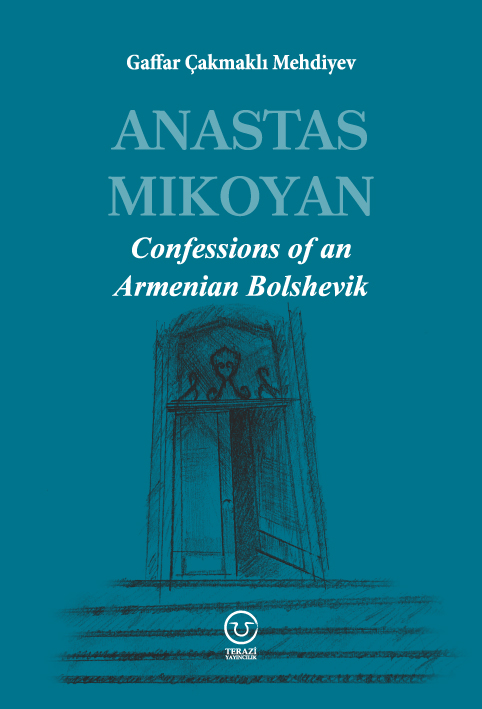
Anastas Mikoyan: Confessions of an Armenian Bolshevik -
08.04.2020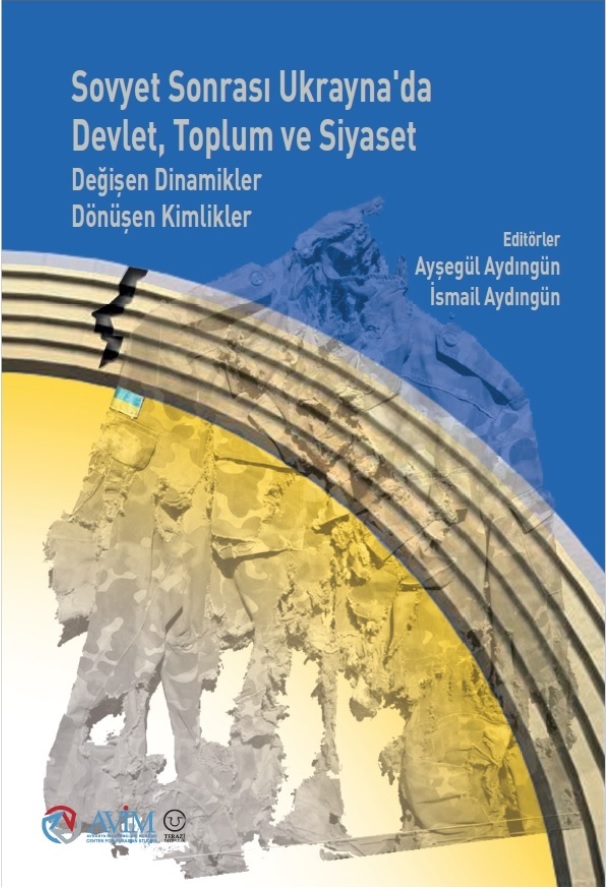
Sovyet Sonrası Ukrayna’da Devlet, Toplum ve Siyaset - Değişen Dinamikler, Dönüşen Kimlikler -
12.06.2018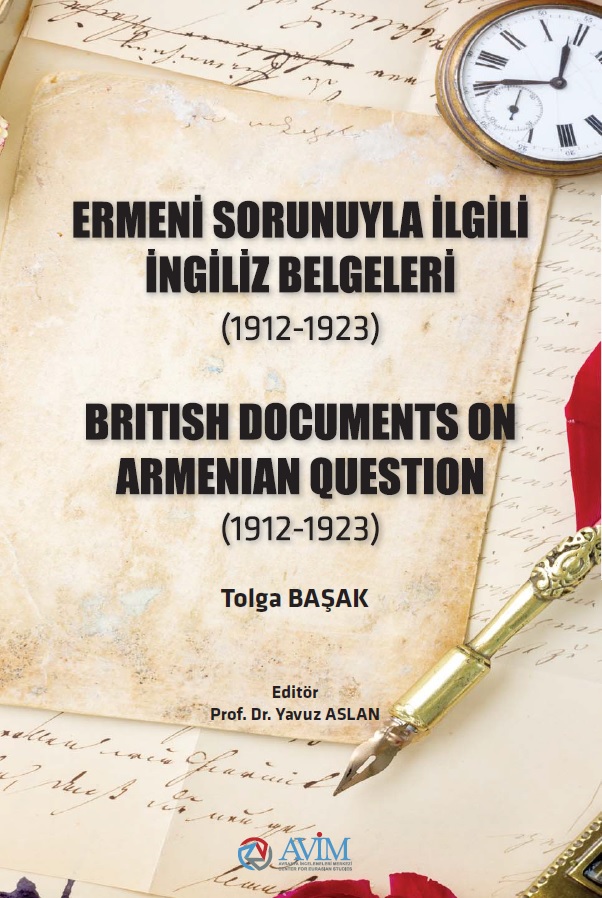
Ermeni Sorunuyla İlgili İngiliz Belgeleri (1912-1923) - British Documents on Armenian Question (1912-1923) -
02.12.2016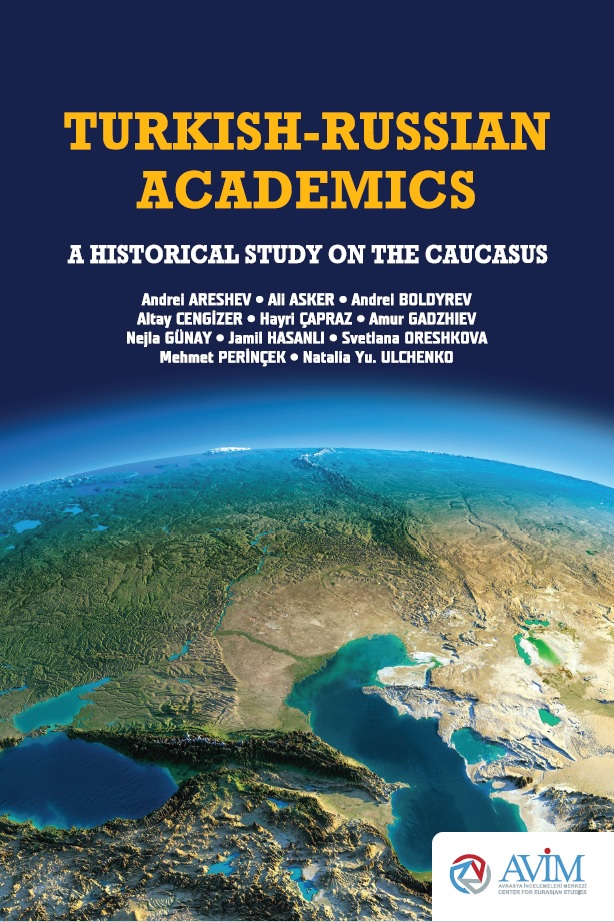
Turkish-Russian Academics: A Historical Study on the Caucasus -
01.07.2016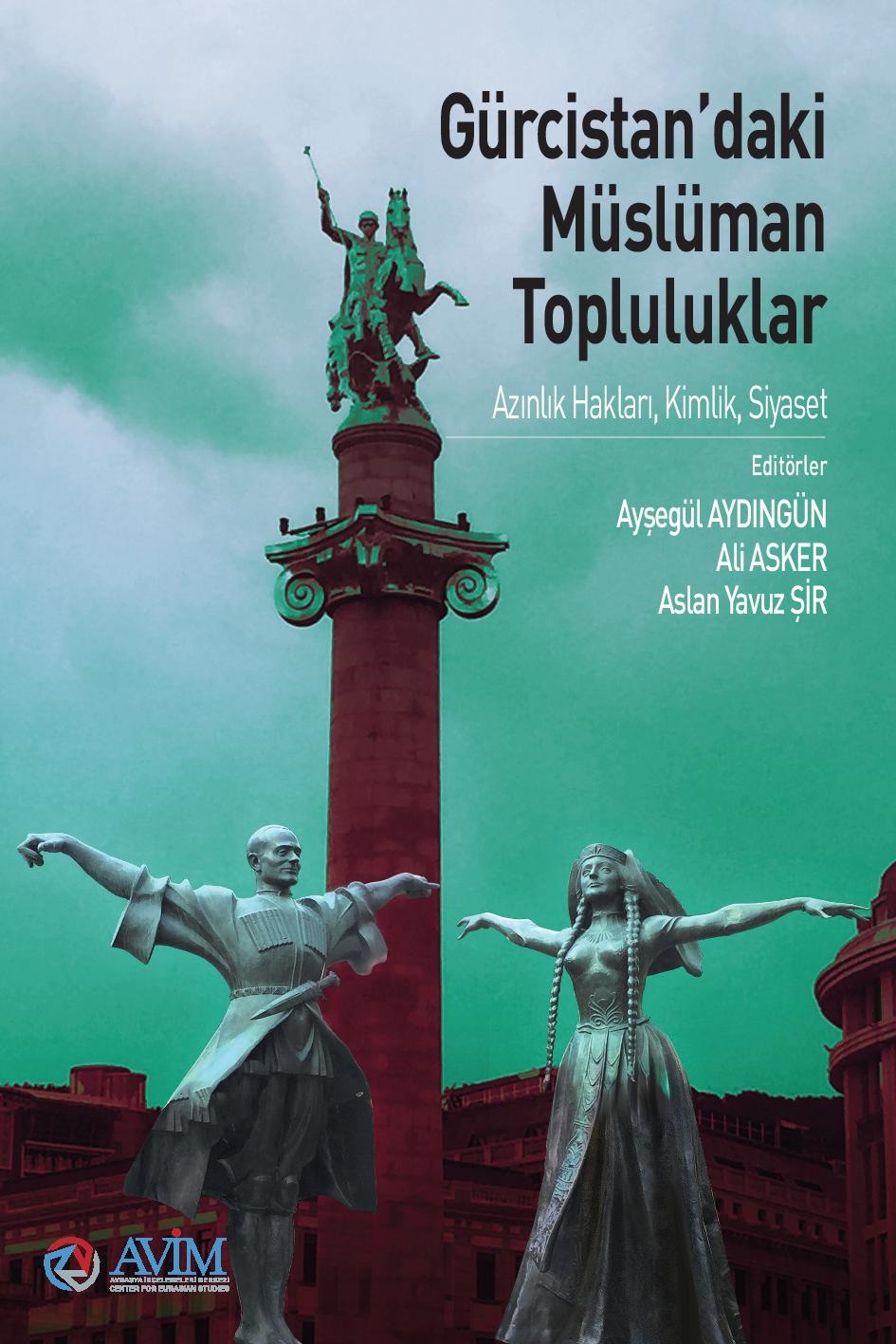
Gürcistan'daki Müslüman Topluluklar: Azınlık Hakları, Kimlik, Siyaset -
10.03.2016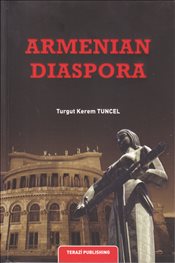
Armenian Diaspora: Diaspora, State and the Imagination of the Republic of Armenia -
24.01.2016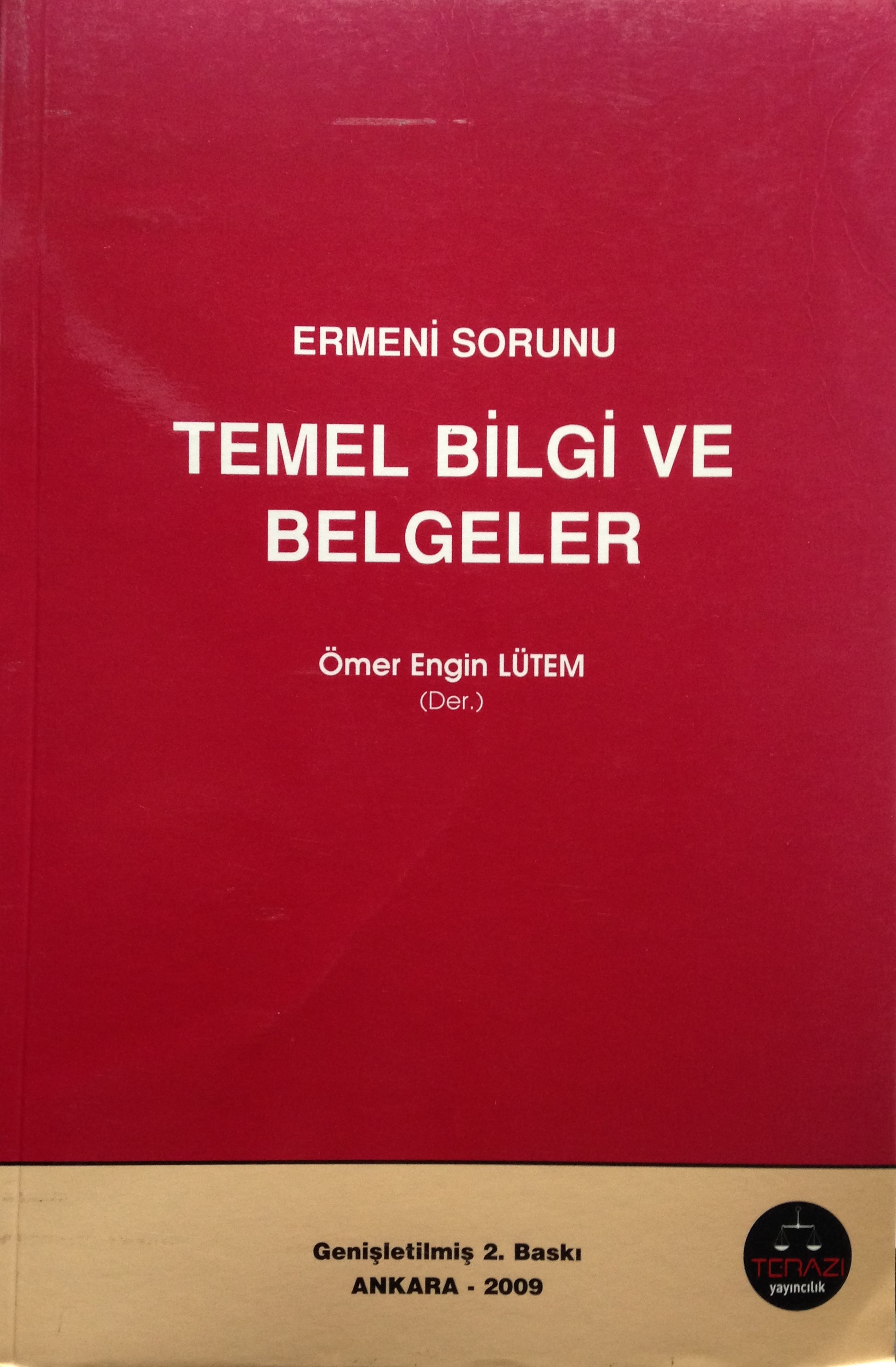
ERMENİ SORUNU - TEMEL BİLGİ VE BELGELER (2. BASKI)
-
AVİM Conference Hall 24.01.2023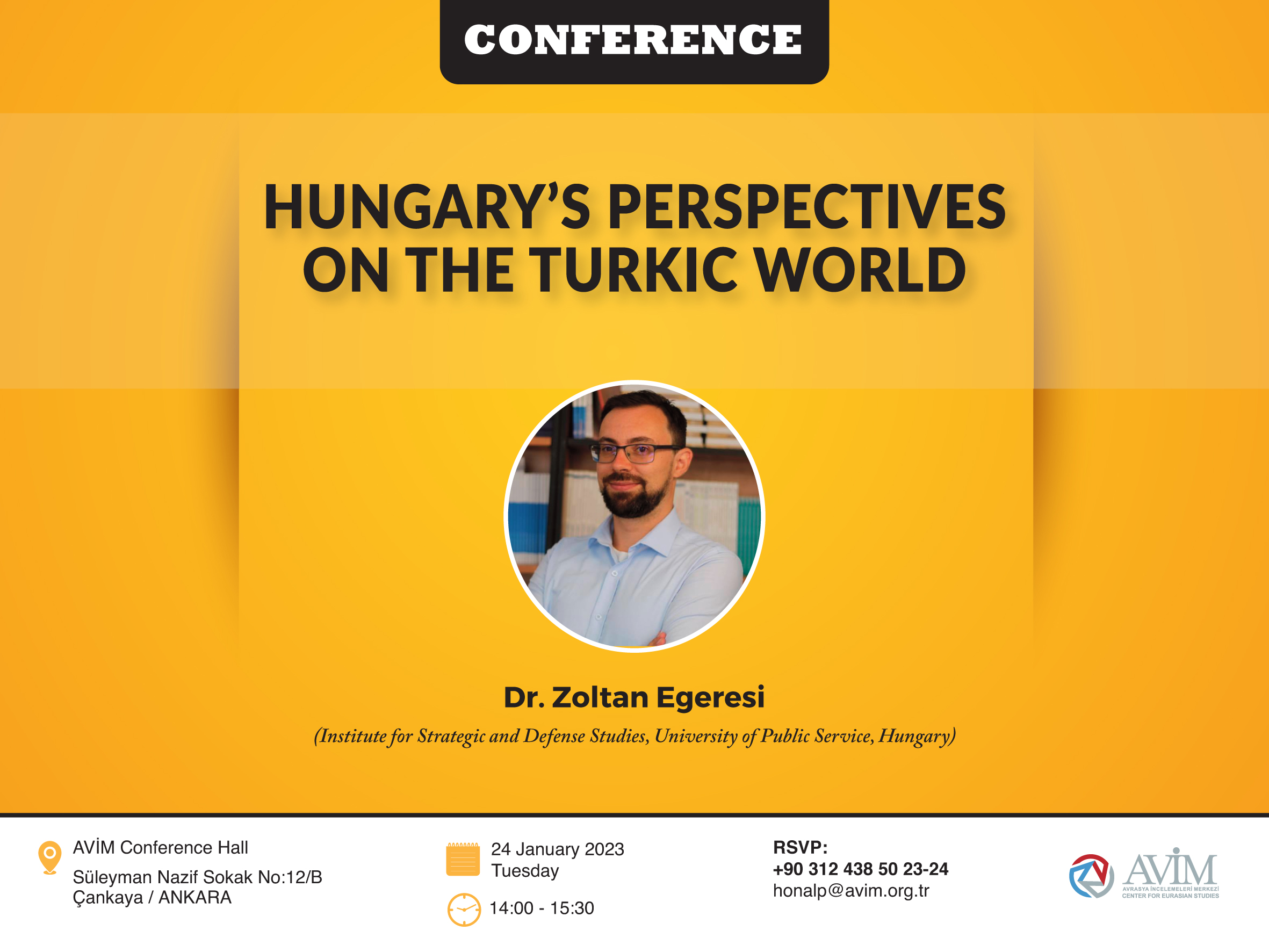
CONFERENCE TITLED “HUNGARY’S PERSPECTIVES ON THE TURKIC WORLD"