This is the English translation of a Turkish language article that was originally published by AVİM on 21 July 2026.
The ongoing peace process between Armenia and Azerbaijan is closer to a conclusion today than ever before. As recently stated by Azerbaijani Foreign Minister Jeyhun Bayramov, de facto peace between the countries has essentially been achieved.[1] Most of the issues the parties have meticulously focused on since the beginning of the process have been realized, and a memorandum of understanding, which will mark its first anniversary in the coming weeks, has even been signed. Regional prosperity has increased thanks to these developments, and economic relations between neighbors have flourished through trade liberalization. However, the issue of constitutional amendment, the final prerequisite for signing the treaty, remains the element that has seen the least progress since the process began.
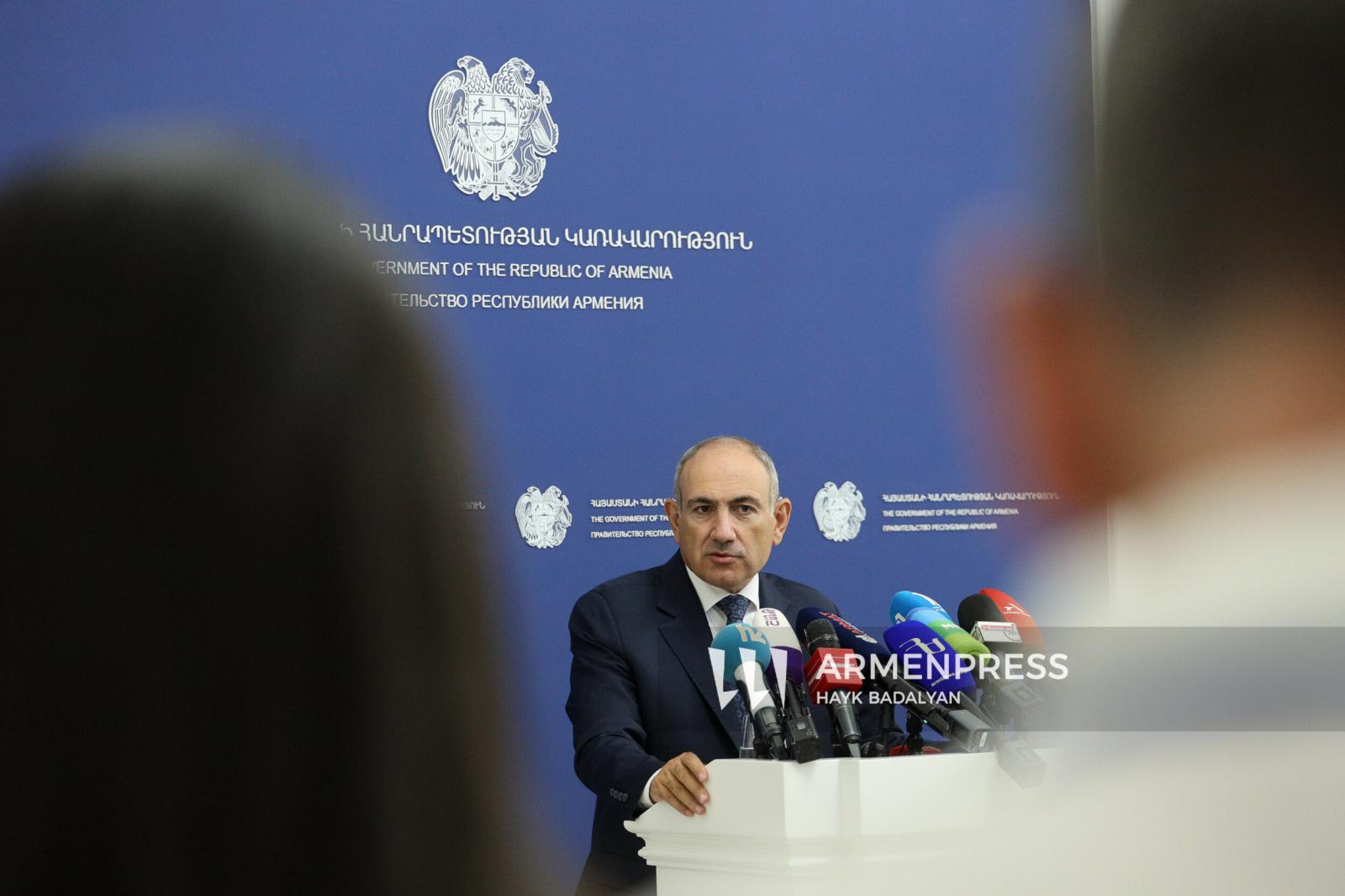
Armenian Prime Minister Nikol Pashinyan’s electoral victory on 7 June, in addition to the failure to secure the necessary majority for a new constitution, has been a main aspect in the South Caucasus' agenda in recent weeks. The removal of the reference to Armenia’s Declaration of Independence, which contains claims against Azerbaijan’s internationally recognized legitimate territory, is a key point that Pashinyan himself has acknowledged and pledged to address in his statements regarding the constitution. Yet, no concrete steps have been taken on this matter. Although the preparation of a new constitution has been announced, the draft has so far not been released. The constitutional amendment process, legally a highly contentious issue, has evolved into a situation where political considerations are taking precedence over the law and legal mechanisms are being circumvented. Consequently, the conclusion of the peace treaty process has been delayed. In the absence of other concrete data for assessment, official statements on the matter are also neither satisfying nor convincing.
In a recent statement, Pashinyan declared that a new constitution was an election pledge and that his administration remains committed to this goal.[2] It is important to note that amending the constitution and drafting a new one are two distinct processes. Azerbaijan’s condition for a peace treaty has never been for a new constitution. The only objective has been the removal of the reference to the Declaration, which asserts claims over legitimate territories, from the existing document. Any concerns Pashinyan or the citizens may have regarding the Armenian Constitution, or any perceived need for a new one, constitute a separate matter entirely. In other words, it is independent of the peace treaty process and pertains strictly to Armenia's internal affairs. The removal of the reference to the Declaration of Independence is the outcome of a demand by Azerbaijan based on international law, a process that concerns Armenia and can be resolved through its domestic legal system. It bears repeating that the specific method of implementation within domestic law (whether through a new constitution or a constitutional amendment) is a matter that concerns Armenia alone.
Instead of amending the constitution's preamble, Pashinyan continues to make promises regarding a new constitution, a move that is legally more complex and unachievable given Armenia’s current parliamentary seat distribution, thereby focusing on issues that are strictly internal. He conflates Armenia's obligations arising from international law, neighborly relations, and the memorandum text with the country's internal affairs. As such, legal solutions are being overshadowed by political considerations, and the peace treaty process, which relies on mutual trust, is being disregarded.
Ultimately, the permanence of the victory Pashinyan has secured is directly linked to ensuring peace, prosperity, and stability in the region. The victory secured in the 7 June elections stands as a major indicator of the improvement in the region and, consequently, of the will to bring the peace treaty process to a positive conclusion. If Pashinyan lacks the legal conditions to draft a new constitution under current circumstances, he could instead achieve the removal of the reference to the Declaration, which he has repeatedly promised, through alternative means. This outcome would not only formally eliminate territorial claims recognized under international law, but also fulfill the requirements of the "Real Armenia" ideal, a vision championed by Pashinyan and supported by the citizens of Armenia. Therefore, removing the reference to the Declaration of Independence stands out as the most critical and urgent reform to be undertaken during Pashinyan’s new term in office.
*Image: ArmenPress
© 2009-2025 Center for Eurasian Studies (AVİM) All Rights Reserved
















 THE ORGANIZATION OF TURKIC STATES AND THE CLAIMS OF TURANISM AND PANTURKISM
 TENSIONS IN ARMENIA BETWEEN THE CHURCH ADMINISTRATION AND THE GOVERNMENT OVER SECULARISM
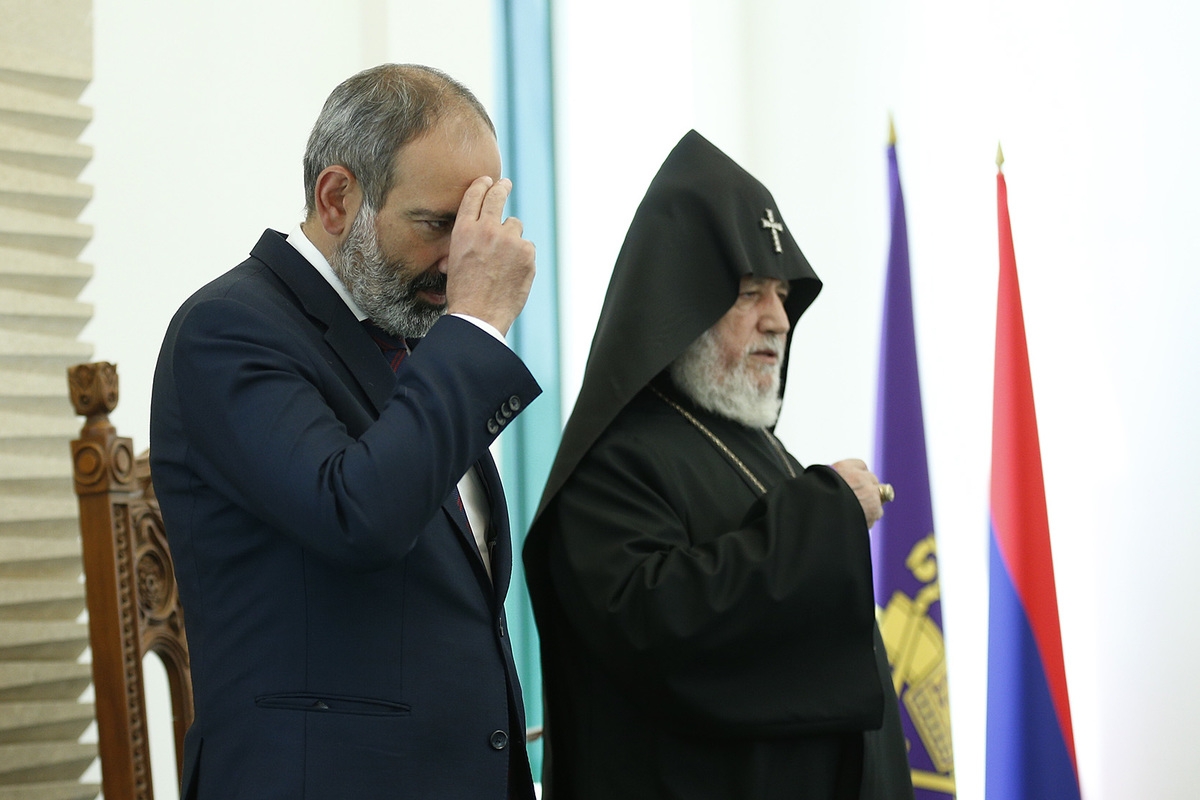 THE CHURCH'S POLITICAL OPPOSITION IN ARMENIA AND THE DIFFERENCES OF OPINION IT CREATES IN THE DIASPORA
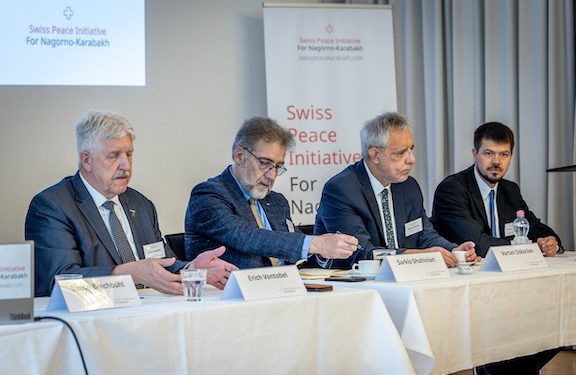 SWITZERLAND'S BIASED STANCE AND ITS HARMFUL EFFECTS ON PEACE EFFORTS - 2
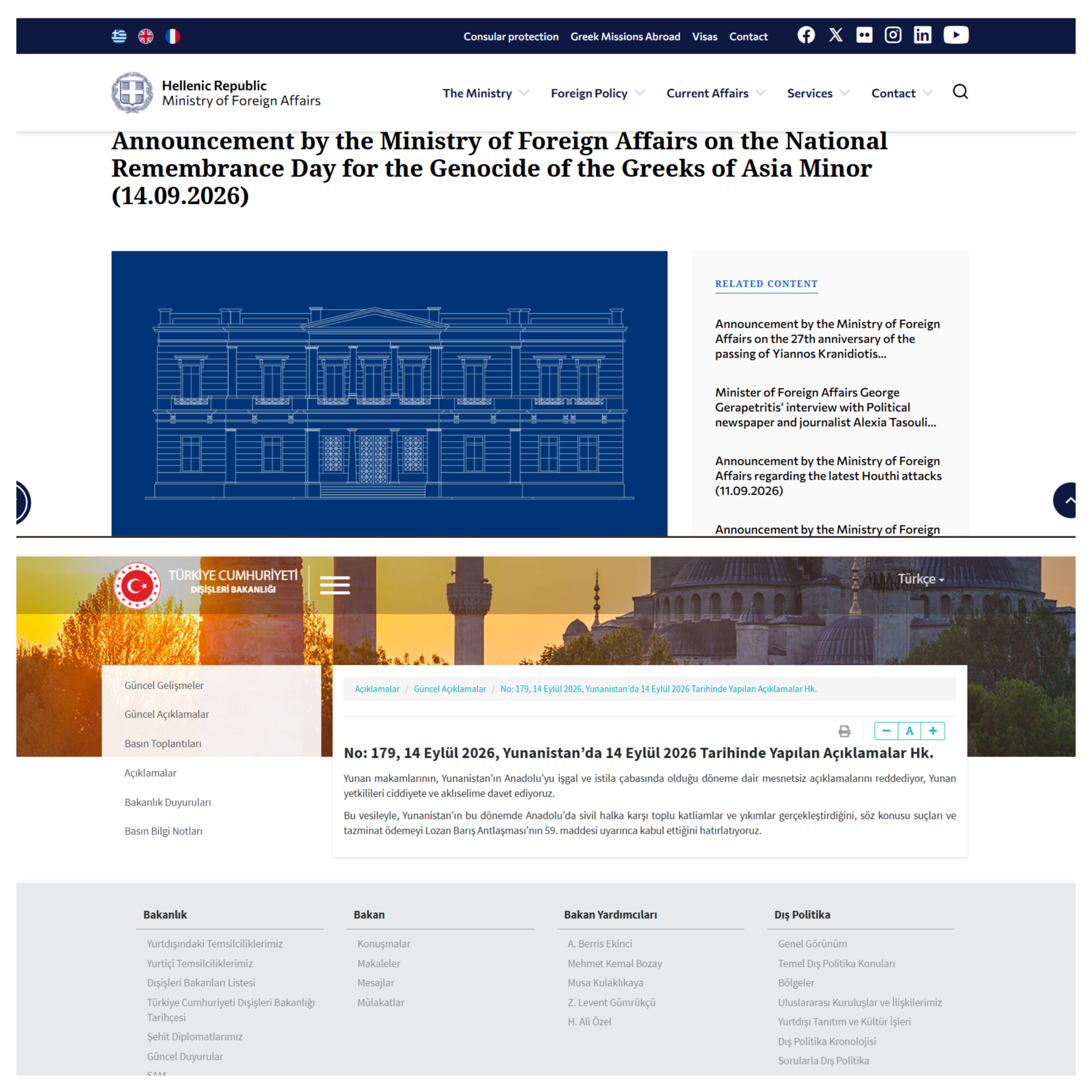 HISTORICAL MEMORY, LEGAL PRECISION, AND SELECTIVE NARRATIVES: GREECE’S 14 SEPTEMBER DECLARATION
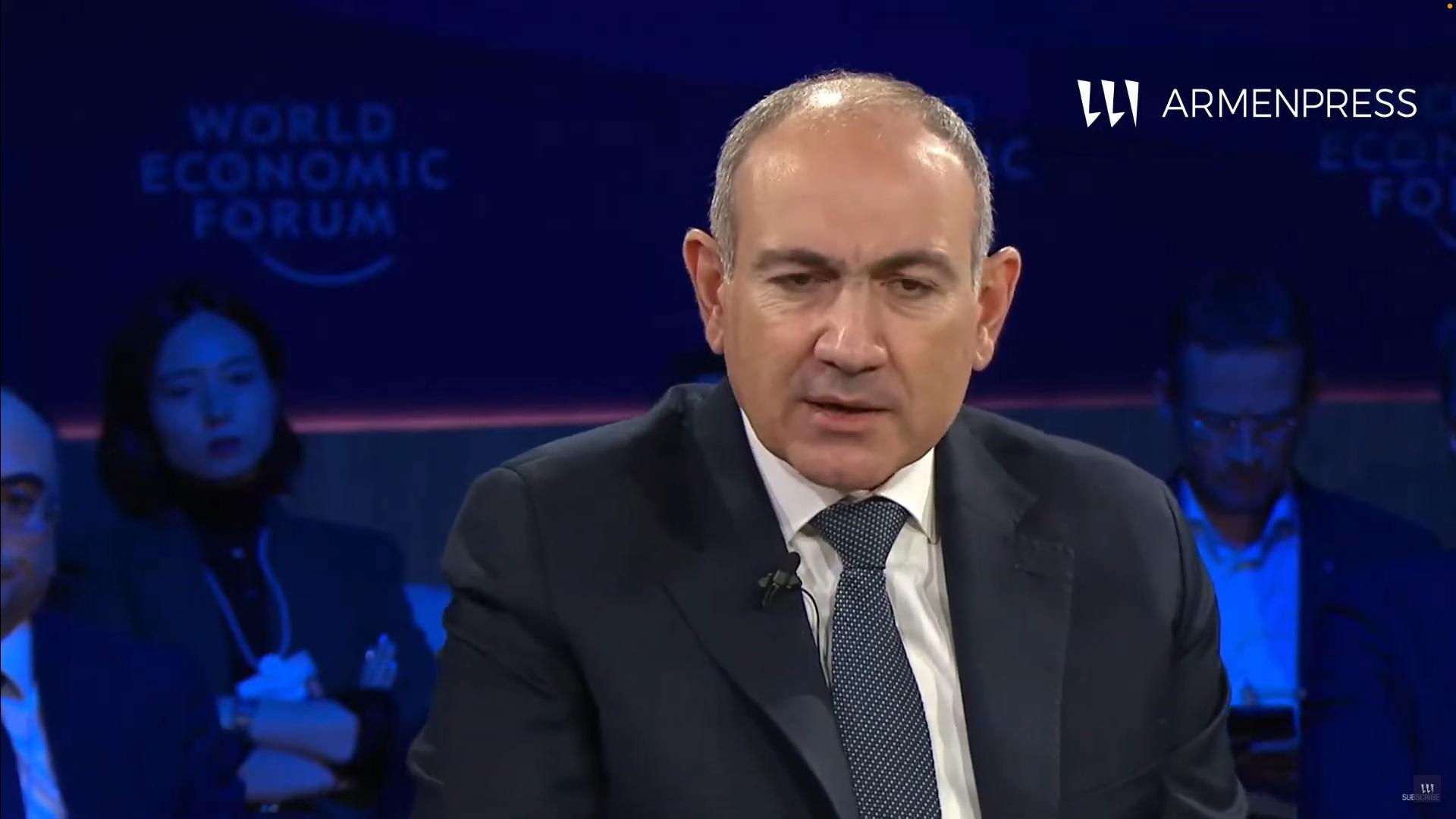 PASHINYAN’S SHIFTING STATEMENTS