














This is the English translation of a Turkish language article that was originally published by AVİM on 22 September 2026.
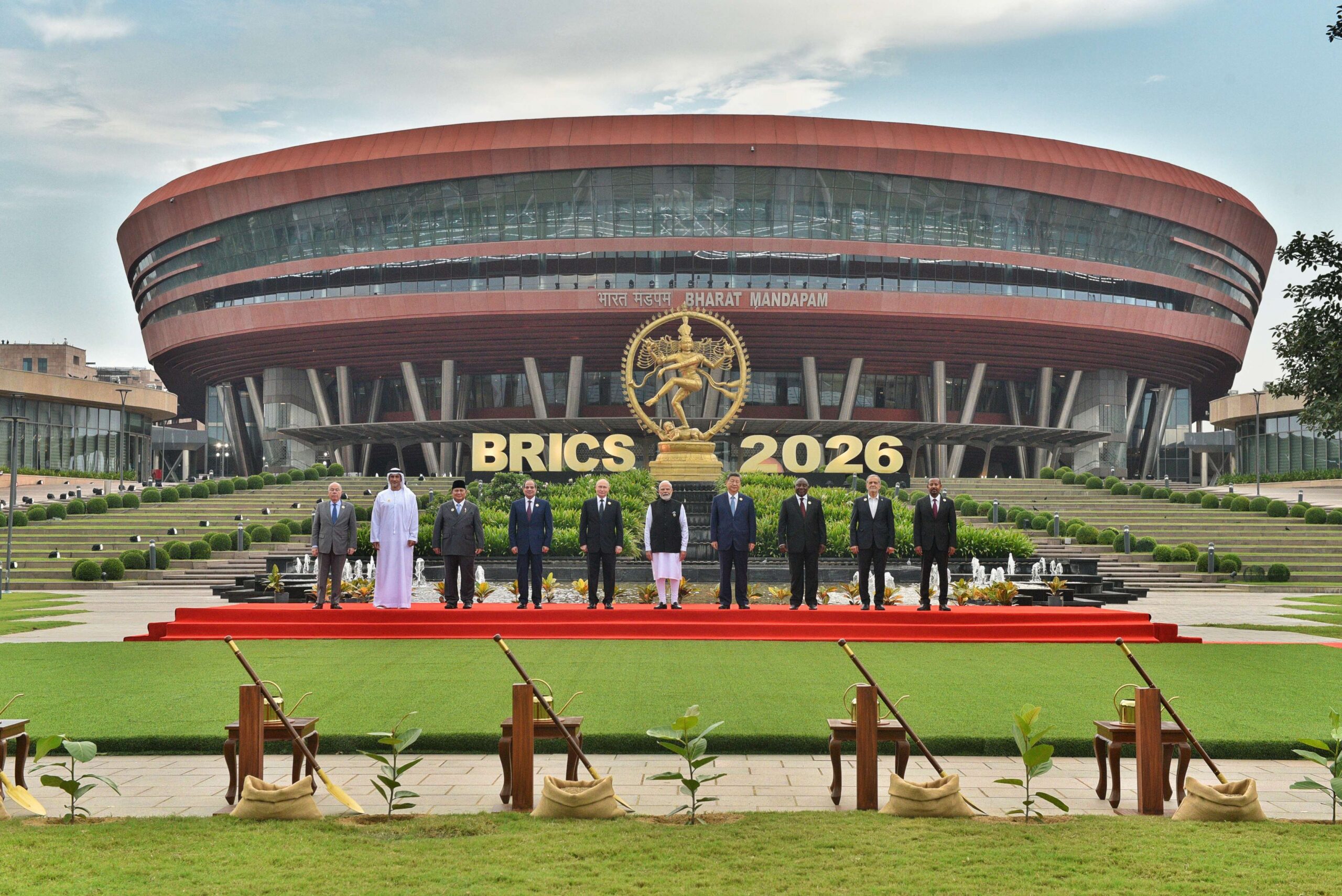
The BRICS Summit, chaired by India for its fourth term, was held in the capital city of New Delhi on September 12-13, 2026. Organized under the theme of "Building for Resilience, Innovation, Cooperation, and Sustainability," the summit concluded with the adoption of the New Delhi Declaration. The 140-article declaration addressed numerous key topics, including global governance reform, economic and financial cooperation, international peace and security, trade in local currencies, cross-border payment systems, artificial intelligence, healthcare, and energy.
The 2026 Summit stood out as one of the major meetings held following the expansion BRICS has undergone in recent years. Following the expansion decision taken at the 2023 Johannesburg Summit, Egypt, Ethiopia, Iran, Saudi Arabia, and the United Arab Emirates joined the group, and with Indonesia’s membership becoming official in 2025, the number of BRICS members rose to 11. In addition, Belarus, Bolivia, Cuba, Kazakhstan, Malaysia, Nigeria, Thailand, Uganda, Uzbekistan, and Vietnam have been participating in BRICS activities as partner countries since last year.[1] Thus, the New Delhi Summit took place in an environment where a much broader group of countries came together under the same roof, expanding far beyond the original BRICS structure initially formed by Brazil, Russia, India, China, and South Africa.
The remarkable aspect of the summit was not just the economic scale or the number of members BRICS has reached. At the summit, countries with differing foreign policy priorities and approaches to international developments managed to agree on a joint declaration. While the tension between BRICS members China and India immediately comes to mind, it is also well known that Iran, Saudi Arabia, and the United Arab Emirates pursue different policies regarding regional issues in the Middle East. Furthermore, while Russia's relations with Western nations are strained due to war and sanctions, countries like India, the United Arab Emirates, and several other members continue to maintain their economic and political ties with the US and European nations. Despite these differences, these countries were able to find common ground on a 140-article text.
With the expanding structure of BRICS, the inclusion of countries with diverse political, economic, and security priorities within the same platform makes it difficult for members to share the exact same perspective on international issues. The New Delhi Declaration also reflects the absence of such a uniform consensus. The declaration emphasized that the differing national positions of countries must be respected, and that international disputes should be resolved through dialogue, consultation, and diplomacy.[2] Consequently, we see that cooperation within BRICS progresses by identifying specific areas of agreement among countries that otherwise hold contrasting views.
The New Delhi Declaration also demonstrated the specific areas where BRICS countries can act jointly despite their political differences. It emphasized the development of joint efforts in fields such as economic and financial cooperation, trade, cross-border payment systems, artificial intelligence, energy, healthcare, and supply chains. Within this framework, increasing trade in local currencies, making cross-border payment systems more compatible, and strengthening the representation of developing nations in the global financial system stood out as key highlights. Enhancing the New Development Bank’s (NDB) financing capacity in local currencies is also part of this approach. However, no decision was made at the summit to create a common BRICS currency; instead, the focus remained on developing financial cooperation through local currencies and alternative payment mechanisms. In the field of artificial intelligence, increasing collaborative projects and strengthening the technological capacity of developing countries were brought to the forefront.[3]
Although BRICS is often brought to the agenda as an alternative to the West-centric international order, the New Delhi Summit has demonstrated that the platform encompasses diverse economic and political relations within the same structure that cannot be viewed solely through this lens. Since its inception, BRICS has aimed to increase the weight of developing nations in the global economic and political system. However, today the platform also includes countries that maintain their economic, political, and security relations with the US and European nations. India’s continued defense and technology cooperation with the US and its participation in the QUAD, Brazil’s ongoing economic relations with the US and the European Union, and Indonesia’s trade relations with the US and Europe alongside its BRICS membership show that BRICS members can take part in the platform without severing their ties with the West.
These differences were also reflected in the statements made by the leaders during the summit. Prime Minister of India Narendra Modi emphasized that instead of positioning itself against any particular country, BRICS should progress with a spirit of consensus that does not exclude relationships with other nations.[4]President of Russia Vladimir Putin drew attention to BRICS’ weight in the global economy, comparing this capacity to the G7 and highlighting the advancement of economic cooperation.[5] President of China Xi Jinping stated that BRICS should assume a more active role in international security matters, calling for the establishment of a new security architecture in the Middle East.[6] Meanwhile, President of Iran Masoud Pezeshkian brought up the attacks targeting Iran by the US and Israel, calling for BRICS to play a more effective role in protecting national sovereignty and the principle of non-use of force.[7] Following these statements, the New Delhi Declaration was shaped around headings where members could find common ground despite their differences.
The New Delhi Declaration allocated significant coverage to the Gaza and Palestine issue, supporting the maintenance of the ceasefire in Gaza, the delivery of humanitarian aid, and the establishment of an independent Palestinian state based on a two-state solution. Alongside calls regarding Israel’s military presence in Lebanon, developments in Syria, Sudan, and Cuba were also included. Conversely, the Ukraine War was not directly mentioned in the declaration.[8] While the 2025 Rio de Janeiro Declaration noted that countries held their own national positions regarding the conflict in Ukraine,[9] the New Delhi Declaration did not address Ukraine, Russia’s war in Ukraine, or the sanctions related to this war under a separate heading. A similar situation was observed regarding Iran. Although the war between the US/Israel and Iran was ongoing during the summit, the declaration addressed the tensions in the Middle East in general terms and called on all parties to exercise “maximum restraint”. Furthermore, concern was expressed over attacks targeting civilian infrastructure and nuclear facilities under the supervision of the International Atomic Energy Agency (IAEA); however, neither the US nor Iran was directly named.[10]
When looking at BRICS’ role in the international system from a broader perspective, it is becoming a platform where Global South countries can voice their demands for a greater say in international institutions. This is also demonstrated by the reiteration of calls in the New Delhi Declaration to increase the representation of developing countries in the United Nations, the IMF, the World Bank, and other international organizations.[11]The fundamental demand here is not the creation of new institutions to replace the existing ones, but rather that current institutions better reflect the growing economic and political weight of developing nations.
Consequently, the picture presented by BRICS points to an international order where multifaceted relationships have gained greater importance over rigid, absolute alliances. While countries maintain certain security and economic partnerships on the one hand, they are able to develop new forms of cooperation on various platforms on the other. In this context, BRICS is becoming one of the key platforms of this multilateral network of relations.
From Türkiye’s perspective, although it is not yet a partner country within BRICS, the expanding structure of the platform and Türkiye’s relations with various economic and political platforms necessitate that Ankara closely monitor this formation. Economically prominent highlights include strengthening trade and transport connections between Asia and Europe, the role Türkiye can assume via the Middle Corridor, and developing connectivity between China's Belt and Road Initiative (BRI) and Europe. The cooperation mechanisms that BRICS seeks to develop in trade, transportation, energy, and finance intersect with Türkiye’s strategic position in these fields. Türkiye’s relations in the realm of regional security can also be evaluated alongside this multifaceted structure. Under the Makkah Agreement for Joint Defence signed between Türkiye, Pakistan, and Saudi Arabia, the first meeting of the Strategic Political and Defence Committee was held in Istanbul on August 31, 2026, marking concrete steps toward institutionalizing defense cooperation among the three nations.[12] Türkiye's development of economic, political, and security relations across different regional and international platforms aligns with BRICS’ approach, which does not exclude relationships with other actors. In this regard, the importance of BRICS for Türkiye should not be considered solely through the lens of a potential membership. The relations Türkiye has cultivated with Asia, Europe, the Middle East, and the Turkic world enable it to take part in different economic and political platforms simultaneously. As one of these platforms, BRICS could hold significant importance for Türkiye, particularly regarding its relations in trade, energy, transportation, and finance. Similarly, the role Türkiye can play in bridging the Middle Corridor and the Belt and Road Initiative may unlock new opportunities for enhancing economic relations with BRICS nations.
Therefore, the 2026 New Delhi Summit has demonstrated that BRICS is a cooperation platform where diverse interests coexist, rather than a bloc united under a single political line. The future weight of BRICS will largely depend on how these differences are managed. While the expanding member structure brings differences that complicate joint action, it simultaneously creates a broader sphere of economic and political influence. For this reason, the new structure generated by BRICS does not require members to think alike on all issues, but rather enables them to act together in specific areas while maintaining their differences. The New Delhi Summit will be significant in demonstrating that the key element determining BRICS' position in the international system is how effectively this common ground can produce tangible results.
*Picture: BRICS India 2026
[1] “About Us,” BRICS India 2026, https://www.brics2026.gov.in/about-us/
[2] “BRICS New Delhi Declaration: Building for Resilience, Innovation, Cooperation and Sustainability,” Prime Minister’s Office, Government of India, September 12, 2026, https://www.pmindia.gov.in/en/news_updates/brics-new-delhi-declaration-building-for-resilience-innovation-cooperation-and-sustainability-september-12-2026/
[3] “BRICS New Delhi Declaration,” Prime Minister’s Office, Government of India, September 12, 2026.
[4] “PM chaired the BRICS session on ‘Inclusive Global Governance and Strengthening Multilateralism’,” Prime Minister’s Office, Government of India, September 12, 2026, https://www.pmindia.gov.in/en/news_updates/pm-chaired-the-brics-session-on-inclusive-global-governance-and-strengthening-multilateralism-september-12-2026/
[5] “BRICS Business Forum,” President of Russia, Kremlin, September 11, 2026, http://en.kremlin.ru/events/president/news/80737
[6] “Full text of Chinese President Xi Jinping's speech at Session I of the 18th BRICS Summit,” Government of the People’s Republic of China, September 13, 2026, https://english.www.gov.cn/news/202609/13/content_WS6aa6203ac6d00ca5f9a0d2b0.html
[7] Rania Abushamala, “Iranian president urges BRICS to establish permanent secretariat, resist unilateral sanctions,” Anadolu Agency, September 12, 2026, https://www.aa.com.tr/en/world/iranian-president-urges-brics-to-establish-permanent-secretariat-resist-unilateral-sanctions/4055120
[8] “BRICS New Delhi Declaration,” Prime Minister’s Office, Government of India, September 12, 2026.
[9] “Rio de Janeiro Declaration,” BRICS Brazil 2025, July 6, 2025, https://brics.br/en/documents/presidency-documents/250705-brics-leaders-declaration-en.pdf
[10] “BRICS New Delhi Declaration,” Prime Minister’s Office, Government of India, September 12, 2026.
[11] “BRICS New Delhi Declaration,” Prime Minister’s Office, Government of India, September 12, 2026.
[12] “Strategic Political and Defence Committee of the Makkah Agreement for Joint Defence, Joint Statement, 31 August 2026,” Republic of Türkiye Ministry of Foreign Affairs, August 31, 2026, https://www.mfa.gov.tr/strategic-political-and-defence-committee-of-the-makkah-agreement-for-joint-defence--joint-statement--31-august-2026.en.mfa
© 2009-2025 Center for Eurasian Studies (AVİM) All Rights Reserved
No comments yet.
-
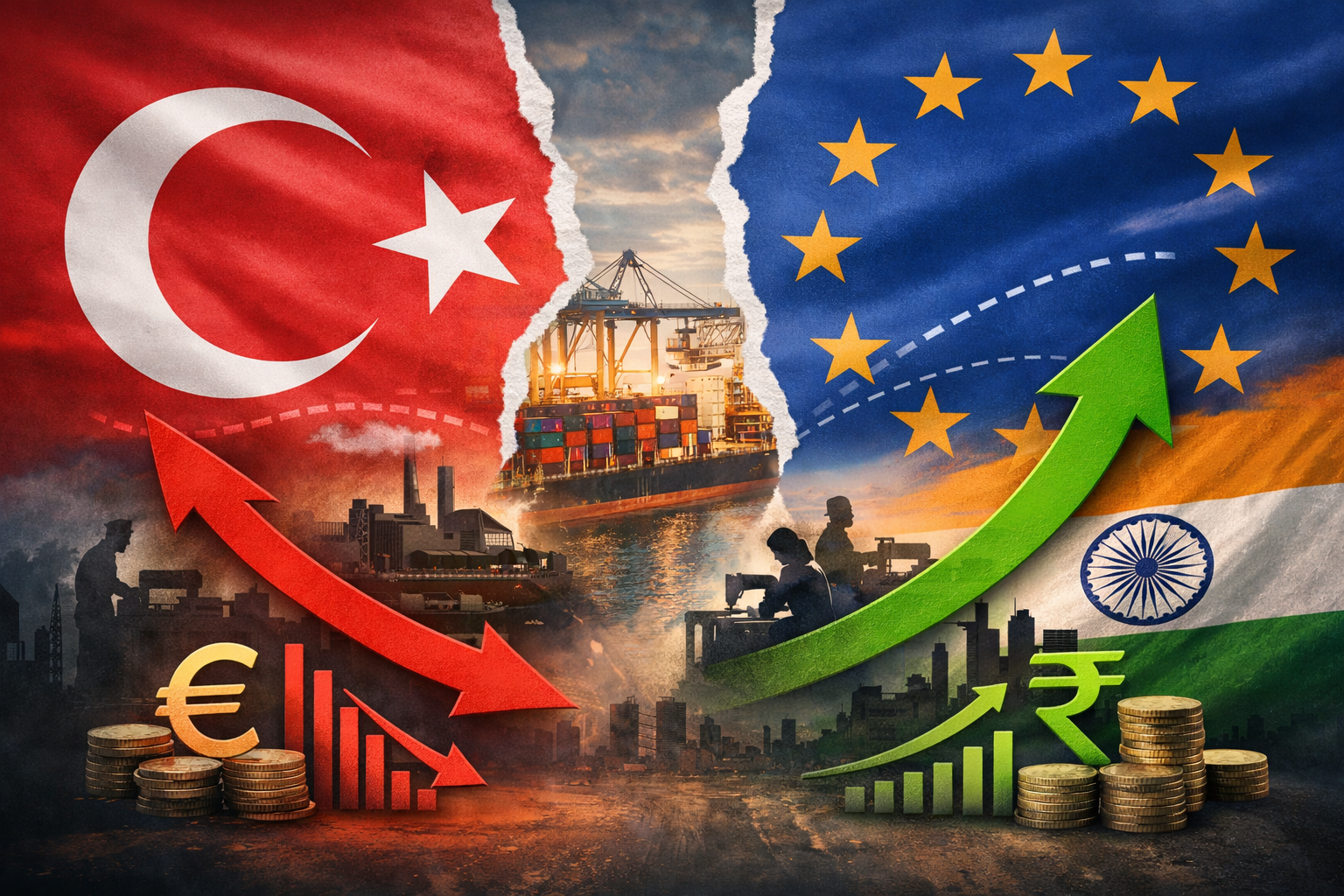 TÜRKİYE-EU TRADE RELATIONS: OPPORTUNITIES AND CHALLENGES
Özge Emine ÖZÇELİK 01.04.2026 -
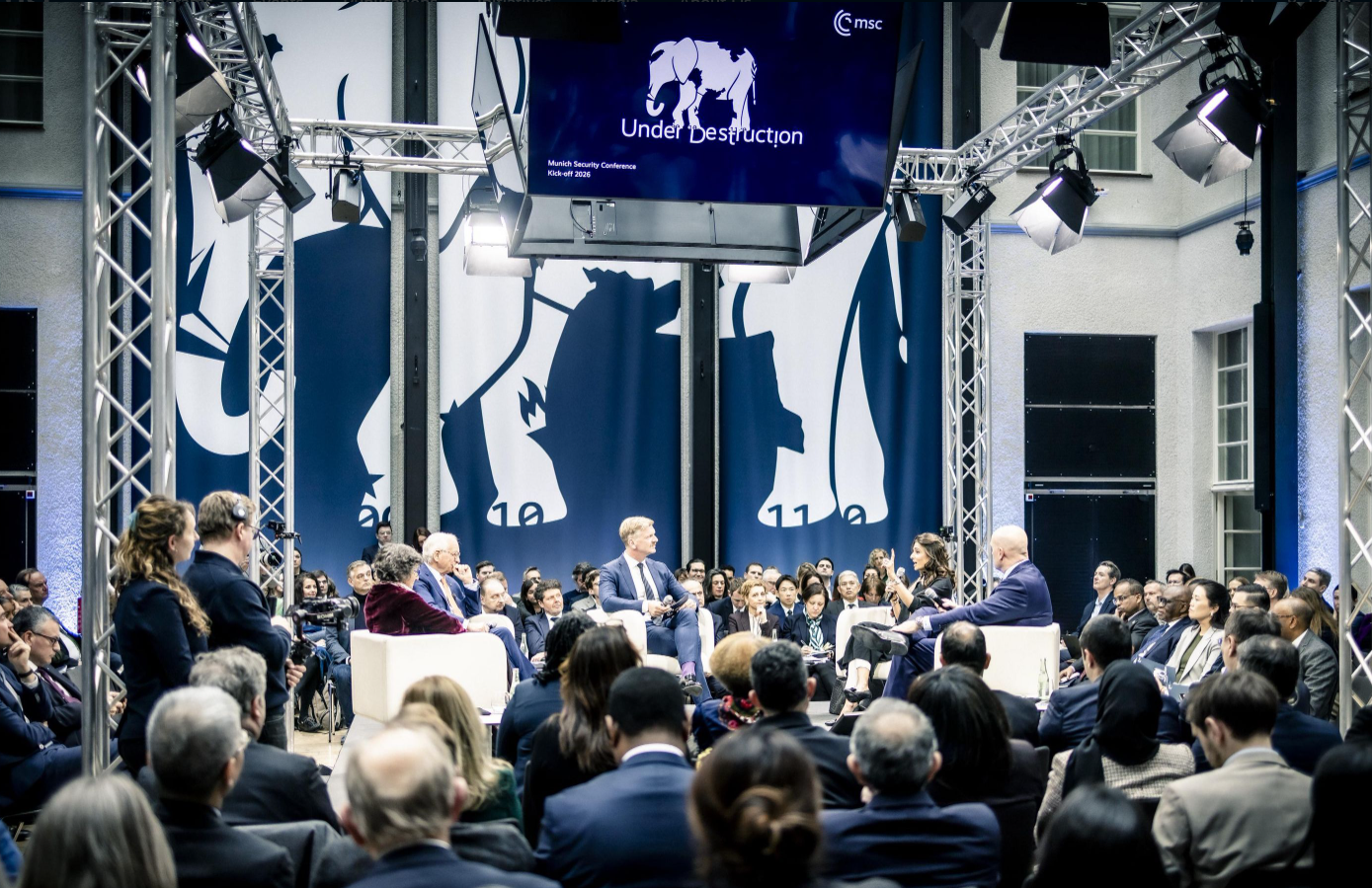 TÜRKİYE’S ROLE IN EUROPE’S CHANGING SECURITY STRATEGY
Özge Emine ÖZÇELİK 16.03.2026 -
 TÜRKİYE-TRNC STRATEGIC COOPERATION
Özge Emine ÖZÇELİK 27.07.2026 -
18TH BRICS NEW DELHI LEADERS’ SUMMIT
Özge Emine ÖZÇELİK 29.09.2026 -
 SHANGHAI COOPERATION ORGANIZATION (SCO) BISHKEK SUMMIT
Özge Emine ÖZÇELİK 15.09.2026
-
 THE NORTH MACEDONIA-BULGARIA DISPUTE AND THE CONFUSING WAY EU DEALS WITH CHALLENGES
AVİM 12.01.2021 -
 HIGHLIGHTS FROM THE US PRESIDENT TRUMP’S ASIA TRIP
Seyda Nur OSMANLI 29.01.2026 -
 FROM POINT SHOTS TO ARMED CONFLICT: HOW DID AZERBAIJAN-ARMENIA REACH THE BRINK OF WAR?
Tutku DİLAVER 14.08.2020 -
 THE ELECTION PROCESS OF THE ARMENIAN PATRIARCH OF ISTANBUL HAS GAINED MOMENTUM
Mehmet Oğuzhan TULUN 29.05.2017 -
 SOUL-SEARCHING IN SOUTHEAST ASIA: EMERGING RIFTS BETWEEN OLD FRIENDS AND NEW FOREIGN POLICY DIRECTIONS
Teoman Ertuğrul TULUN 17.01.2017
-
25.01.2016
THE ARMENIAN QUESTION - BASIC KNOWLEDGE AND DOCUMENTATION -
12.06.2024
THE TRUTH WILL OUT -
27.03.2023
RADİKAL ERMENİ UNSURLARCA GERÇEKLEŞTİRİLEN MEZALİMLER VE VANDALİZM -
17.03.2023
PATRIOTISM PERVERTED -
23.02.2023
MEN ARE LIKE THAT -
03.02.2023
BAKÜ-TİFLİS-CEYHAN BORU HATTININ YAŞANAN TARİHİ -
16.12.2022
INTERNATIONAL SCHOLARS ON THE EVENTS OF 1915 -
07.12.2022
FAKE PHOTOS AND THE ARMENIAN PROPAGANDA -
07.12.2022
ERMENİ PROPAGANDASI VE SAHTE RESİMLER -
01.01.2022
A Letter From Japan - Strategically Mum: The Silence of the Armenians -
01.01.2022
Japonya'dan Bir Mektup - Stratejik Suskunluk: Ermenilerin Sessizliği -
03.06.2020
Anastas Mikoyan: Confessions of an Armenian Bolshevik -
08.04.2020
Sovyet Sonrası Ukrayna’da Devlet, Toplum ve Siyaset - Değişen Dinamikler, Dönüşen Kimlikler -
12.06.2018
Ermeni Sorunuyla İlgili İngiliz Belgeleri (1912-1923) - British Documents on Armenian Question (1912-1923) -
02.12.2016
Turkish-Russian Academics: A Historical Study on the Caucasus -
01.07.2016
Gürcistan'daki Müslüman Topluluklar: Azınlık Hakları, Kimlik, Siyaset -
10.03.2016
Armenian Diaspora: Diaspora, State and the Imagination of the Republic of Armenia -
24.01.2016
ERMENİ SORUNU - TEMEL BİLGİ VE BELGELER (2. BASKI)
-
AVİM Conference Hall 24.01.2023
CONFERENCE TITLED “HUNGARY’S PERSPECTIVES ON THE TURKIC WORLD"