This is the English translation of a Turkish language article that was originally published by AVİM on 6 November 2025.
The 5th Tbilisi Silk Road Forum, held on 22-23 October, took place with the theme “Invest in Connectivity – Grow in Stability”. The Forum was first announced as an initiative at the UN General Assembly in 2014 and launched in 2015. Since then, it has evolved into an international organization that continuously promotes strategic discussions on trade, energy, transport and digital connectivity. The Forum’s main objective can be summarized as developing cooperation mechanisms to address existing problems in East-West connectivity. The main idea at this year's forum sessions was that investments in connectivity should ensure mutual stability and growth. The Forum also provided for the opportunity to set a series of strategic objectives. Among these, the objective of greatest interest to Türkiye is increasing the effectiveness of the Middle Corridor. It is extremely critical for the region that the capacity and efficiency of this route, which has grown in importance in recent years in East-West trade and transport (particularly since 2022), be increased to make it a driving force for regional growth. One of the thematic panel sessions at the forum was dedicated to the increasing importance of the Middle Corridor as a transport route and growth catalyst.
The forum, which aims to promote multilateral cooperation and dialogue between governments, international organizations, and the business community, was attended by approximately two thousand delegates, including government representatives, business leaders, and representatives from international organizations. Azerbaijan, Georgia and Armenia participated at the prime ministerial level. At the Forum, Armenian Prime Minister Pashinyan expressed his hope that the positive dialogue between Türkiye and Armenia could lead to the opening of the border between the two countries in the near future and stated that Armenia was ready, both politically and technically, to provide transit between Türkiye and Azerbaijan through Armenian territory. He explained that, although there are currently infrastructure shortcomings for the planned transit via Nakhchivan through the Zangezur Corridor, known as TRIPP, these could be resolved in the near future. Türkiye participated in the Forum at the level of deputy minister. In his speech, the Turkish Deputy Minister of Transport and Infrastructure stated that the Kars-Iğdır-Aralık-Dilucu Railway Line, the foundation of which was laid in August, would become an important part of the Zangezur Corridor, emphasizing that it would complement rather than be an alternative to the Baku-Tbilisi-Kars Railway. He also noted that Türkiye would continue its efforts to fully realize the potential of the Middle Corridor. There was no high-level participation from the EU.
When the Zengezur Corridor, which holds strategic importance in regional trade, becomes operational, it will be a key component of the Middle Corridor, which is a multimodal transport route. The Middle Corridor, which provides the safest and shortest route for east-west transport and trade from China to Europe following the Russia-Ukraine War, naturally places Türkiye in a key role that cannot be excluded, since the country connects Central Asia, the Caspian, and South Caucasus regions to the West due to its location. It should be noted that the Zangezur Corridor has significant potential in terms of energy security, as it is an alternative route for trade and transport. The realization of this connection will undoubtedly contribute to economic development and growth for all countries in the region, as well as to the development of political and diplomatic relations, cultural ties, and interaction between the citizens of these states. One of the countries that will benefit most from this development is Armenia, which is -at the moment- mostly isolated in the region and has no access to the sea. Furthermore, considering Armenia's policy of breaking away from Russia and opening up to the West, it is clear that the only way to carry out this shift in foreign policy is through Türkiye. In this regard, although the steps taken by Armenia towards normalizing relations with Türkiye and the peace process with Azerbaijan are progressing in a positive direction, the opening of borders and more concrete steps will depend on the signing of a peace agreement between Azerbaijan and Armenia.
The forum's overall results have demonstrated that regional connectivity provides tangible benefits in terms of economic growth and stability. Being a complementary part of the Middle Corridor, the Zangezur Corridor does not compete with other routes in the region, but rather supports them. This approach will contribute to diversifying trade and securing energy flows by increasing the efficiency of transport networks. Thanks to its geostrategic location and ongoing infrastructure investments, Türkiye is at the center of this process and is becoming one of the key actors in the integration of the East-West corridor. In the coming period, Türkiye's continued technical and diplomatic efforts towards increasing the effectiveness of the corridors will be decisive with regards to both regional development and the deepening of economic integration on a Eurasian scale.
© 2009-2025 Center for Eurasian Studies (AVİM) All Rights Reserved

















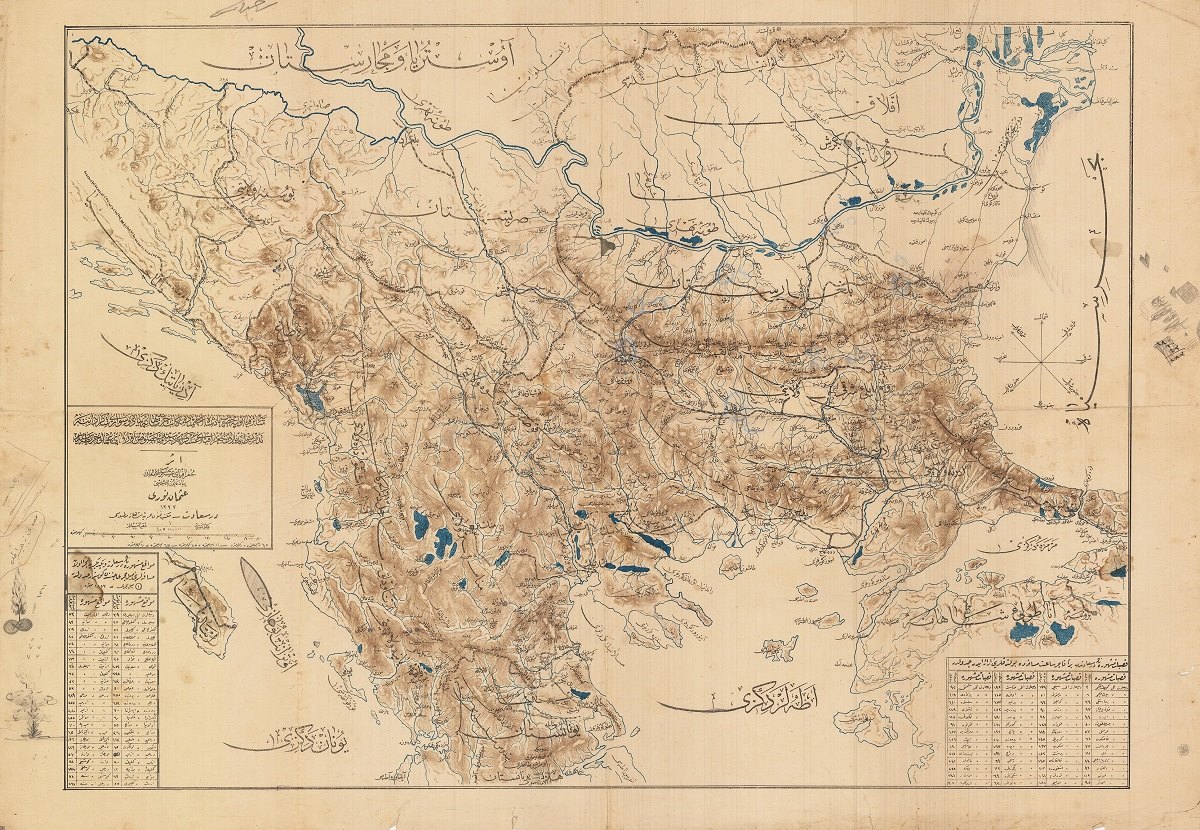 A POLITICAL DISCRIMINATION: THE “WESTERN BALKANS” DISCOURSE AND THE QUESTIONING OF BALKAN IDENTITY
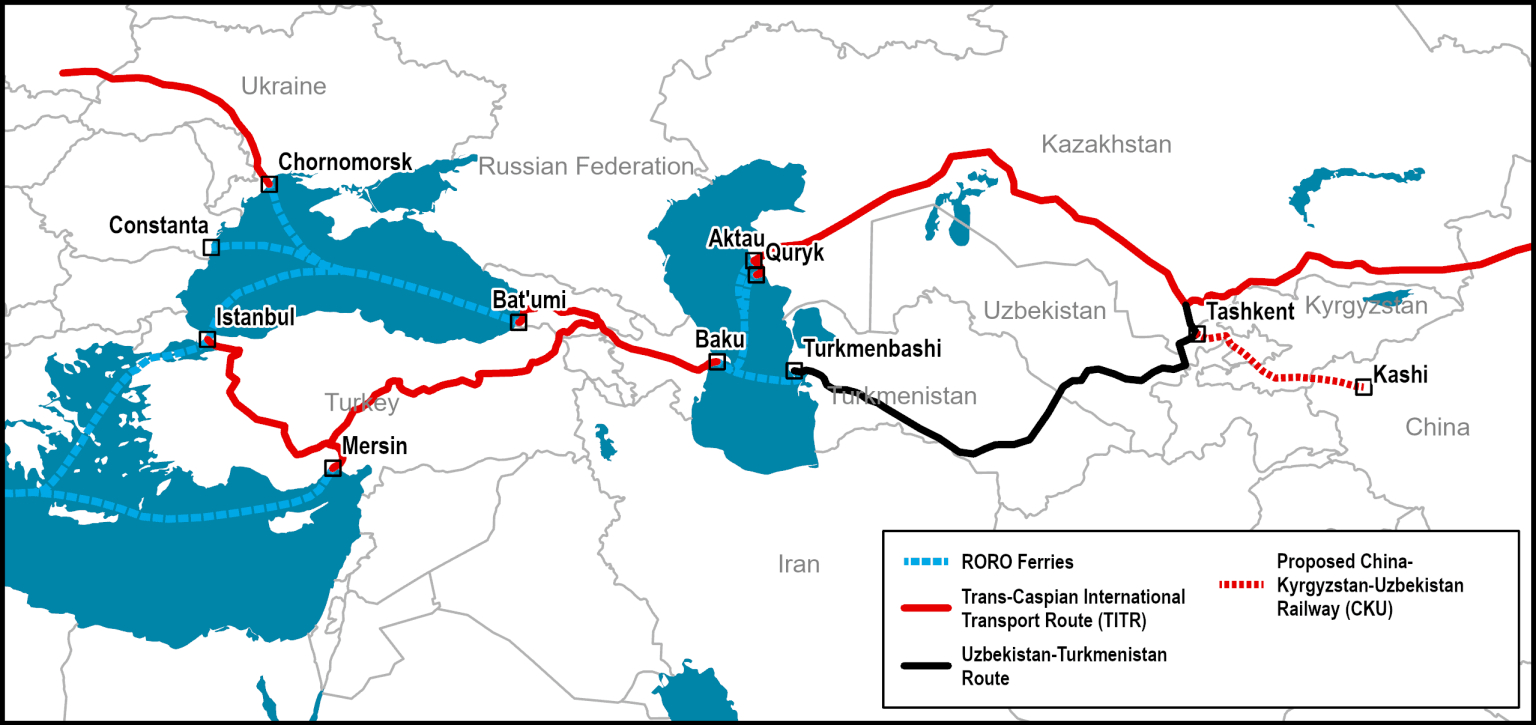 THE DEVELOPING TRANSIT ROUTES IN THE MIDDLE CORRIDOR
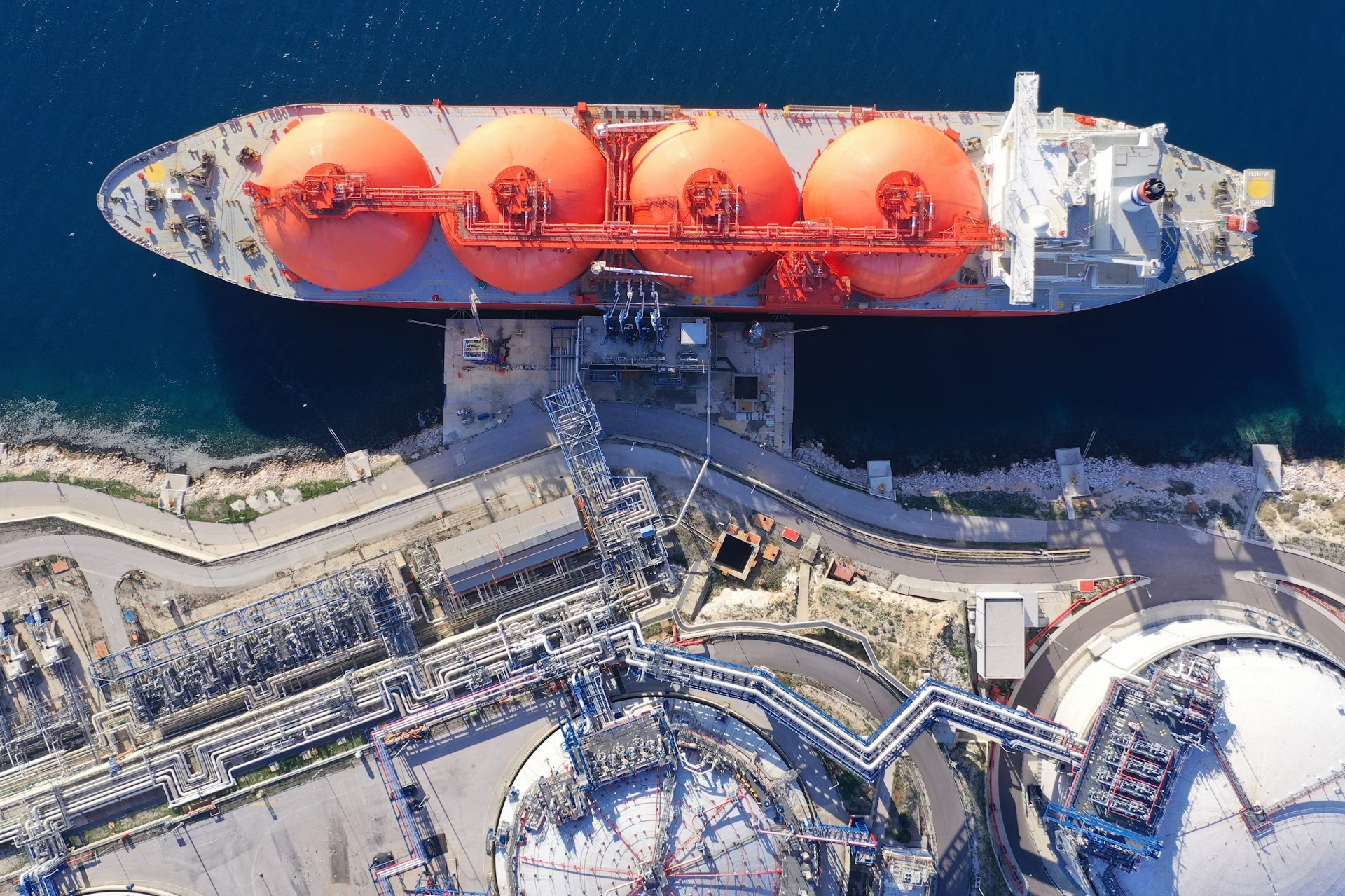 IS THE RISE IN GLOBAL LNG SUPPLY AN OPPORTUNITY FOR TÜRKİYE?
 COP29 EVALUATION IN THE CONTEXT OF AZERBAIJAN - ARMENIA RELATIONS
 NEW CHAIRMAN FOR CHRISTIAN DEMOCRATS IN GERMANY: MERZ
 THE DECISION OF THE EUROPEAN PARLIAMENT ON TURKEY’S ACCESSION PROCESS: ADVICE FOR WHAT PURPOSE?
 THE SWISS BANK ACCOUNT OF KAREKIN II
 THE NAGORNO-KARABAKH IS SWINGING ON A PENDULUM, AND THE CLOCK IS TICKING
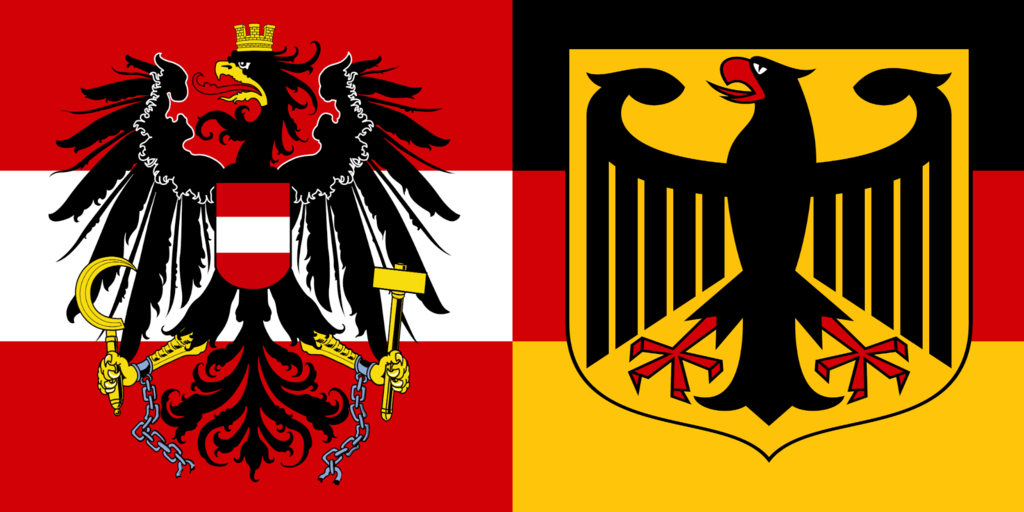 GERMANY ENDS INTELLIGENCE SHARING WITH AUSTRIA