

















Institute for Humanitarian Conflict Resolution-IHCR (21 July 2026)
Sam Ben-Meir
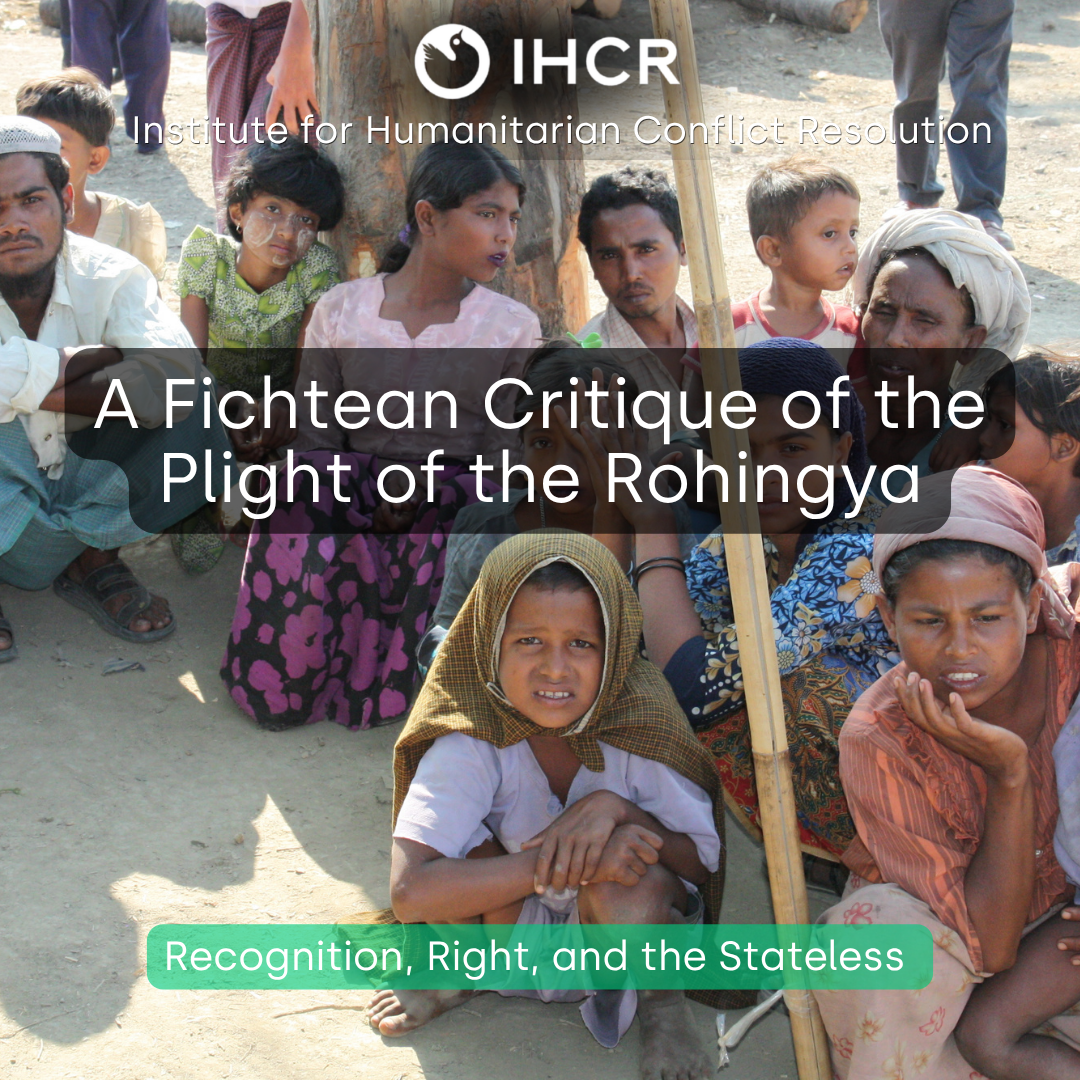
In a world that proclaims human rights as universal, what does it mean that entire peoples are rendered legally nonexistent—human beings for whom, as Hannah Arendt put it, “no law exists”? This essay turns to Johann Gottlieb Fichte’s philosophy of recognition to argue that the Rohingya are not only victims of a humanitarian disaster, but the site of a deeper metaphysical crisis: a systematic refusal of juridical personhood that exposes statelessness as a negation of the very conditions of moral agency. By reading Fichte alongside Arendt’s “right to have rights,” the article reveals how Myanmar’s 1982 Citizenship Law transforms the Rohingya into the limit case of the modern moral world order and contends that recognizing their rights is not mere charity but a transcendental demand of reason itself.
I. Introduction: The Moral and Philosophical Scandal of Statelessness
Few conditions so starkly expose the limits of our moral and political order as those of the stateless person. For Hannah Arendt, the refugee or stateless individual—deprived of citizenship and stripped of political belonging—reveals “the right to have rights” as the first and most fundamental of all rights. The case of the Rohingya, denied citizenship under Myanmar’s 1982 Nationality Law and persecuted as an “alien” presence within their own homeland, exemplifies the deepest contradiction of modern politics: the existence of persons whom the law has rendered invisible.
To address this contradiction philosophically, we may turn to Johann Gottlieb Fichte, whose conception of right (Recht) as the condition of reciprocal recognition among free beings provides a powerful framework for understanding the moral catastrophe of statelessness. Though writing in the late eighteenth century, Fichte’s Foundations of Natural Right anticipates the central insight of Arendt’s political thought: that human dignity depends not merely on biological existence, but on the political and juridical recognition of one’s personhood.
No comments yet.
-
 JAPAN PROTESTS CHINA-RUSSIA LIVE-FIRE NAVAL DRILLS INSIDE CONTESTED EEZ
Asia - Pacific
21.07.2026
JAPAN PROTESTS CHINA-RUSSIA LIVE-FIRE NAVAL DRILLS INSIDE CONTESTED EEZ
Asia - Pacific
21.07.2026
- ARMENIAN AMBASSADOR OUTLINES PRIORITIES FOR U.S. TIES AT WASHINGTON POLICY FORUM The Caucasus and Turkish-Armenian Relations 21.07.2026
-
RECOGNITION, RIGHT, AND THE STATELESS: A FICHTEAN CRITIQUE OF THE PLIGHT OF THE ROHINGYA
Asia - Pacific
21.07.2026
-
 IRAQ’S GOVERNMENT SPOKESPERSON: AL-ZAIDI TO VISIT IRAN AND TURKEY
Iraq
21.07.2026
IRAQ’S GOVERNMENT SPOKESPERSON: AL-ZAIDI TO VISIT IRAN AND TURKEY
Iraq
21.07.2026
- AZERBAIJANI, GERMAN PRESIDENTS MEET IN BERLIN The Caucasus and Turkish-Armenian Relations 21.07.2026
-
25.01.2016
THE ARMENIAN QUESTION - BASIC KNOWLEDGE AND DOCUMENTATION -
12.06.2024
THE TRUTH WILL OUT -
27.03.2023
RADİKAL ERMENİ UNSURLARCA GERÇEKLEŞTİRİLEN MEZALİMLER VE VANDALİZM -
17.03.2023
PATRIOTISM PERVERTED -
23.02.2023
MEN ARE LIKE THAT -
03.02.2023
BAKÜ-TİFLİS-CEYHAN BORU HATTININ YAŞANAN TARİHİ -
16.12.2022
INTERNATIONAL SCHOLARS ON THE EVENTS OF 1915 -
07.12.2022
FAKE PHOTOS AND THE ARMENIAN PROPAGANDA -
07.12.2022
ERMENİ PROPAGANDASI VE SAHTE RESİMLER -
01.01.2022
A Letter From Japan - Strategically Mum: The Silence of the Armenians -
01.01.2022
Japonya'dan Bir Mektup - Stratejik Suskunluk: Ermenilerin Sessizliği -
03.06.2020
Anastas Mikoyan: Confessions of an Armenian Bolshevik -
08.04.2020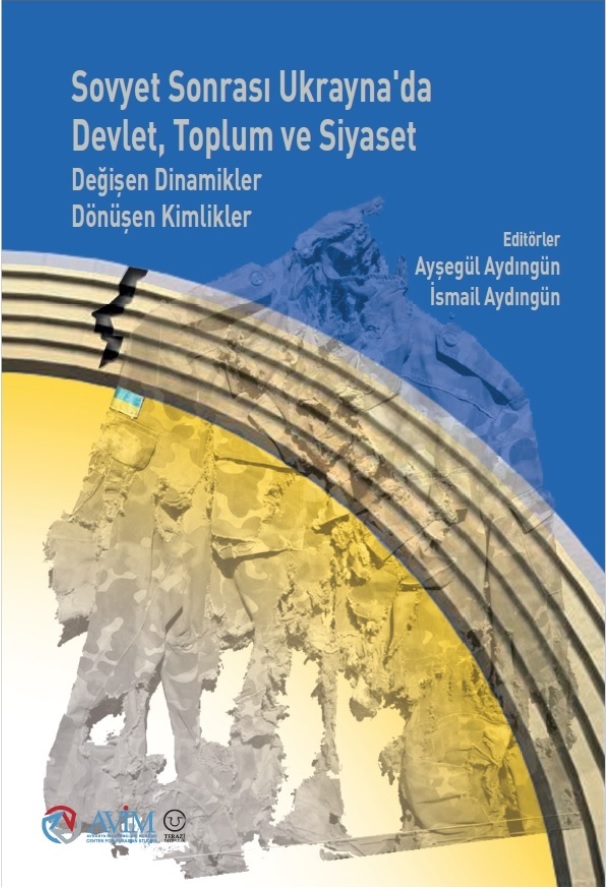
Sovyet Sonrası Ukrayna’da Devlet, Toplum ve Siyaset - Değişen Dinamikler, Dönüşen Kimlikler -
12.06.2018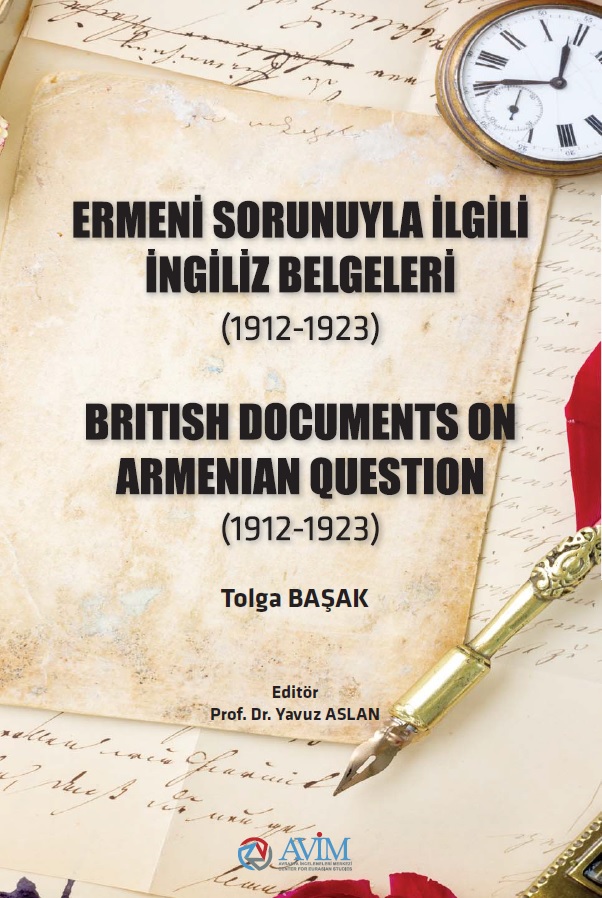
Ermeni Sorunuyla İlgili İngiliz Belgeleri (1912-1923) - British Documents on Armenian Question (1912-1923) -
02.12.2016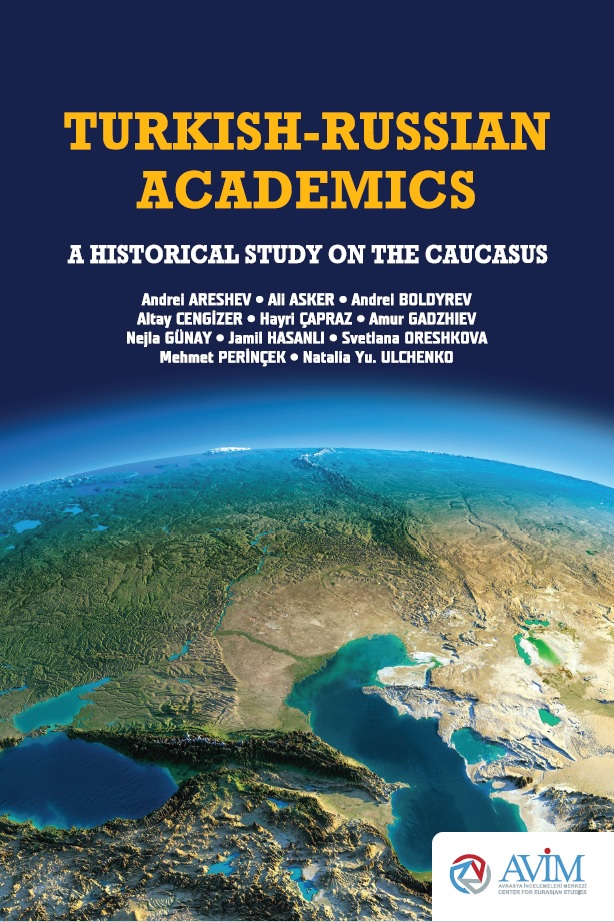
Turkish-Russian Academics: A Historical Study on the Caucasus -
01.07.2016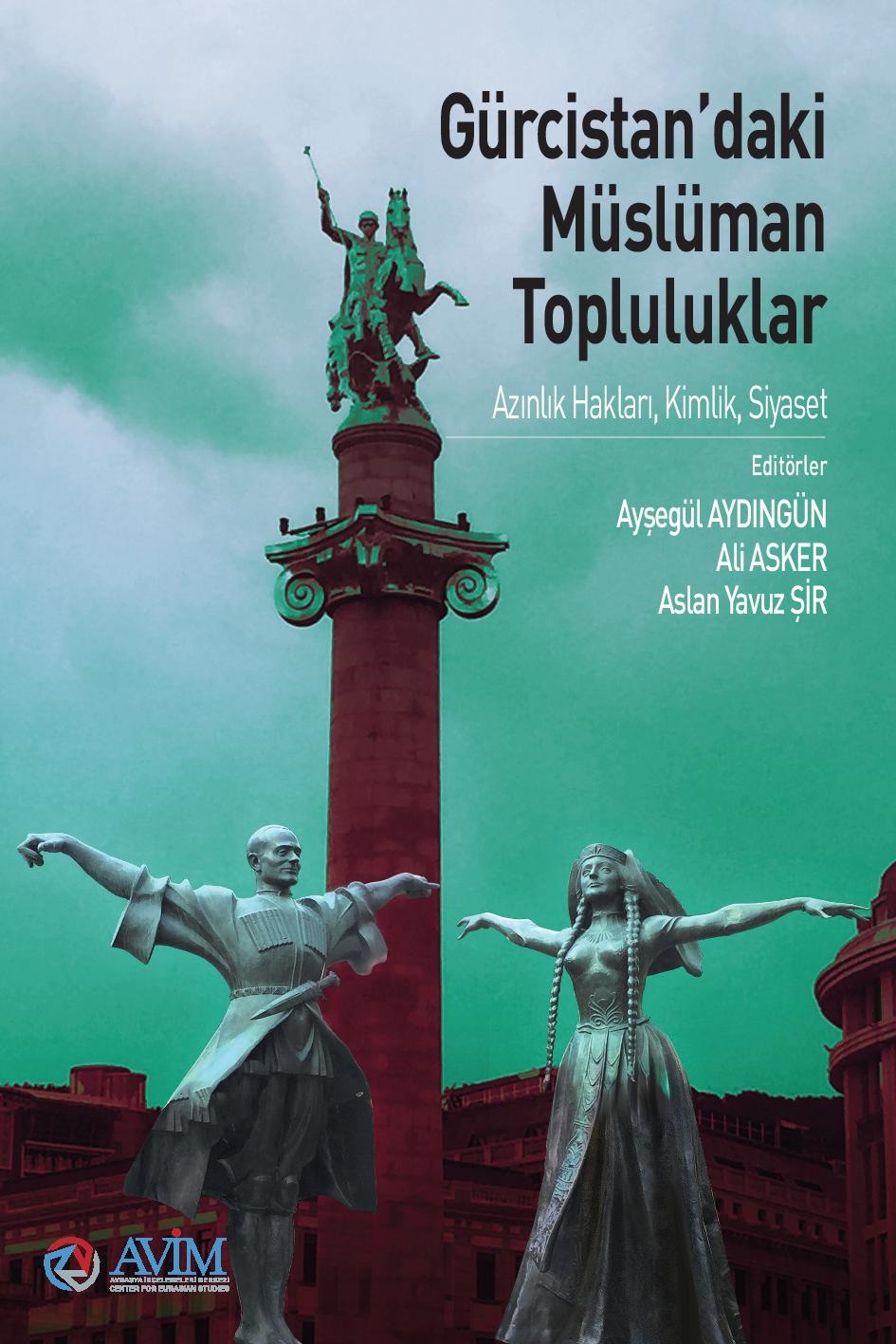
Gürcistan'daki Müslüman Topluluklar: Azınlık Hakları, Kimlik, Siyaset -
10.03.2016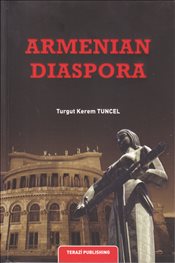
Armenian Diaspora: Diaspora, State and the Imagination of the Republic of Armenia -
24.01.2016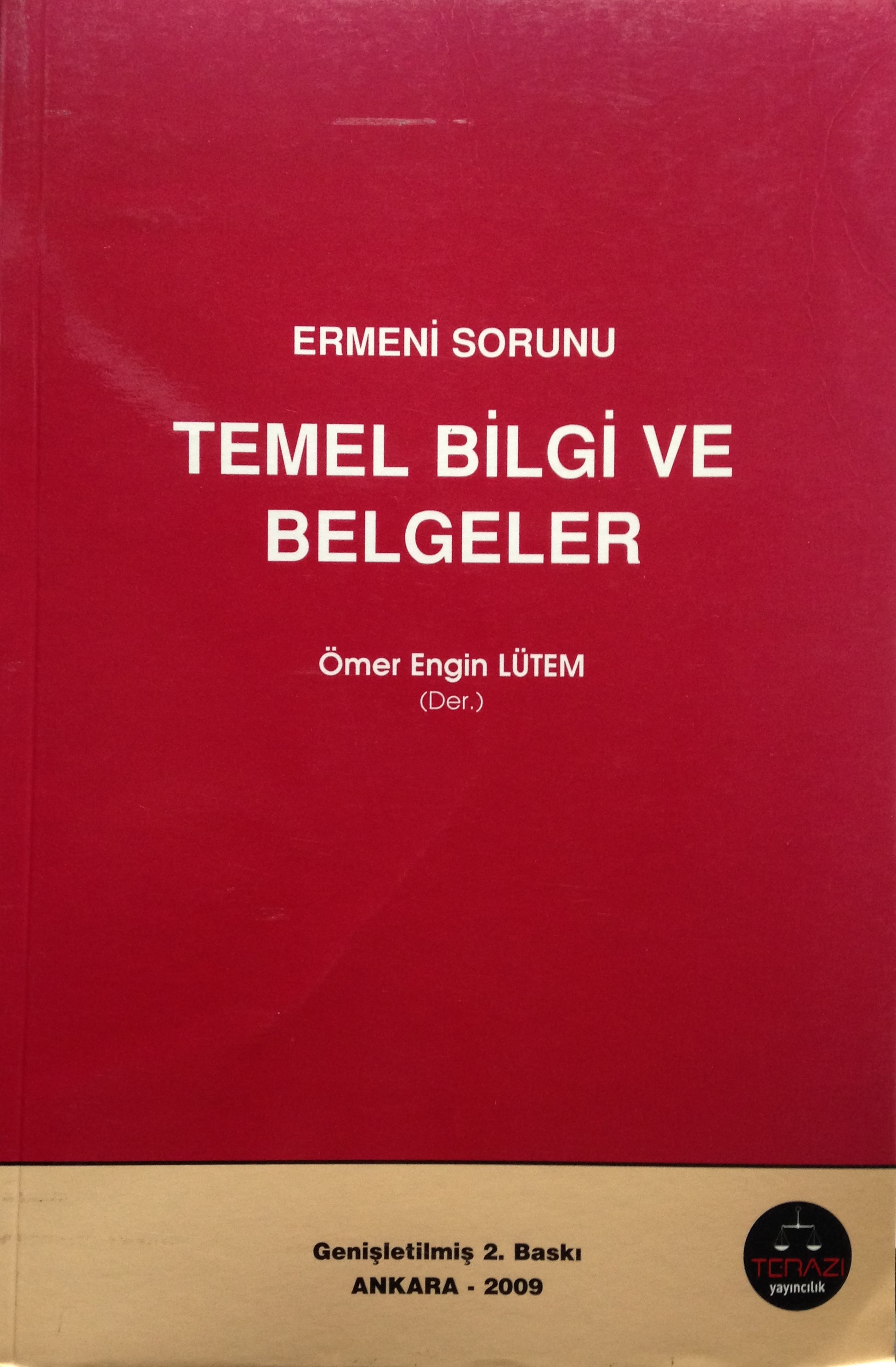
ERMENİ SORUNU - TEMEL BİLGİ VE BELGELER (2. BASKI)
-
AVİM Conference Hall 24.01.2023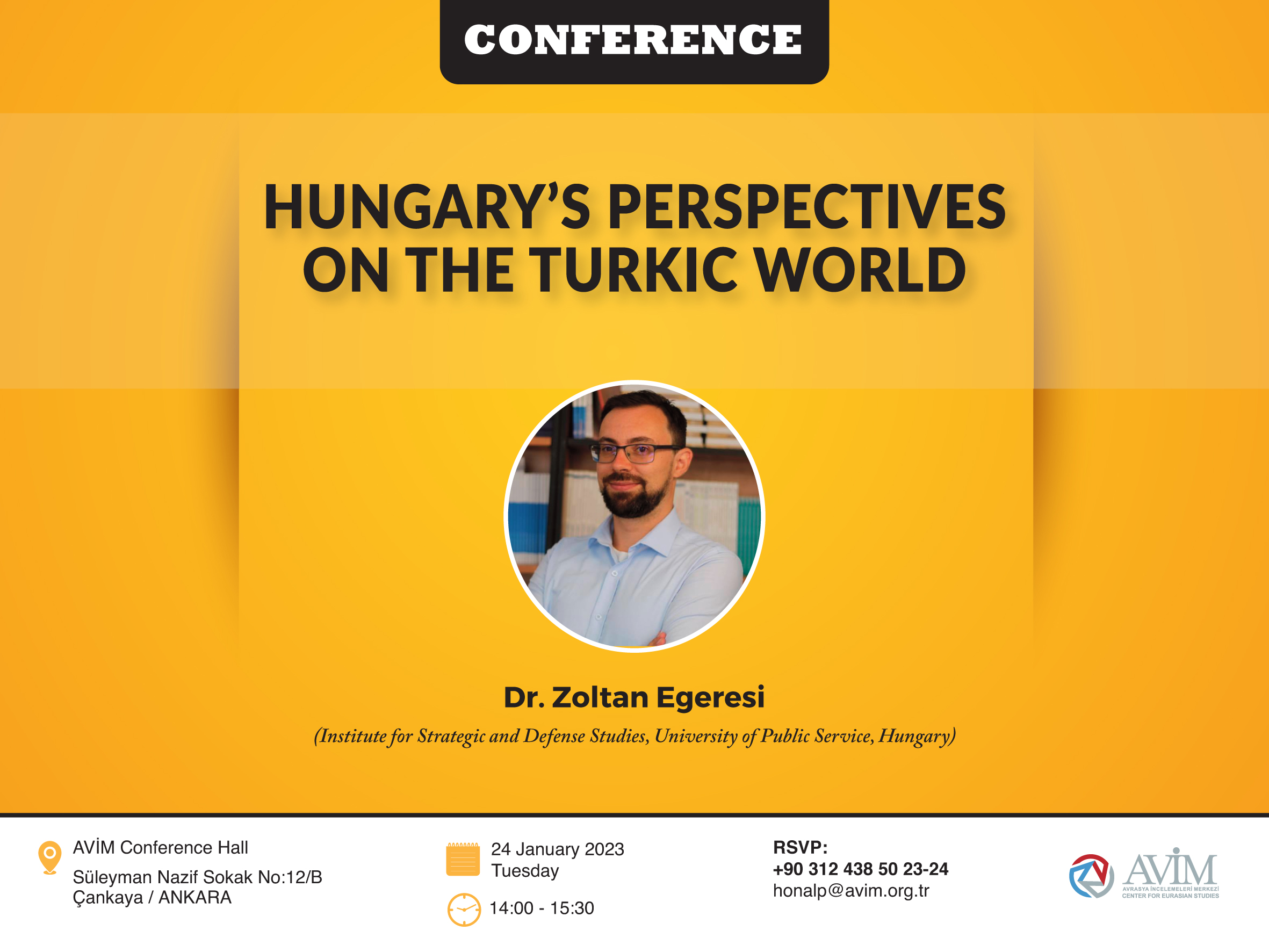
CONFERENCE TITLED “HUNGARY’S PERSPECTIVES ON THE TURKIC WORLD"