














This is the English translation of a Turkish language article that was originally published by AVİM on 17 June 2026.
This year, as in previous years, Armenians have continued to commemorate April 24 as the anniversary of their "genocide" claims within the framework of their own historical narrative. Türkiye, on the other hand, resolutely opposes these allegations, which in no way align with either the letter or the spirit of the 1948 Convention on the Prevention and Punishment of the Crime of Genocide.
In the historical process, the Armenian side, which has evaluated conflicts arising from its territorial claims on lands where Armenians lived as a minority as a threat to their very existence and has communicated this situation to the international community through the narrative of "genocide", has recently brought a new allegation to the fore. Within this framework, Karekin II, the Catholicos of Etchmiadzin, has asserted that the Armenians who voluntarily migrated from Karabakh to Armenia following the Second Karabakh War were subjected to "genocide."[1]
The developments on the ground, however, fail to provide concrete data supporting these claims. During both the Second Karabakh War which lasted for 44 days, and the anti-terror operations conducted in Karabakh in September 2023, the Azerbaijani side emphasized its sensitivity toward protecting the Armenian civilian population while issuing official statements to that effect. Azerbaijani President Ilham Aliyev has also repeatedly stated that the war was directed not against the Armenian people but against armed elements, and that actions were carried out in accordance with international law and moral principles.[2] Conversely, various sources reported that, during the war, Armenia carried out attacks targeting Azerbaijani settlements located far from the frontline, causing significant damage to civilian infrastructure. Between 27 September and 10 November 2020 alone, 93 Azerbaijani civilians lost their lives and 454 were injured. The presence of 67 children among the wounded further aggravates the civilian dimension of the conflict.[3]
Within this framework, no significant change was observed in the approach adopted by Azerbaijan in the post-war period, and the Azerbaijani administration sustained its commitments regarding the security of the Armenian population in Karabakh. Indeed, during the hearing held on 12 October 2023 within the scope of the case “Application of the International Convention on the Elimination of All Forms of Racial Discrimination (Armenia v. Azerbaijan)” before the International Court of Justice, Azerbaijan once again emphasized that the Armenians of Karabakh were its own citizens and that their rights would be protected on an equal basis with those of all other Azerbaijani citizens.[4]
On the other hand, despite the aforementioned commitments and the applications on the ground, a significant portion of the Armenian population in Karabakh did not accept the opportunities offered by the Azerbaijani administration.[5] Various obstacles were raised against humanitarian aid initiatives and efforts were made to create a perception in the international community that Azerbaijan was depriving the Armenians in the region of access to basic necessities.
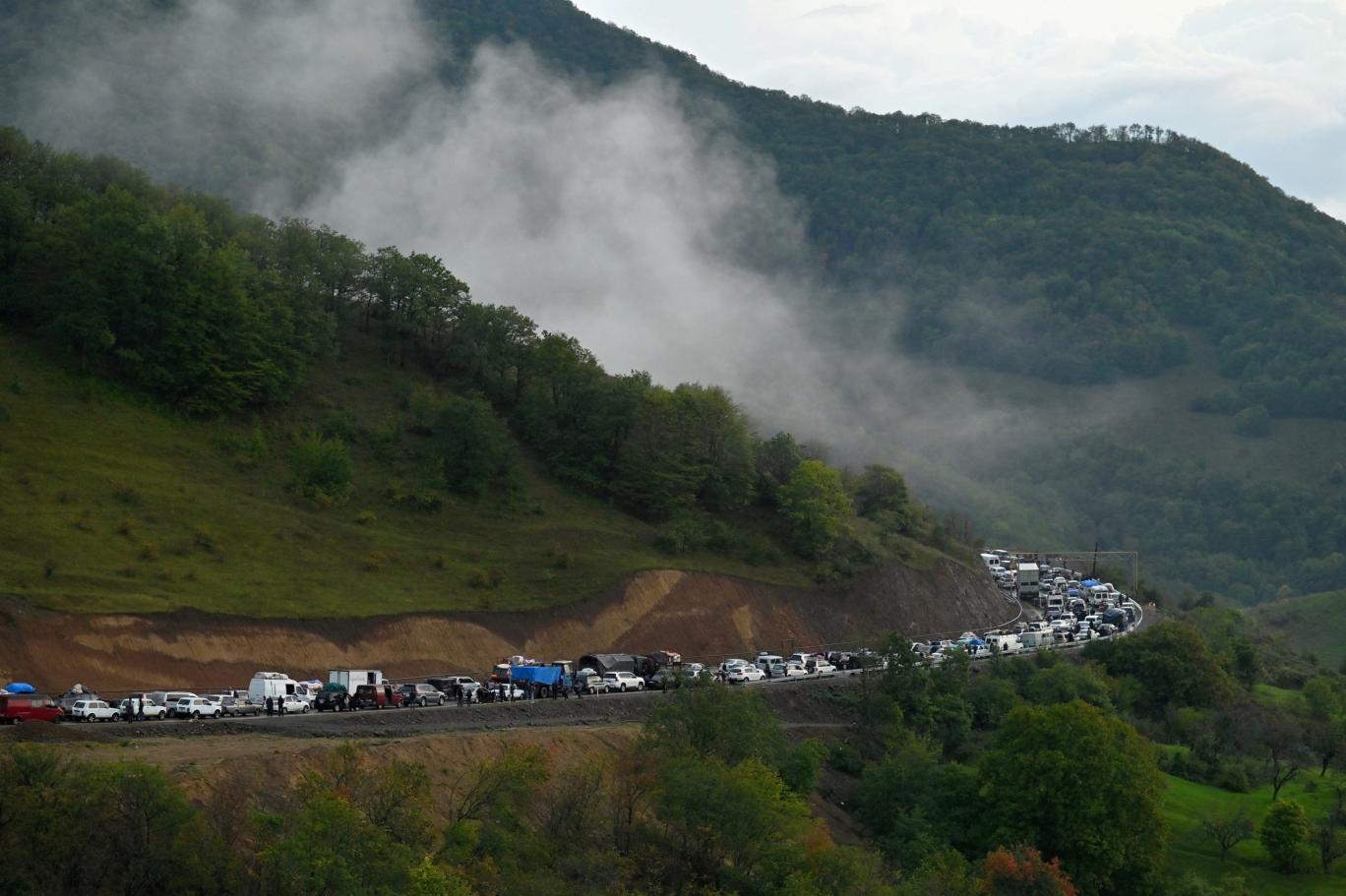
Within the framework of this discourse, the majority of the population, who stated that they did not wish to remain in the region and preferred to go to Armenia, left the area safely through the Lachin Corridor, with the exception of a limited group that chose to stay. It is particularly noteworthy that, despite guarantees regarding safety and living conditions, some of the departing groups were observed damaging the settlements they left behind.[6] It should be noted that these settlements are known to have belonged to Azerbaijanis until the 1990s.
The entirety of the developments summarized above has taken place in recent years under the direct observation of the international community and the media. The events experienced throughout this process demonstrate that the departure of the Armenian population from Karabakh was not coerced, but occurred largely in accordance with their own preferences. Indeed, Armenian Prime Minister Nikol Pashinyan has also pointed to the voluntary nature of this migration in his various statements.[7] As such, attempts to frame these developments as “ethnic cleansing” or “genocide” reveal the construction of a narrative that does not correspond with the observations on the ground.
This situation brings along a broader debate. In recent times, the characterization of a process—which unfolded in the presence of numerous visual records, witness testimonies, and international observers—with such a grave concept as “genocide” brings to the fore the question of how credible the claims regarding the 1915 events actually are. In particular, the question of what kind of evidence similar characterizations of different historical events are based upon carries significant importance in terms of international law and historiography. Within this framework, the controversial public interpretation of developments in the context of Karabakh also exerts an indirect effect on the perception of earlier historical claims.
As a matter of fact, numerous events that took place between 1988 and 1994, most notably the Khojaly Massacre committed against Azerbaijani civilians in Karabakh and its surrounding regions, have left deep traces in the regional memory. Despite the continued existence of testimonies and documentation regarding these events, the lack of sufficient consideration given to this history of massacre in contemporary discourse draws criticism that international debates are being conducted through a selective perspective.
In conclusion, the mismatch between the recent developments in Karabakh and the international discourse surrounding them points not only to an ongoing political debate but also to a broader problem regarding the legal and historical application of concepts. Within this framework, a proper evaluation must be based on concrete data on the ground and international legal norms rather than mere discourses.
*Image: The Independent Türkçe
[1] Спустя столетие после геноцида Арцах был обезлюден новыми геноцидными действиями, May 2, 2026, https://verelq.am/ru/node/172442
[2] Vətən müharibəsi, May 2, 2026, https://president.az/az/pages/view/azerbaijan/karabakh2
[3] 44 gün sürən Vətən Müharibəsi (II Qarabağ müharibəsi), May 2, 2026, https://genprosecutor.gov.az/az/page/azerbaycan/i-ve-ii-qarabag-muharibesi/44-gun-suren-veten-muharibesi-ii-qarabag-muharibesi
[4] Public sitting held on Thursday 12 October 2023, at 4 p.m., at the Peace Palace, May 2, 2026, https://www.icj-cij.org/node/203213
[5] XİN: Azərbaycan Qarabağda yaşayan erməni sakinlərin hüquqlarını ölkə Konstitusiyası əsasında təmin edəcək, 28.04.2026, https://azertag.az/xeber/xin_azerbaycan_qarabagda_yasayan_ermeni_sakinlerin_huquqlarini_olke_konstitusiyasi_esasinda_temin_edecek-2712157
[6] Ethnic Armenian villagers burn houses before Azerbaijan takeover, 28.04.2026, https://www.aljazeera.com/news/2020/11/14/villagers-burn-karabakh-houses-ahead-of-azerbaijan-takeover
[7] Pashinyan calls Nagorno-Karabakh Armenian refugees ‘runaways’ in argument on metro, 03.05.2026, https://oc-media.org/pashinyan-calls-nagorno-karabakh-armenian-refugees-runaways-in-argument-on-metro/
© 2009-2025 Center for Eurasian Studies (AVİM) All Rights Reserved
No comments yet.
-
 CHOLPON-ATA SUMMIT: NEW PERIOD IN AZERBAIJAN'S CENTRAL ASIA INTEGRATION
İlaha KHANTAMİROVA 31.08.2026 -
THE MIGRATION OF ARMENIANS FROM KARABAKH AND THE CLAIMS OF A NEW “GENOCIDE”
İlaha KHANTAMİROVA 13.07.2026 -
 EU-ARMENIA COOPERATION AND CHANGING REGIONAL BALANCES IN THE SOUTH CAUCASUS
İlaha KHANTAMİROVA 24.07.2026 -
 THE INTEGRATION OF THE TURKIC WORLD AND ITS IMPLICATIONS FOR REGIONAL POWER DYNAMICS
İlaha KHANTAMİROVA 16.06.2026 -
 OVERLAPPING INTERESTS IN THE SOUTH CAUCASUS: THE AZERBAIJAN, ISRAEL AND IRAN TRIANGLE
İlaha KHANTAMİROVA 29.05.2025
-
 MR. NALBANDIAN DID NOT TELL THE TRUTH
Maxime GAUIN 11.09.2014 -
 AT THE CROSSROADS: TÜRKİYE AND THE BATTLE FOR BLACK SEA ORDER
Teoman Ertuğrul TULUN 21.10.2025 -
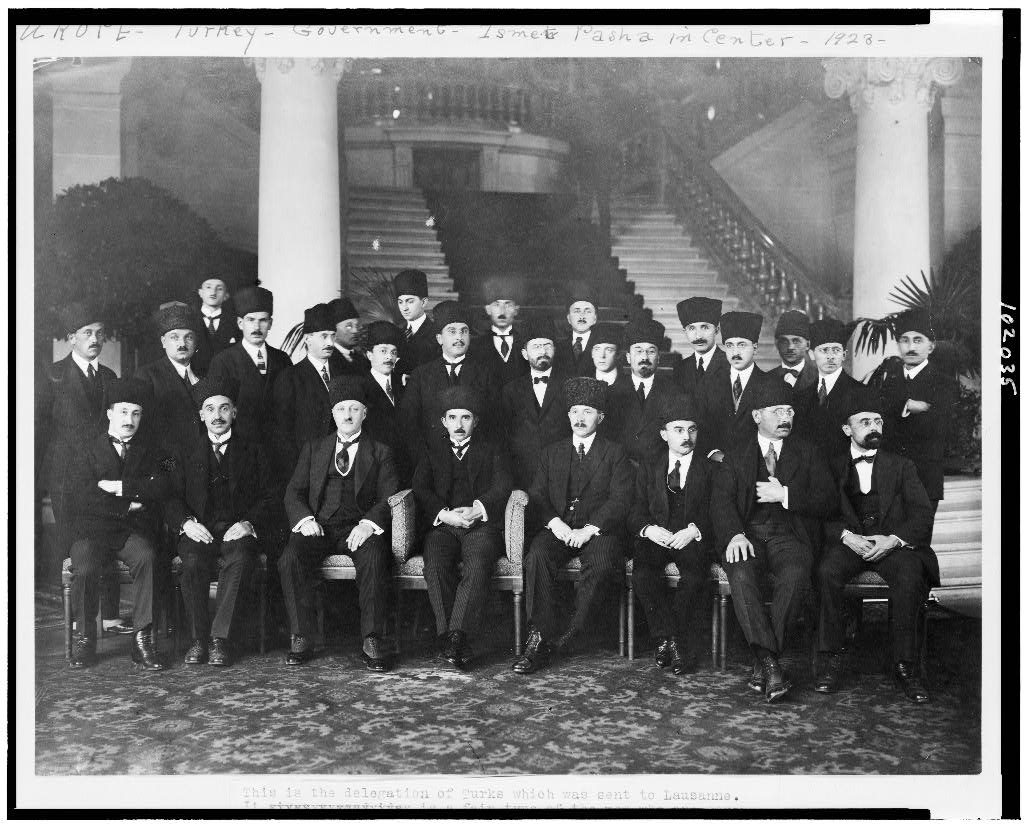 PEACE TREATY OF LAUSANNE AND THE END TO ARMENIAN ASPIRATIONS
Teoman Ertuğrul TULUN 22.07.2016 -
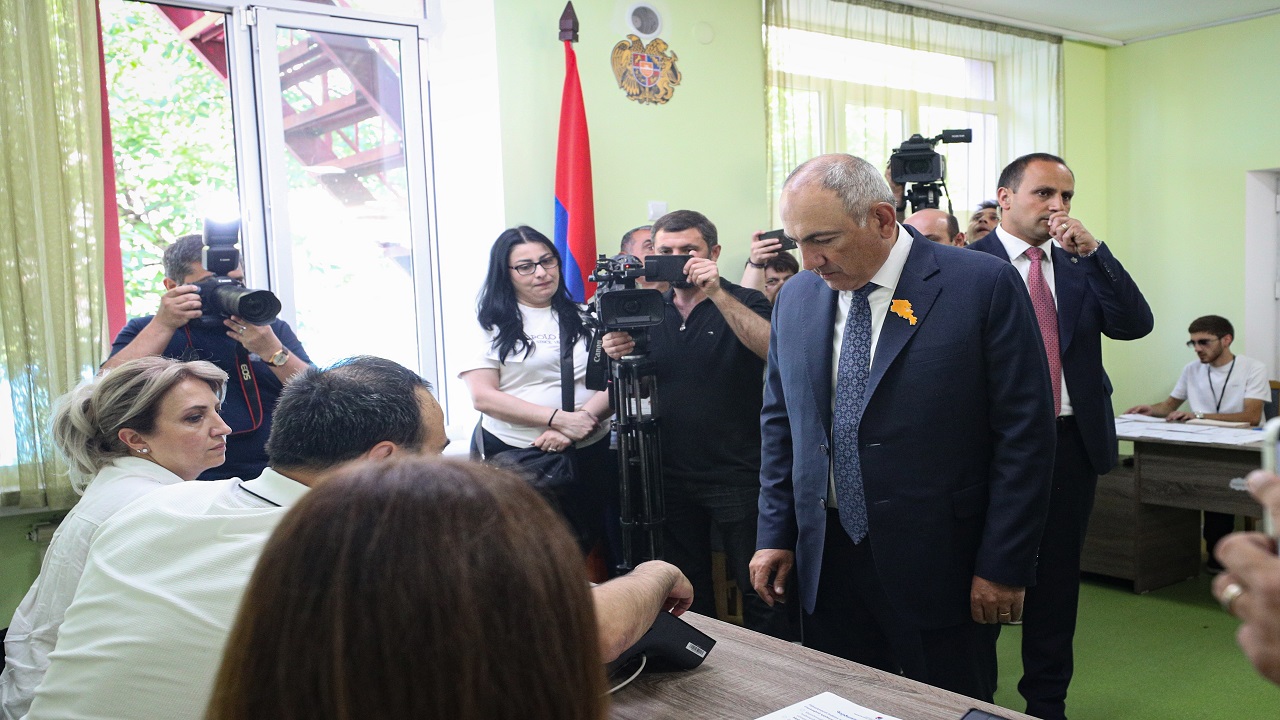 THE JUNE 7 ELECTIONS IN ARMENIA: POLITICAL CONTINUITY AND REGIONAL TRANSFORMATION
Tuğçe TECİMER 25.06.2026 -
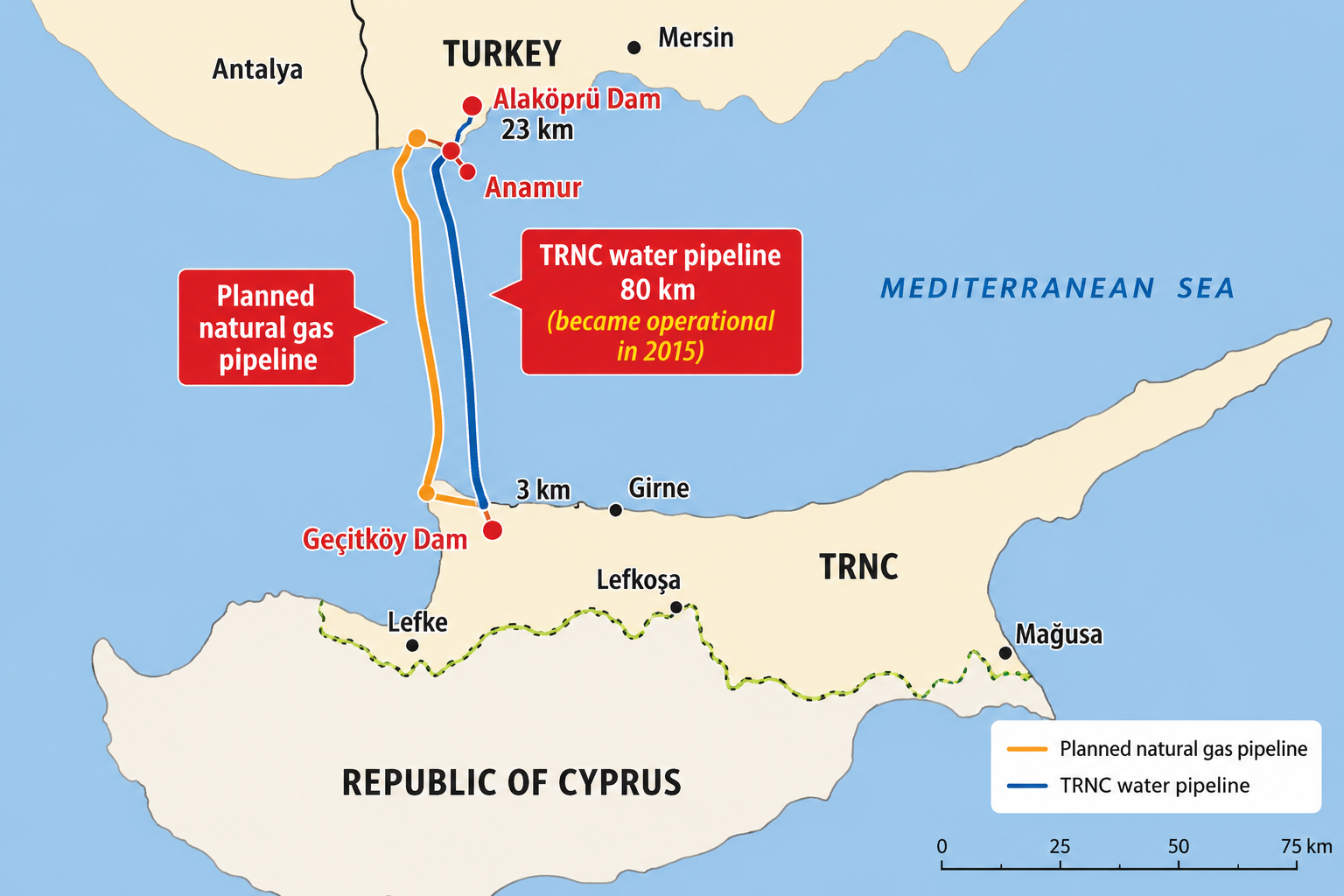 TÜRKİYE-TRNC STRATEGIC COOPERATION
Özge Emine ÖZÇELİK 27.07.2026
-
25.01.2016
THE ARMENIAN QUESTION - BASIC KNOWLEDGE AND DOCUMENTATION -
12.06.2024
THE TRUTH WILL OUT -
27.03.2023
RADİKAL ERMENİ UNSURLARCA GERÇEKLEŞTİRİLEN MEZALİMLER VE VANDALİZM -
17.03.2023
PATRIOTISM PERVERTED -
23.02.2023
MEN ARE LIKE THAT -
03.02.2023
BAKÜ-TİFLİS-CEYHAN BORU HATTININ YAŞANAN TARİHİ -
16.12.2022
INTERNATIONAL SCHOLARS ON THE EVENTS OF 1915 -
07.12.2022
FAKE PHOTOS AND THE ARMENIAN PROPAGANDA -
07.12.2022
ERMENİ PROPAGANDASI VE SAHTE RESİMLER -
01.01.2022
A Letter From Japan - Strategically Mum: The Silence of the Armenians -
01.01.2022
Japonya'dan Bir Mektup - Stratejik Suskunluk: Ermenilerin Sessizliği -
03.06.2020
Anastas Mikoyan: Confessions of an Armenian Bolshevik -
08.04.2020
Sovyet Sonrası Ukrayna’da Devlet, Toplum ve Siyaset - Değişen Dinamikler, Dönüşen Kimlikler -
12.06.2018
Ermeni Sorunuyla İlgili İngiliz Belgeleri (1912-1923) - British Documents on Armenian Question (1912-1923) -
02.12.2016
Turkish-Russian Academics: A Historical Study on the Caucasus -
01.07.2016
Gürcistan'daki Müslüman Topluluklar: Azınlık Hakları, Kimlik, Siyaset -
10.03.2016
Armenian Diaspora: Diaspora, State and the Imagination of the Republic of Armenia -
24.01.2016
ERMENİ SORUNU - TEMEL BİLGİ VE BELGELER (2. BASKI)
-
AVİM Conference Hall 24.01.2023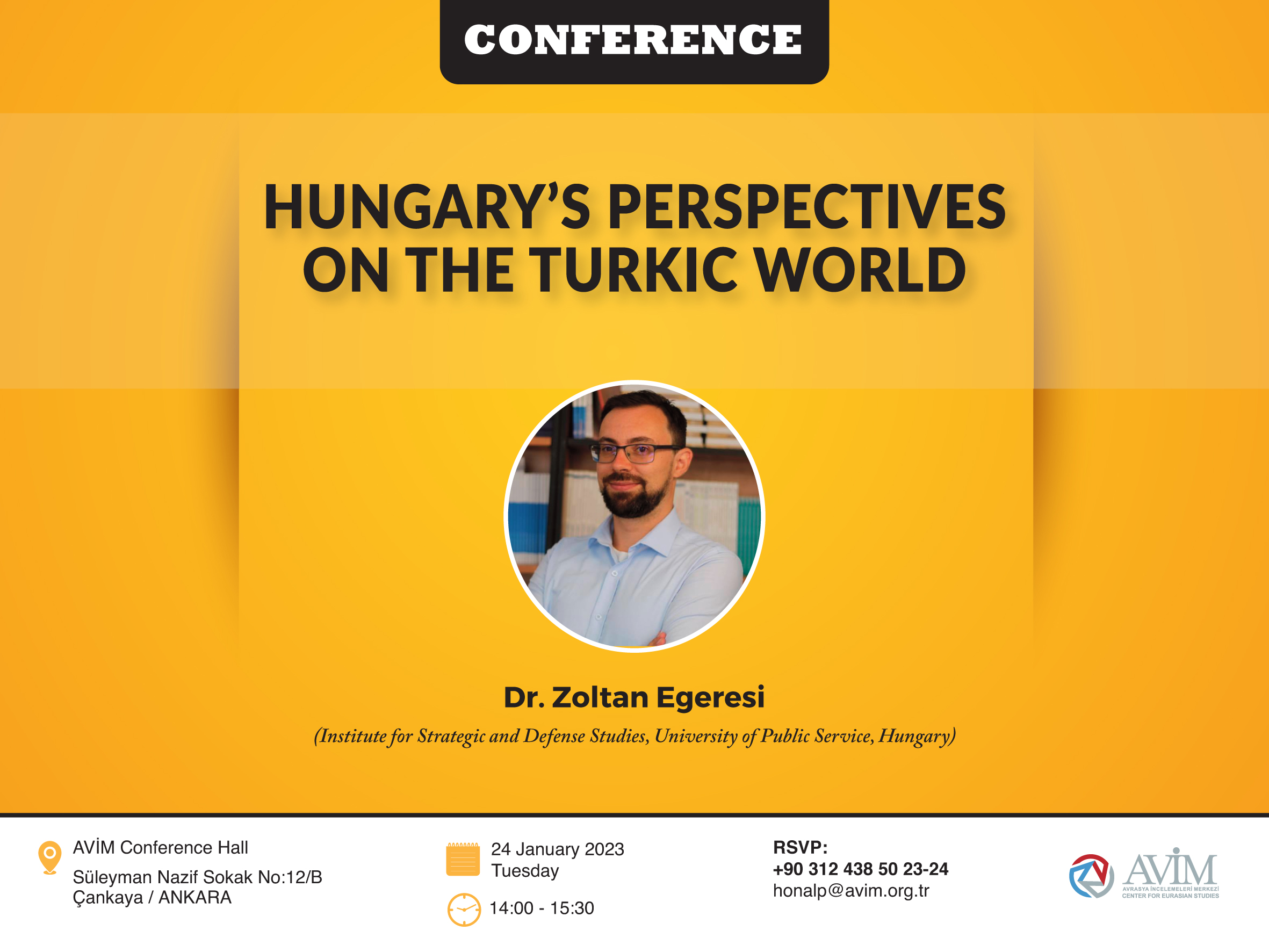
CONFERENCE TITLED “HUNGARY’S PERSPECTIVES ON THE TURKIC WORLD"