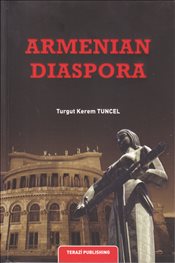
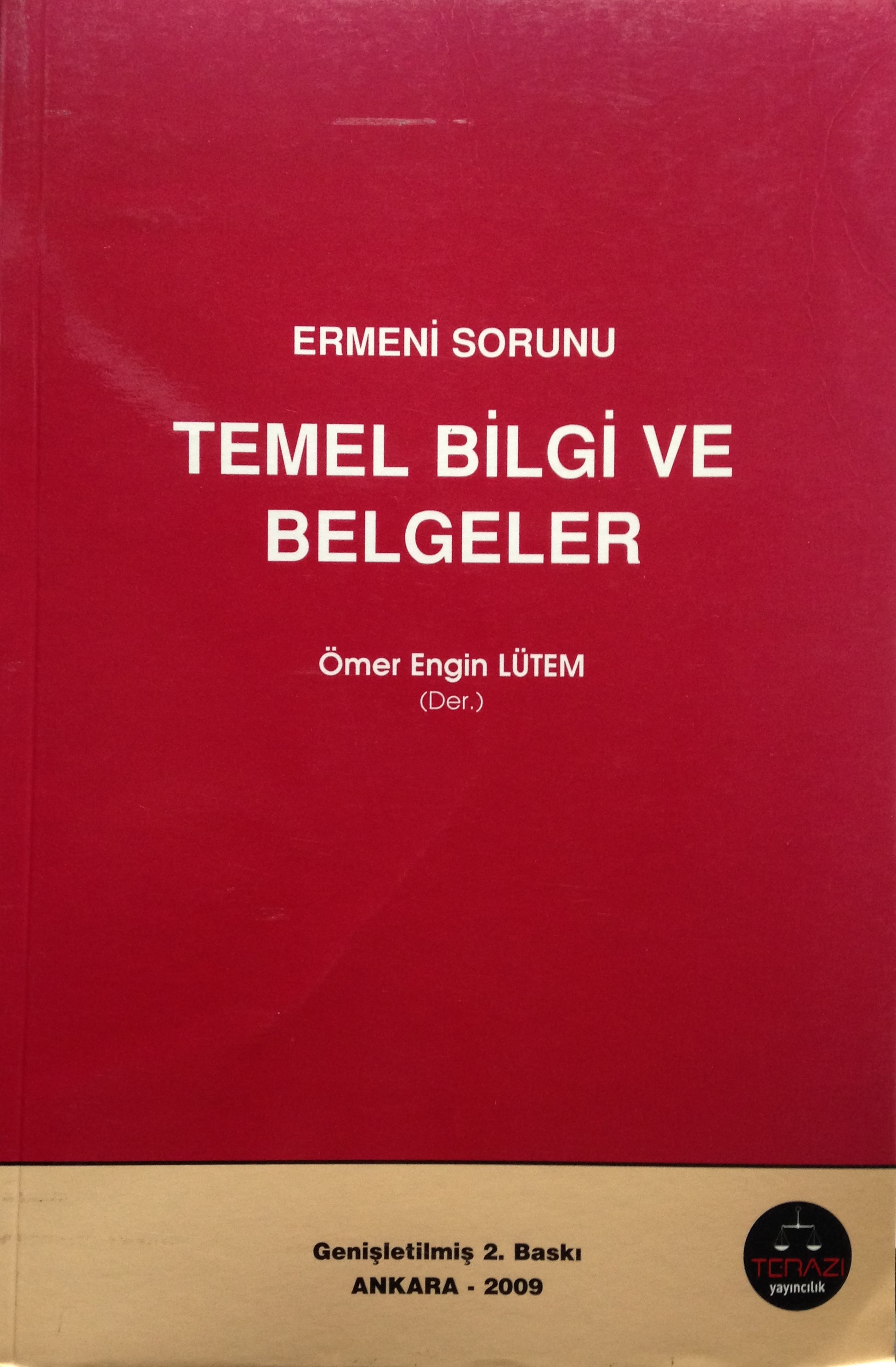
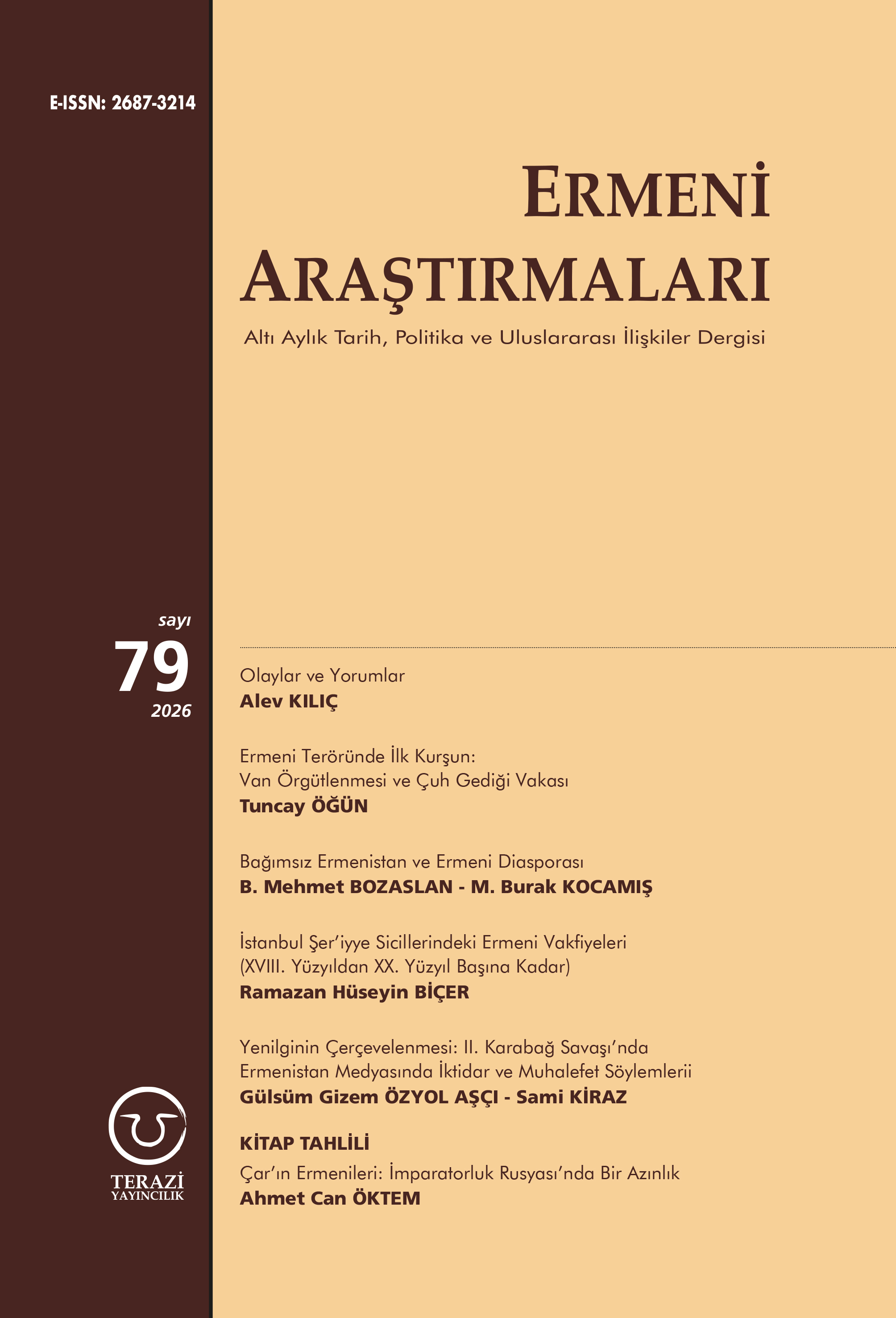
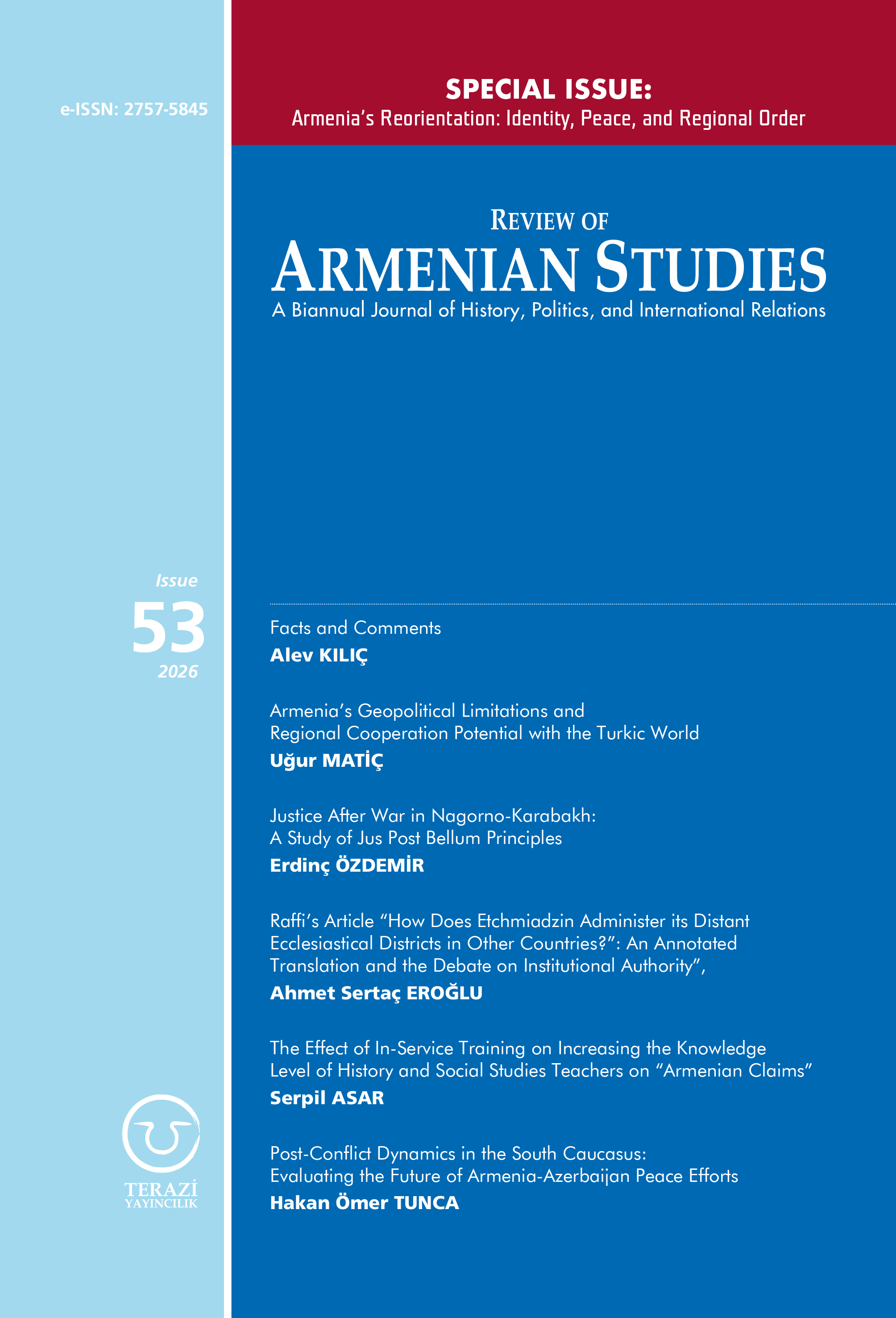
In recent years, notwithstanding the growing aggressiveness of the radical and militant elements of the Armenian diaspora, a general indifference is being observed concerning the anti-Turkish Armenian allegations that distort history. Hence, since the early 2000s, carefully prepared websites providing substantial content on the basis of historical facts, defying radical Armenian allegations, have been shutting down one by one, while those that remain in service continue to exist either in an unusable state or with severely limited functionality since neither their content nor their technical infrastructure have been updated. Websites created through individual initiative are likewise either closed or rendered inaccessible in a short period of time, owing to the death of their initiators or the gradual loss of their interest over the years.
The Tetedeturc website, which was among those with the richest content and had been established by representatives of the Turkish community in France, removed all its content related to the Armenian issue following an update. The TallArmenianTale website had not been updated since 2007, yet it continued to preserve its distinction as the most comprehensive English-language online resource on the Armenian Question. In addition to providing full-text access to a wide range of sources, the site had gained considerable popularity in the early 2000s thanks to the editor's personal responses and commentaries to various allegations and publications. Recently, however, this site was shut down entirely.
A website created under the leadership of the American professor Justin McCarthy within the framework of the University of Louisville website—which provided open access to full-text PDF versions of rare and hard-to-access works on the issue—was likewise closed following Professor McCarthy's retirement. Its closure is also a substantial loss.
Furthermore, the website of the Turkish Historical Society (Türk Tarih Kurumu-TTK) once maintained a dedicated section on the Armenian Question. Yet, its current version no longer features any such specialized section.
In addition to the sites that have been shut down, there are websites that continue to remain online but whose content and technical infrastructure have not been updated. Their failure to incorporate new documents, publications, findings, and discussions, coupled with technical issues that impede access to images, documents, and other materials on many of these sites, significantly restrict their usability.
The Armenians-1915 Blogspot, created by the late Şükrü Server Aya and left in almost an abandoned form following his death, is a case in point. Similarly, the website of the Center for Turkish-Armenian Relations Studies (Türk-Ermeni İlişkileri Araştırma Merkezi) at Sakarya University has not been updated in both content and technical infrastructure for a long time. The website ErmeniSorunu.gen.tr suffers from a comparable level of neglect.
Websites belonging to Turkish diaspora organizations abroad, which for many years defended the Turkish position on this issue, likewise remain in a similar passive state. The website of the Assembly of Turkish American Associations (ATAA) exhibits a comparable stagnation, a condition that equally applies to the organization's counterparts in Canada and Australia.
Under these circumstances, the only website that actively monitors the issue and engages with current information, findings, and discussions is that of the Center for Eurasian Studies (Avrasya İncelemeleri Merkezi-AVİM).
Recent political developments in Armenia, Prime Minister Nikol Pashinyan's “Real Armenia” discourse, and the ongoing process of Türkiye-Armenia normalization have opened the path for softening the anti-Turkish Armenian allegations. These developments have likewise exposed the true intentions of third parties that promoted such allegations. Consequently, with exception of radical and militant Armenian diaspora groups, the credibility accorded to these claims in the international arena has weakened.
Nevertheless, it has become evident that, despite all this, Türkiye must remain vigilant. The accumulated online knowledge on this issue is being lost, is not being updated, and a decline is observable in the interest and expertise of the new generation of Turkish diaspora members and institutions on subject. The absence of websites capable of serving as databases for academics and students is also felt as an indicator of the diminishing interest in the subject.
This situation has resulted in the absence of an easily and rapidly accessible dataset and reference point for individuals who are interested in the subject, who wish to acquire knowledge, or who find themselves confronted with it in one form or another—thereby facilitating the uncritical acceptance of the accusations advanced under the framework of Armenian allegations. For this reason, the founding of websites that would engage with the issue and be actively kept up to date, as well as the updating and reactivation of existing passive websites, remains to be an issue of critical importance.
© 2009-2025 Center for Eurasian Studies (AVİM) All Rights Reserved

















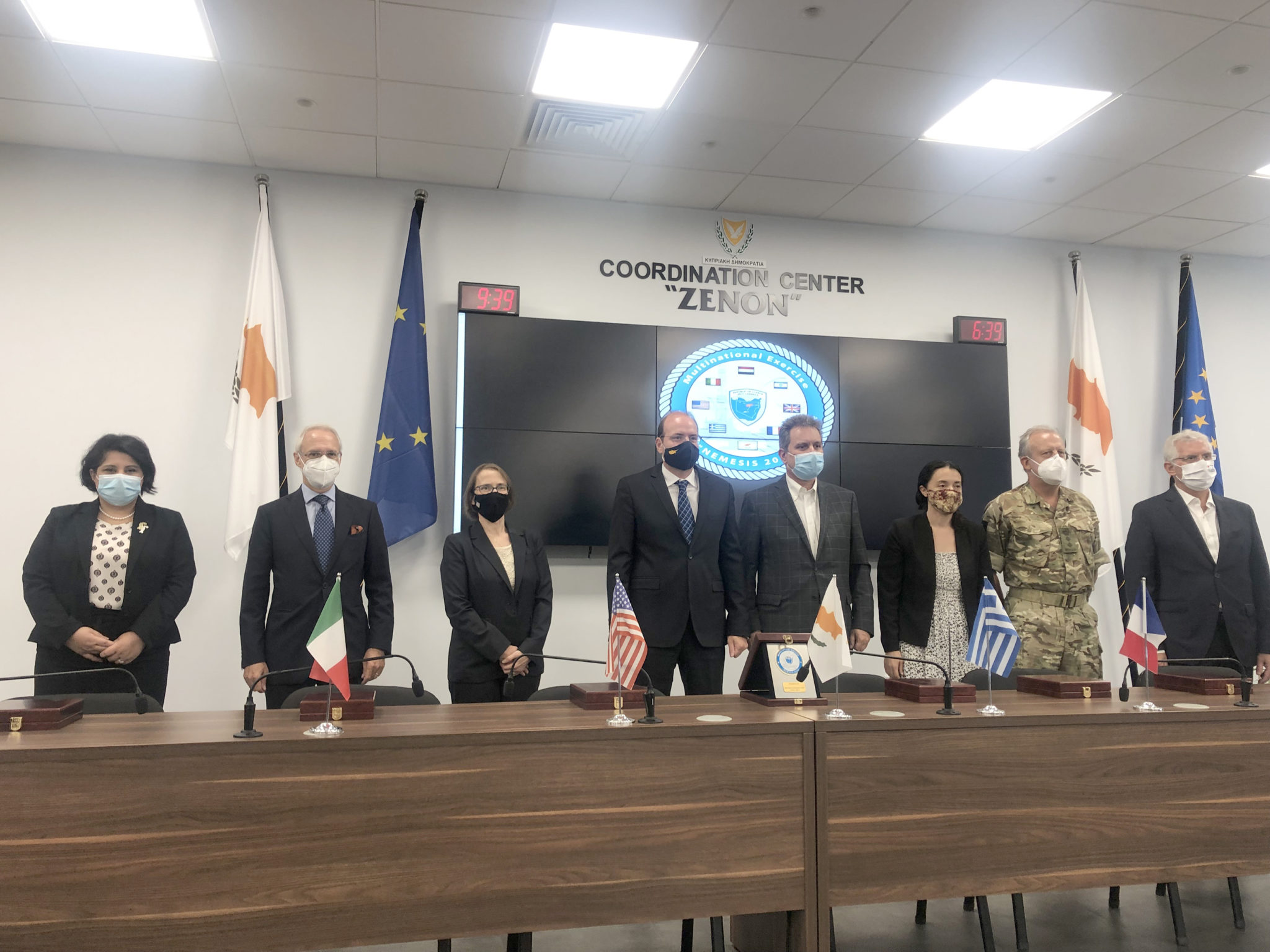 NAVAL EXERCISE "OPERATION NEMESIS" IN THE EASTERN MEDITERRENIAN AND ITS CONNOTATIONS
 THE FORGED LETTERS ATTRIBUTED TO BAHAETTIN ŞAKIR AND MANIPULATIONS OF TANER AKÇAM
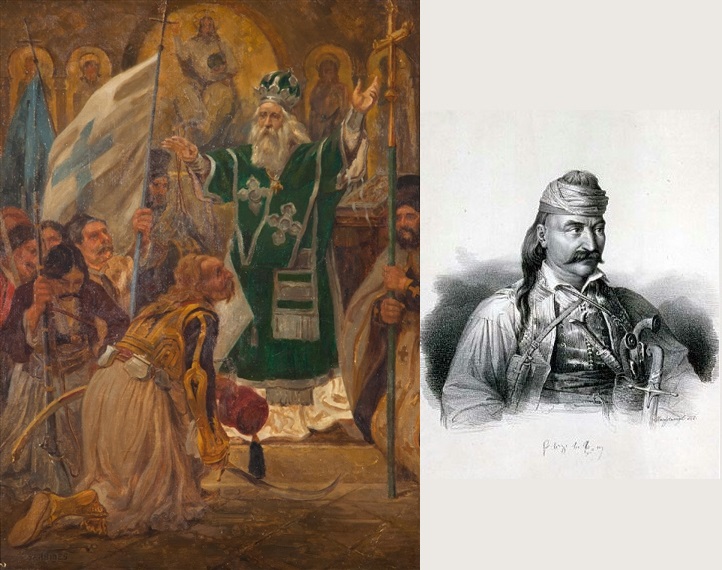 THE GREEK INDEPENDENCE: MEMORY AND POLITICS, THE US PRESIDENT RUBS SALT TO THE WOUND
 PRESIDENT SARGSYAN’S RESPONSE TO THE INVITATION FOR THE COMMEMORATION CEREMONIES OF THE 100TH ANNIVERSARY OF THE BATTLE OF GALLIPOLI
 FREEDOM OF EXPRESSION
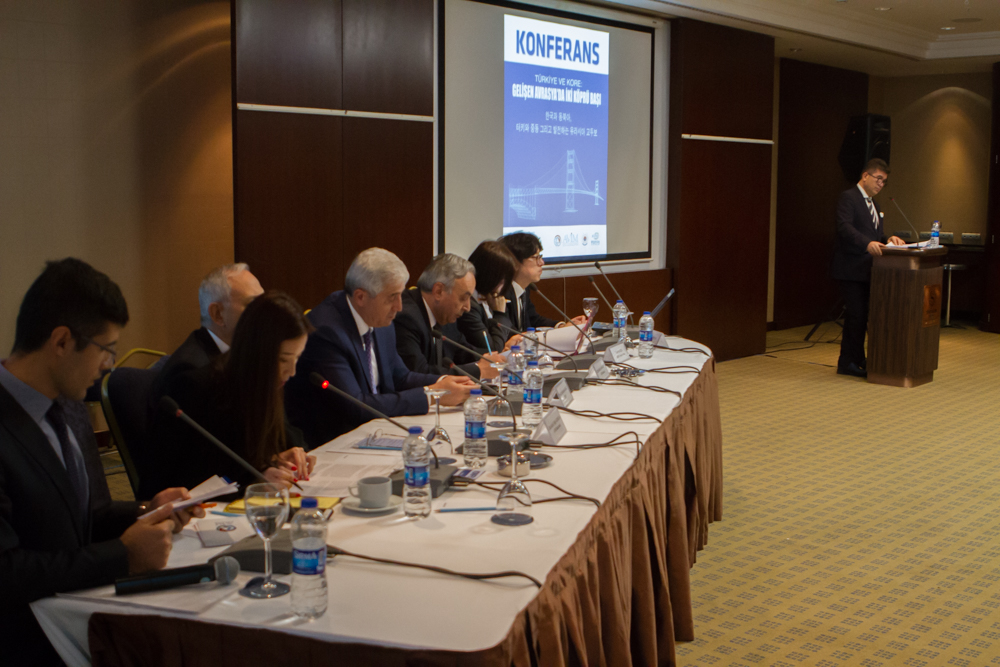 CONFERENCE ENTITLED “TÜRKİYE VE KORE: GELİŞEN AVRASYA’DA İKİ KÖPRÜ BAŞI” (TURKEY AND KOREA: TWO BRIDGEHEADS IN THE THRIVING EURASIA)
 INTERNAL TURMOIL IN GEORGIA
 THE CHURCH'S POLITICAL OPPOSITION IN ARMENIA AND THE DIFFERENCES OF OPINION IT CREATES IN THE DIASPORA