















Academic publishing is vital for scholarly progress. It is the main channel by which new ideas are shared, examined, questioned, and added to our overall knowledge. The goal is clear; evidence, reasoning, and healthy debate should decide which ideas are accepted and which are not. However, there is a growing concern that the current publishing landscape does not always follow these ideals. Rather than being an open venue for ideas, contributions, and debates, academic publishing now resembles an echo chamber where dominant views, even those that reveal a myriad of problems, are constantly circulated and repeated without a rigorous examination, while dissenting or unconventional ideas, even when the research and writing is of extremely high quality, face high obstacles to publication. This is certainly the case in the late Ottoman history, and in particular, on the 1915 Event involving Ottoman Muslims and Armenians.
This critique does not oppose peer review itself. Critical evaluation is vital for upholding scholarly standards. Instead, it points to a system that can, whether by design or accident, keeps certain viewpoints from reaching the stage for open debate. A thriving academic culture should embrace disagreement and learn from it. It should welcome challenging views because knowledge and scholarship grow not through echo chambers but through testing assumptions, even those widely shared ones. In the last decades, this fundamental principle of scholarly process and progress has been dropped in favor of what is called “political correctness” that privileges the standard and nationalist Armenian perspective as the single and unquestionable interpretation for the broad history of the Ottoman-Armenian relations.
One major criticism of today’s academic publishing is the concentration of influence over what counts as “publishable scholarship”. Despite thousands of journals across many fields, a small number of prestigious journals often dictate which research gets noticed, funded, acknowledged, and rewarded. Editorial boards, reviewers, and disciplinary networks inevitably shape the academic conversation. While these processes aim to maintain quality, they can also reinforce established intellectual norms.
Scholars who are engaged in high quality research and historiographic contribution are often denied the opportunity to share the products of their scholarship because they disagree and dispute the dominant narratives on how the 1915 Events should be interpreted. The result is that in the last two decades, many works of questionable value in terms of research and more importantly those which misrepresent their evidence have been allowed to dominate a field without a single criticism and correction. Scholars who deliberately mistranslate and present quotes out of their context and whose books are filled with serious factual errors regarding the 1915 Event are allowed publish those works precisely because the existing system of academic publishing allows them a monopoly so that there is no one left in system to check and correct these.
The same can be said not just about the 1915 Events, but about any controversial topic involving Türkiye and the Turks; be it Cyprus Question, Turkish-Greek relations, or Türkiye’s accession process to the European Union. The academic publishing world is strictly closed and has locked the door against Turkish narratives that counter those dominant views deeply entrenched in the West, no doubt influenced by historical Muslim-Christian rivalry and hostility but also by the five-century Ottoman rule in Southeastern Europe.
Increasingly, this pattern itself is no longer limited to those communities with whom the West was historically at odds with, but those diverging views within the West itself. This situation justifies the impression that there is a monopoly over scholarly publishing. The issue is less about ownership and more about who decides what is considered valid work. Diverging perspectives may be delayed, dismissed, or rejected before they have a chance to be assessed by the broader academic community. Instead of entering public scholarly debate, many controversial ideas vanish during the review process.
This approach raises a crucial philosophical question; who should decide the quality of a scholarly argument? If a study is weak, flawed, or lacks support, it should receive criticism. However, criticism is not the same as suppression. The right response to questionable scholarship should be engagement, not exclusion.
Readers, researchers, and the broader academic community can evaluate arguments for themselves. If a published study has significant flaws, other scholars can publish critical responses, point out weaknesses, challenge its conclusions, or provide better evidence. This process is at the heart of scientific inquiry. Publication should not mean unquestionable truth; it should signal the start of critical examination.
The strength of scholarship lies in its openness to criticism. Every published work should be open to ongoing review, replication, debate, and revision. Authors should expect criticism and be ready to defend their methods and conclusions. Critics, in turn, should be open to having their own assumptions questioned. Intellectual humility means being willing to not only criticize but also accept criticism and, when justified, revise one’s own views.
Unfortunately, the existing publishing climate no longer allows for this free spirit of debate and ideas. Instead of letting controversial ideas be published and debated, the system may block such ideas from entering scholarly discourse entirely. Whether due to editorial caution, reviewer bias, institutional motivations, or reputational fears, the outcome is often the same; some discussions never happen because certain viewpoints do not become visible enough to be examined.
The tendency to control publication channels rather than encourage intellectual competition has significant long-term consequences. When only certain viewpoints consistently receive publication opportunities, scholarship suffers the risk of becoming increasingly uniform. Researchers start to ask narrower questions, use familiar methods, and draw conclusions that align with existing expectations. Innovation turns into incremental change rather than transformative breakthroughs, as intellectual risk brings professional costs.
Academic careers rely heavily on publication records. Factors like hiring, promotion, tenure, grant funding, and professional reputation tie closely to publishing success. Scholars quickly learn which topics are considered safe, which conclusions are likely to be viewed positively, and which questions might jeopardize their future. This creates a conformism, akin to an official party-line maintained in totalitarian regimes, whereby scholars and intellectuals are forced to embrace the “right” position.
This structure sets off not only a harmful cycle but also allows dominant narratives to commit blunders, and even hold extreme views. For example, the Armenian-American scholar Elyse Semerdjian made extremely racist and offensive remarks about the Turkish earthquake victims in 2023 but she faced no consequences, precisely because she belongs to the so-called mainstream line. This approach is therefore fundamentally not interested in “what” is as opposed to “who” says “what” and against “whom.”
True scholarship demands something different. Its main goal should be the pursuit of truth rather than the maintenance of existing opinion. Every conclusion should remain open to revision in light of better evidence or stronger arguments. Intellectual progress relies on the readiness to question even widely accepted beliefs.
Such principles would not lower academic standards. Instead, they would reinforce them. Poor studies would still face criticism, flawed methods would be exposed, and unsupported conclusions would be dismissed. The difference is that these judgments would happen within an open scholarly evaluation process rather than through prior exclusion. Readers, researchers, and the broader academic community would help determine which ideas endure.
Ultimately, the credibility of scholarship relies not on unanimity but on openness, a principle completely dropped in Turkish and Ottoman studies, especially in the context of the 1915 Events. Knowledge grows when ideas compete fairly, when criticism is welcomed rather than feared, and when even deeply held beliefs are open to challenge. Academic publishing fulfills its greatest purpose not by shielding dogmatic viewpoints but by providing a space where competing arguments can be examined honestly and rigorously. If scholarship is to remain a true quest for truth rather than an exercise in intellectual conformity, it must foster an environment of free and informed debate.
© 2009-2025 Center for Eurasian Studies (AVİM) All Rights Reserved
No comments yet.
-
 AVIM’S CONFERENCE ENTITLED SECURITY AND STABILITY CONCERNS IN SOUTH CAUCASUS
AVİM 17.06.2015 -
 INTERNATIONAL FIRST WORLD WAR SYMPOSIUM (TURKISH-RUSSIAN PERSPECTIVE) HELD ON 12-15 NOVEMBER 2015
AVİM 25.11.2015 -
 RELIGIOUS POLARIZATION IN LINE WITH DEMOGRAPHIC CHANGES AND ITS EFFECT ON POLITICS
AVİM 20.07.2016 -
 AVIM WEBINAR VIDEO REMOVED FROM A SOCIAL MEDIA PLATFORM HAS BEEN REINSTATED
AVİM 27.06.2022 -
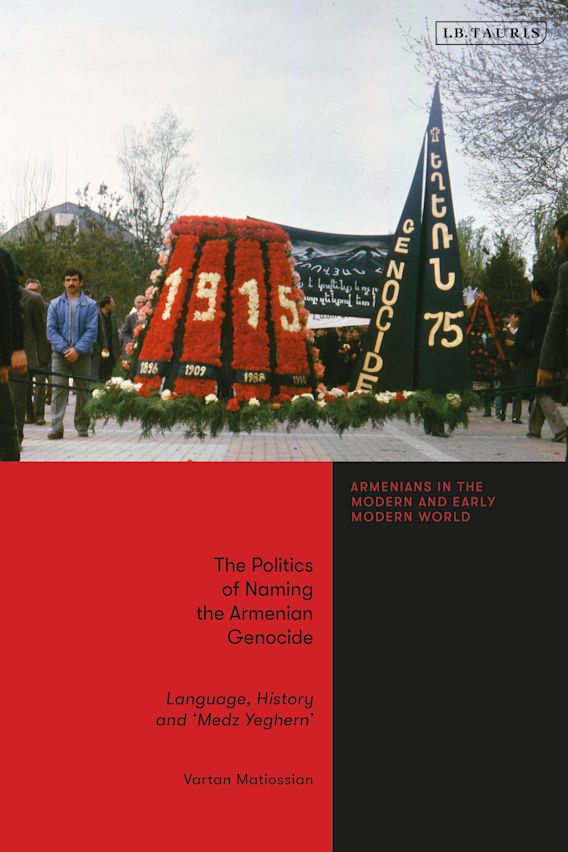 THE POLITICS OF NAMING THE 1915 EVENTS
AVİM 18.11.2021
-
 BIASED INITIATIVES BY THE EUROPEAN ACTORS FOR NAGORNO KARABAKH
Teoman Ertuğrul TULUN 28.03.2018 -
TAIWAN (REPUBLIC OF CHINA) COULD BE SIGNIFICANT IN TURKEY’S OPENING TO ASIA.
Alev KILIÇ 07.11.2013 -
 RELATIONS BETWEEN THE PKK AND ASALA
Sean Patrick SMYTH 29.05.2017 -
 THAI COURT RULES PM MUST STEP DOWN, WITH NO END TO TURMOIL IN SIGHT
Hande Apakan 06.05.2014 -
 NO PERMISSION TO SO-CALLED GENOCIDE MONUMENT ATTEMPTS IN SWEDEN
Hazel ÇAĞAN ELBİR 08.03.2018
-
25.01.2016
THE ARMENIAN QUESTION - BASIC KNOWLEDGE AND DOCUMENTATION -
12.06.2024
THE TRUTH WILL OUT -
27.03.2023
RADİKAL ERMENİ UNSURLARCA GERÇEKLEŞTİRİLEN MEZALİMLER VE VANDALİZM -
17.03.2023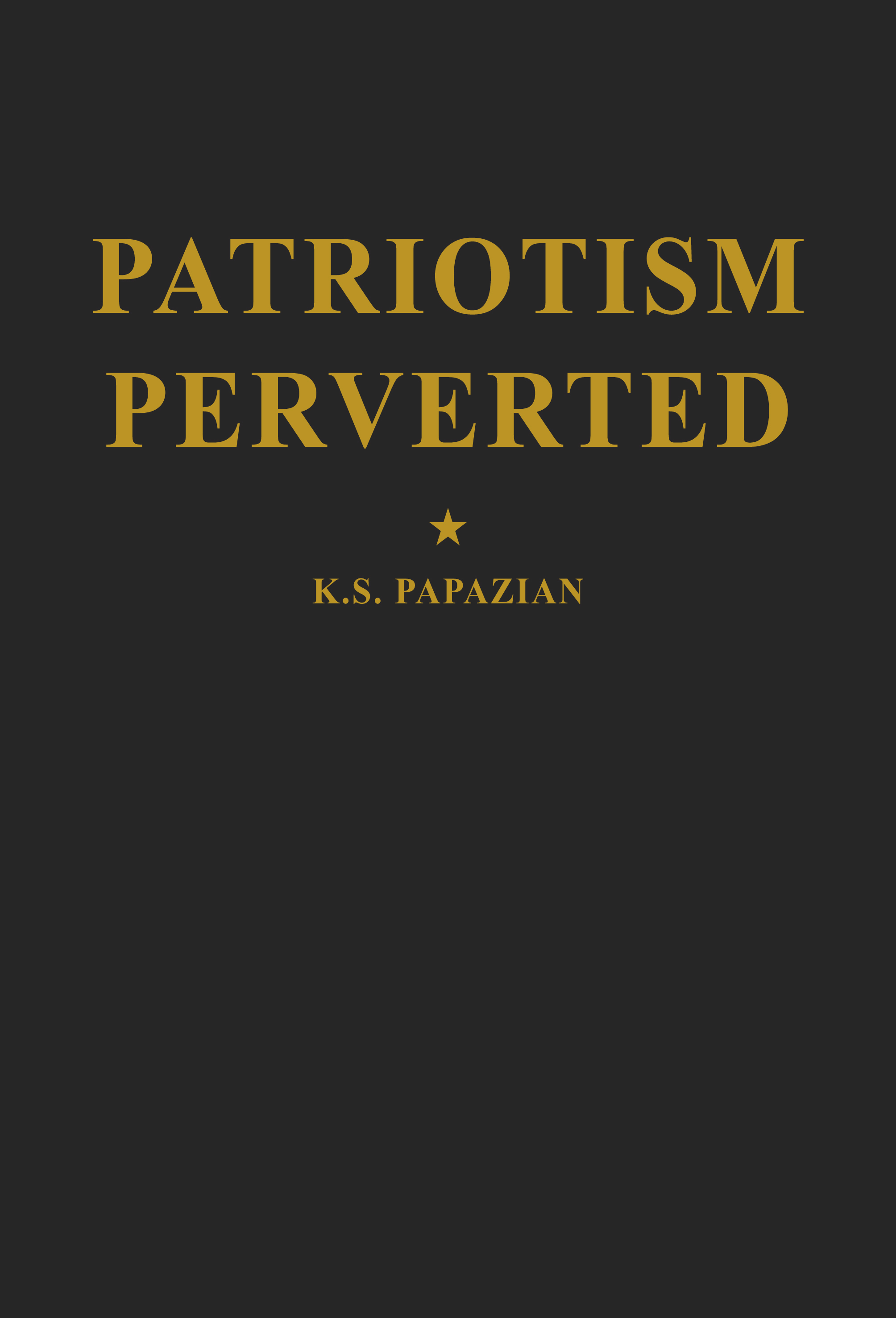
PATRIOTISM PERVERTED -
23.02.2023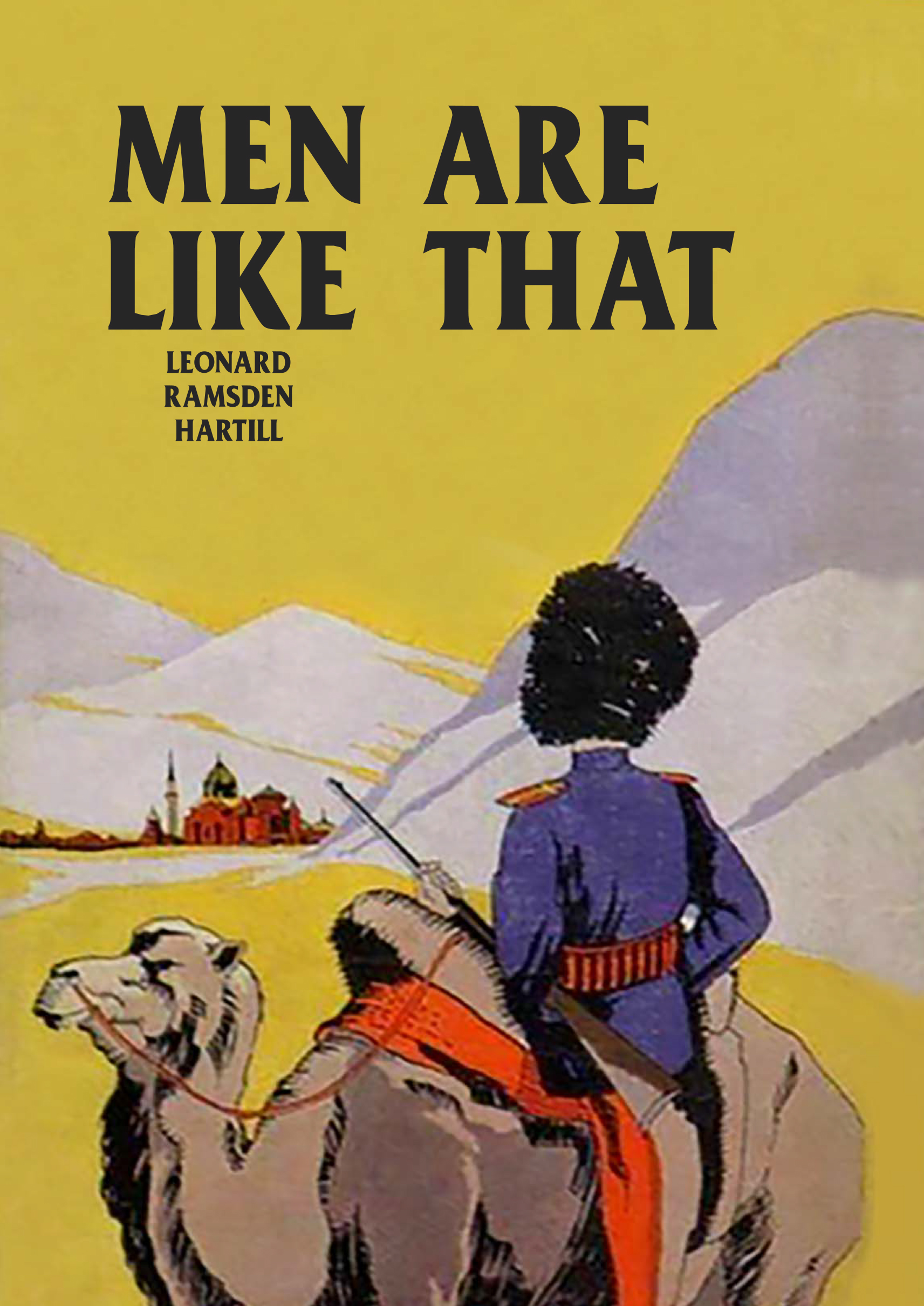
MEN ARE LIKE THAT -
03.02.2023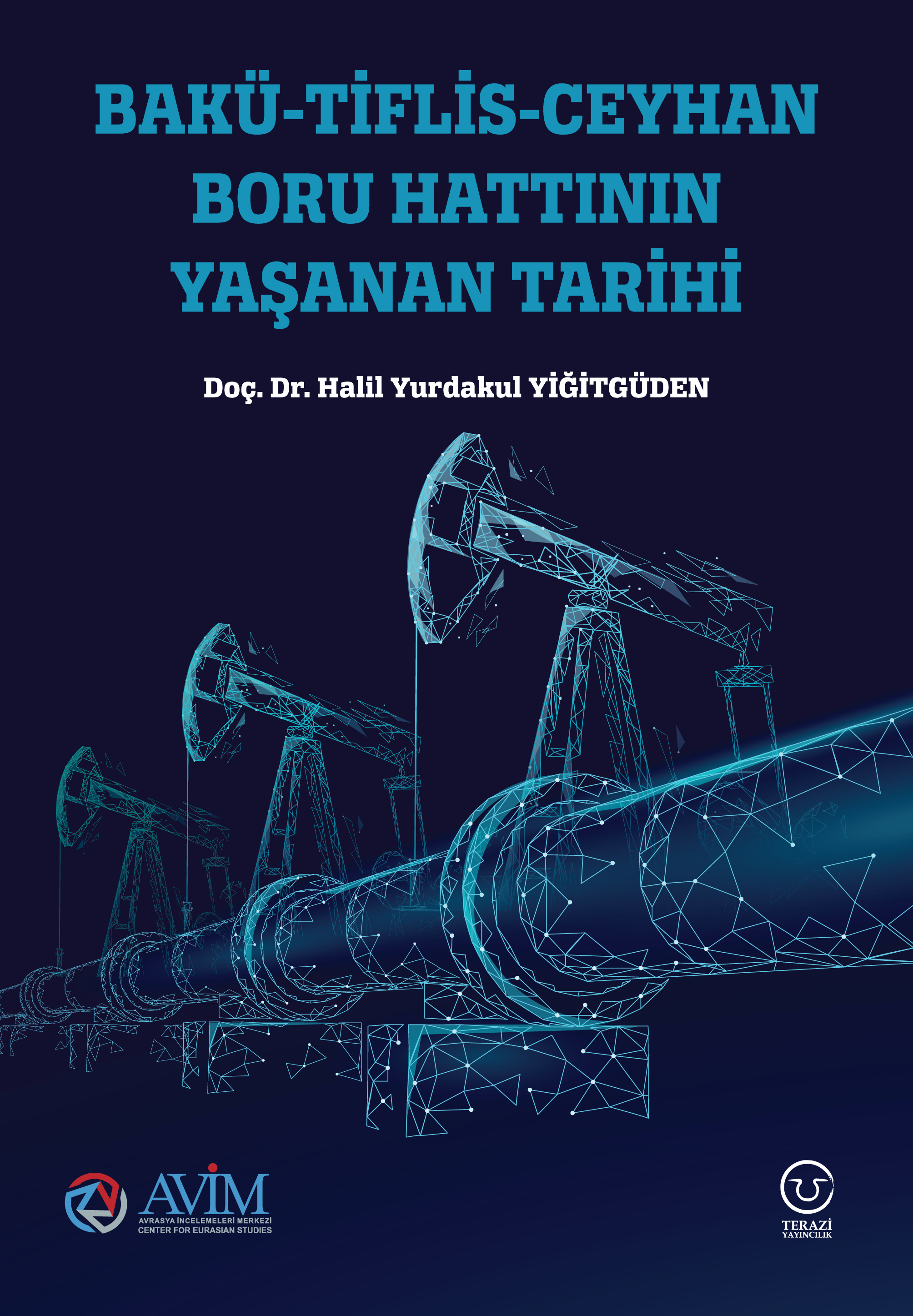
BAKÜ-TİFLİS-CEYHAN BORU HATTININ YAŞANAN TARİHİ -
16.12.2022
INTERNATIONAL SCHOLARS ON THE EVENTS OF 1915 -
07.12.2022
FAKE PHOTOS AND THE ARMENIAN PROPAGANDA -
07.12.2022
ERMENİ PROPAGANDASI VE SAHTE RESİMLER -
01.01.2022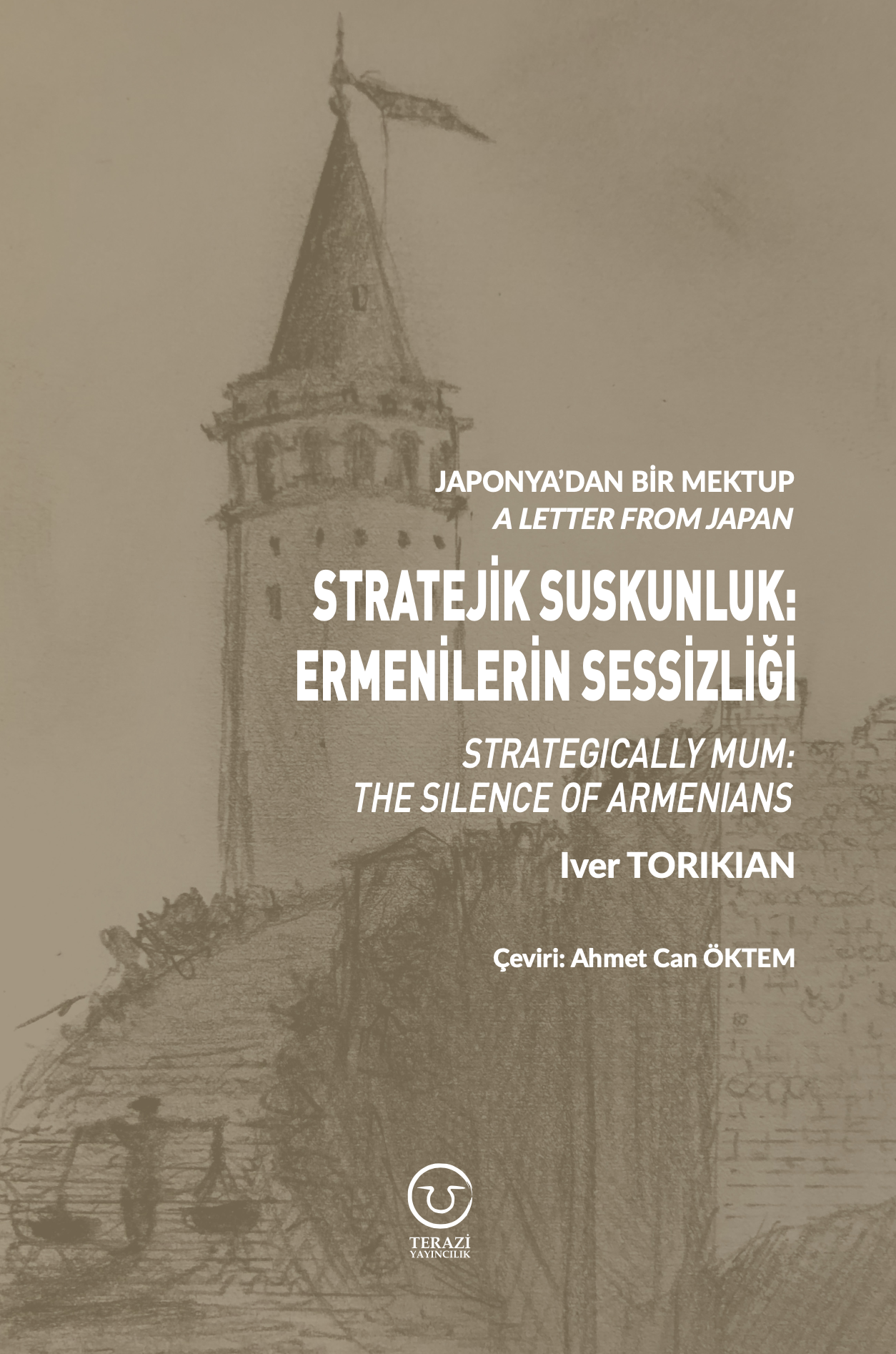
A Letter From Japan - Strategically Mum: The Silence of the Armenians -
01.01.2022
Japonya'dan Bir Mektup - Stratejik Suskunluk: Ermenilerin Sessizliği -
03.06.2020
Anastas Mikoyan: Confessions of an Armenian Bolshevik -
08.04.2020
Sovyet Sonrası Ukrayna’da Devlet, Toplum ve Siyaset - Değişen Dinamikler, Dönüşen Kimlikler -
12.06.2018
Ermeni Sorunuyla İlgili İngiliz Belgeleri (1912-1923) - British Documents on Armenian Question (1912-1923) -
02.12.2016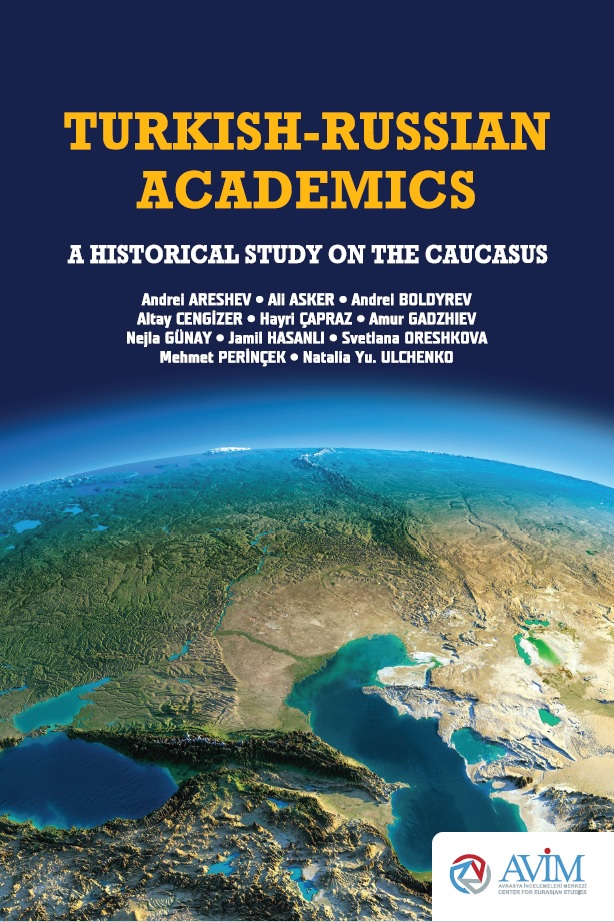
Turkish-Russian Academics: A Historical Study on the Caucasus -
01.07.2016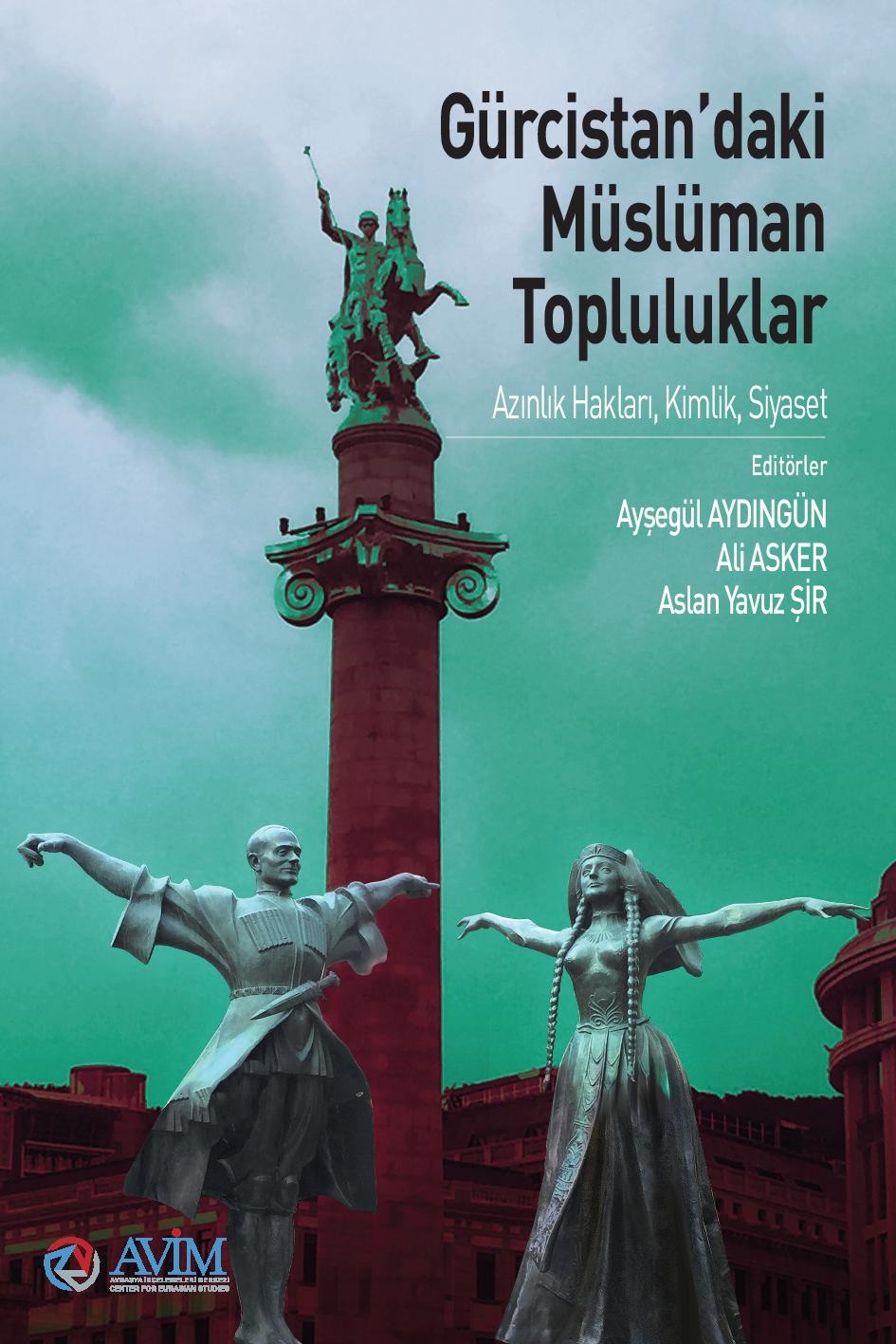
Gürcistan'daki Müslüman Topluluklar: Azınlık Hakları, Kimlik, Siyaset -
10.03.2016
Armenian Diaspora: Diaspora, State and the Imagination of the Republic of Armenia -
24.01.2016
ERMENİ SORUNU - TEMEL BİLGİ VE BELGELER (2. BASKI)
-
AVİM Conference Hall 24.01.2023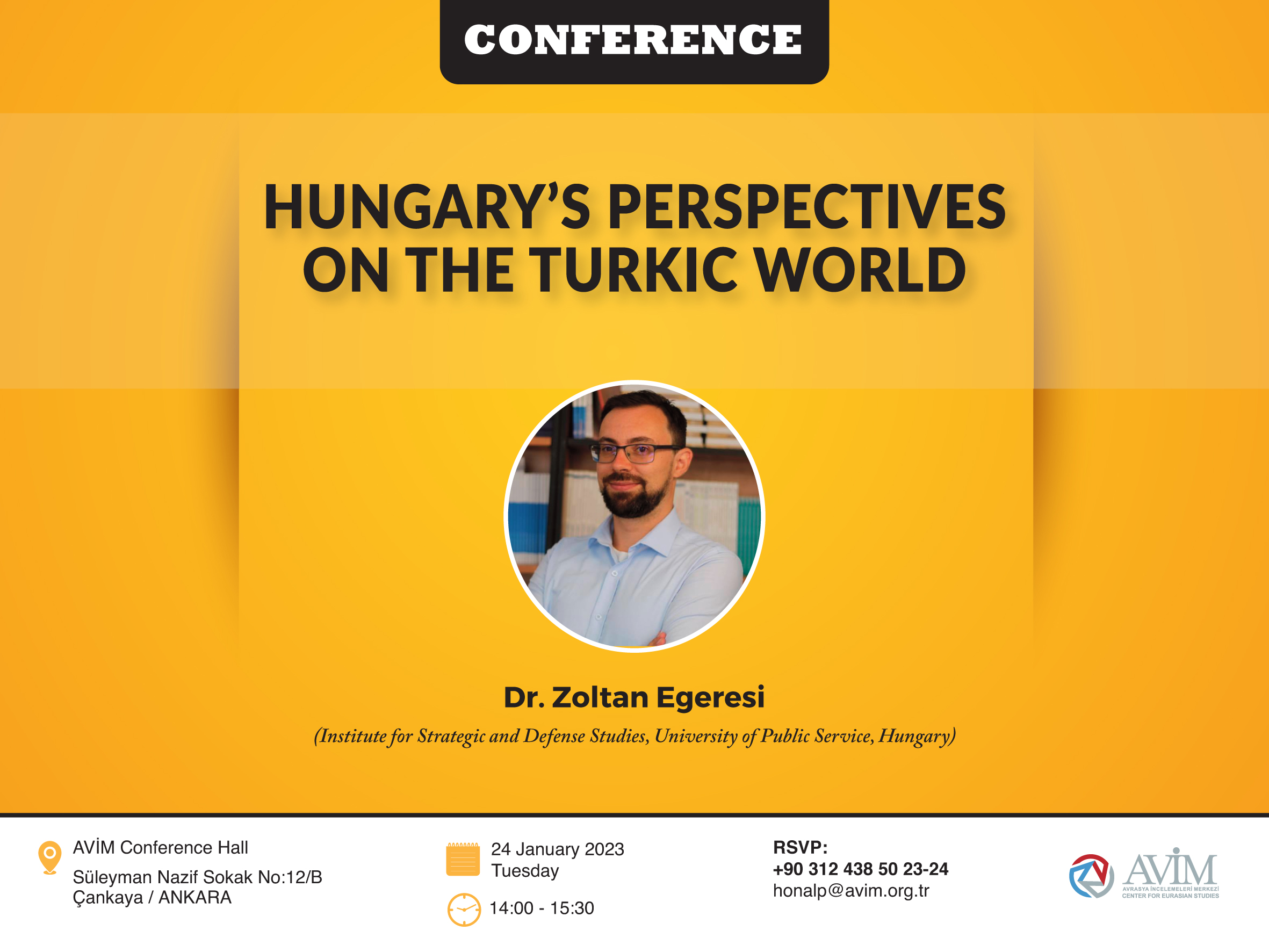
CONFERENCE TITLED “HUNGARY’S PERSPECTIVES ON THE TURKIC WORLD"