

















EurActiv (13 February 2020)
The UN Security Council on Wednesday (12 February) adopted a resolution calling for a “lasting ceasefire” in war-torn Libya, where a fragile truce has been in place since January.
The text, drafted by Britain, was approved by 14 votes out of 15, with Russia abstaining.
It was subject to weeks of wrangling, reflecting deep international divisions over Libya despite world leaders recently agreeing to end all foreign interference in the country and to uphold a weapons embargo.
The resolution affirmed “the need for a lasting ceasefire in Libya at the earliest opportunity, without pre-conditions.”
It also expressed “concern over the growing involvement of mercenaries in Libya.”
Russia had pushed to replace the word “mercenaries” with “foreign terrorist fighters,” but was unsuccessful.
Libya, Africa’s most oil-rich nation, has been mired in chaos since the 2011 NATO-backed uprising that toppled and killed longtime dictator Muamar Gaddafi.
Since April 2019, the UN-recognized Government of National Accord (GNA) has fought back against an offensive by military commander Khalifa Haftar, who is supported by Russia, Egypt and the United Arab Emirates.
Russia ‘plays games for fun’ in Libya
Taking advantage of the weakness and divisions of the EU, and the lack of interest of the US, Russia “plays games for fun” in Libya, expending little effort, but potentially obtaining important dividends, analysts said at an event in Brussels on Wednesday (26 April).
A fragile ceasefire was established on 12 January and at an international summit in Berlin a week later, world leaders agreed to end all foreign interference in Libya and to uphold a weapons embargo.
But there are still near-daily clashes near Tripoli and arms continue to flow into the country.
Moscow is accused of sending several thousand mercenaries from the private Russian security company Wagner to support Haftar, who controls much of the south and east of Libya. Russia denies any involvement.
During negotiations, the United States demanded the Wagner group be clearly identified in the text, diplomats told AFP, before accepting the sole mention of “mercenaries.”
The deputy US ambassador to the UN, Cherith Norman Chalet, lamented after the vote that the Council was not united.
“It’s also very unfortunate that foreign mercenaries, including from the Kremlin-linked Wagner group, are making an inclusive political solution harder to achieve,” she said.
Russia’s UN ambassador, Vasily Nebenzia, said his country abstained because of doubts in Moscow about the possibility of enforcing the resolution when the warring parties had not yet agreed to the terms of the ceasefire.
More talks on horizon
The resolution called for continued negotiations by the joint military commission set up in January between the two sides, with the goal of achieving a “permanent ceasefire.”
This would include a monitoring system, a separation of forces and confidence-building measures.
The commission’s Geneva meeting ended Saturday without a resolution, but the UN proposed resuming talks from 18 February.
The resolution also called on UN Secretary-General António Guterres to submit proposals for monitoring the ceasefire “as soon as possible, when a ceasefire is agreed by the Libyan parties.”
It also called on regional organizations, “notably the African Union, League of Arab States and European Union” to collaborate in order to “support the UN” in its search for a political solution and supervision of a ceasefire.
More than 1,000 people have died in the clashes between Haftar and the GNA, while another 140,000 have been displaced, according to the UN.
No comments yet.
- ANOTHER US CITY PASSES RESOLUTION AGAINST INDIA'S CITIZENSHIP LAW Asia - Pacific 13.02.2020
-
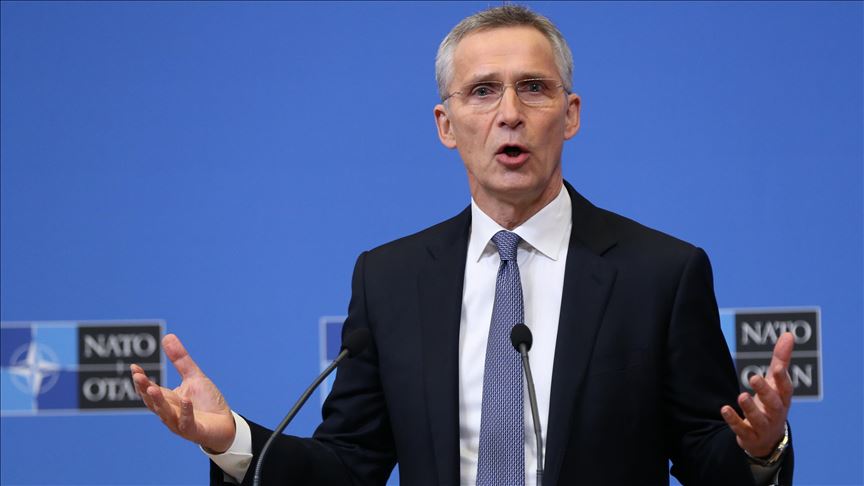 NATO TO EXPAND MISSION IN IRAQ
Iraq
13.02.2020
NATO TO EXPAND MISSION IN IRAQ
Iraq
13.02.2020
-
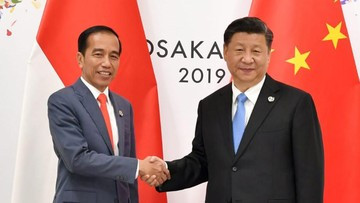 INDONESIA TO ‘STAND TOGETHER WITH CHINA’ IN BATTLE AGAINST COVID-19, JOKOWI TELLS XI
Asia - Pacific
13.02.2020
INDONESIA TO ‘STAND TOGETHER WITH CHINA’ IN BATTLE AGAINST COVID-19, JOKOWI TELLS XI
Asia - Pacific
13.02.2020
-
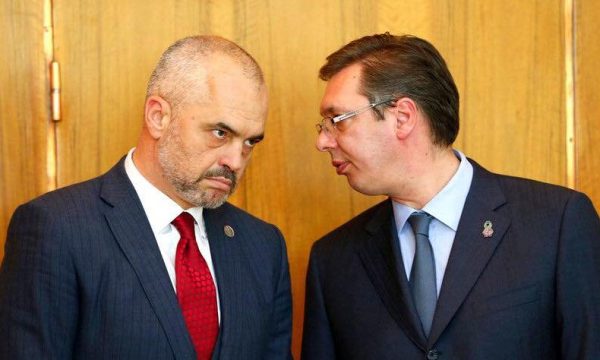 SERBIA DRAFTS AGREEMENT ON BALKANS ‘MINI-SCHENGEN’
The Balkans
13.02.2020
SERBIA DRAFTS AGREEMENT ON BALKANS ‘MINI-SCHENGEN’
The Balkans
13.02.2020
-
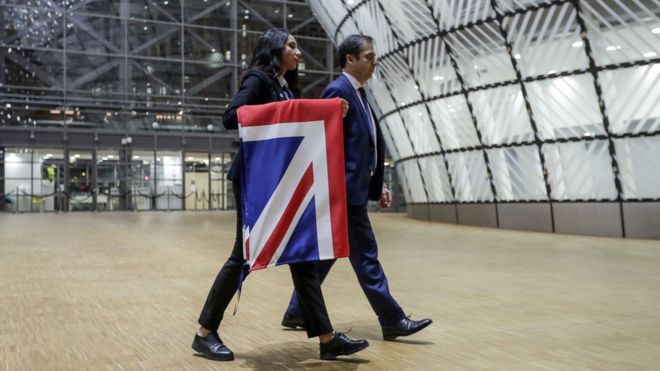 BREXIT: EU PARLIAMENT MAKES TOUGH DEMANDS FOR TALKS
Europe - EU
13.02.2020
BREXIT: EU PARLIAMENT MAKES TOUGH DEMANDS FOR TALKS
Europe - EU
13.02.2020
-
25.01.2016
THE ARMENIAN QUESTION - BASIC KNOWLEDGE AND DOCUMENTATION -
12.06.2024
THE TRUTH WILL OUT -
27.03.2023
RADİKAL ERMENİ UNSURLARCA GERÇEKLEŞTİRİLEN MEZALİMLER VE VANDALİZM -
17.03.2023
PATRIOTISM PERVERTED -
23.02.2023
MEN ARE LIKE THAT -
03.02.2023
BAKÜ-TİFLİS-CEYHAN BORU HATTININ YAŞANAN TARİHİ -
16.12.2022
INTERNATIONAL SCHOLARS ON THE EVENTS OF 1915 -
07.12.2022
FAKE PHOTOS AND THE ARMENIAN PROPAGANDA -
07.12.2022
ERMENİ PROPAGANDASI VE SAHTE RESİMLER -
01.01.2022
A Letter From Japan - Strategically Mum: The Silence of the Armenians -
01.01.2022
Japonya'dan Bir Mektup - Stratejik Suskunluk: Ermenilerin Sessizliği -
03.06.2020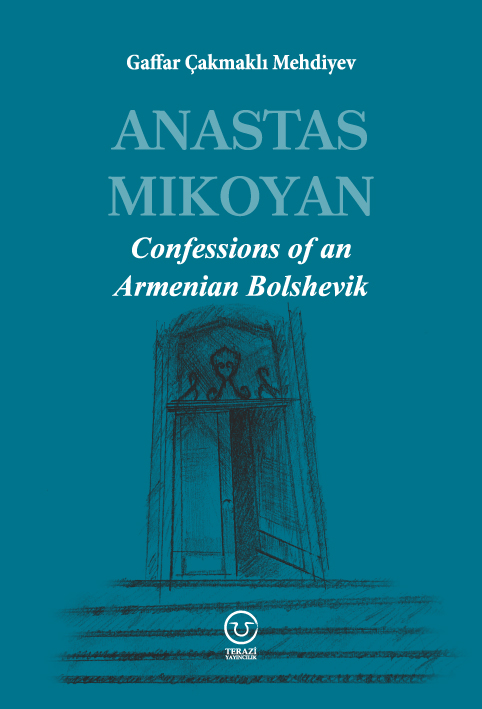
Anastas Mikoyan: Confessions of an Armenian Bolshevik -
08.04.2020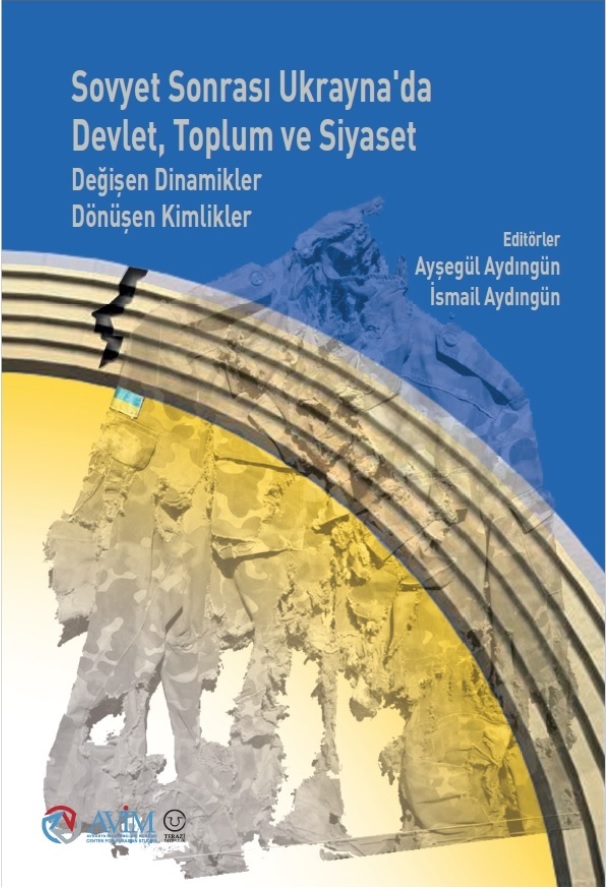
Sovyet Sonrası Ukrayna’da Devlet, Toplum ve Siyaset - Değişen Dinamikler, Dönüşen Kimlikler -
12.06.2018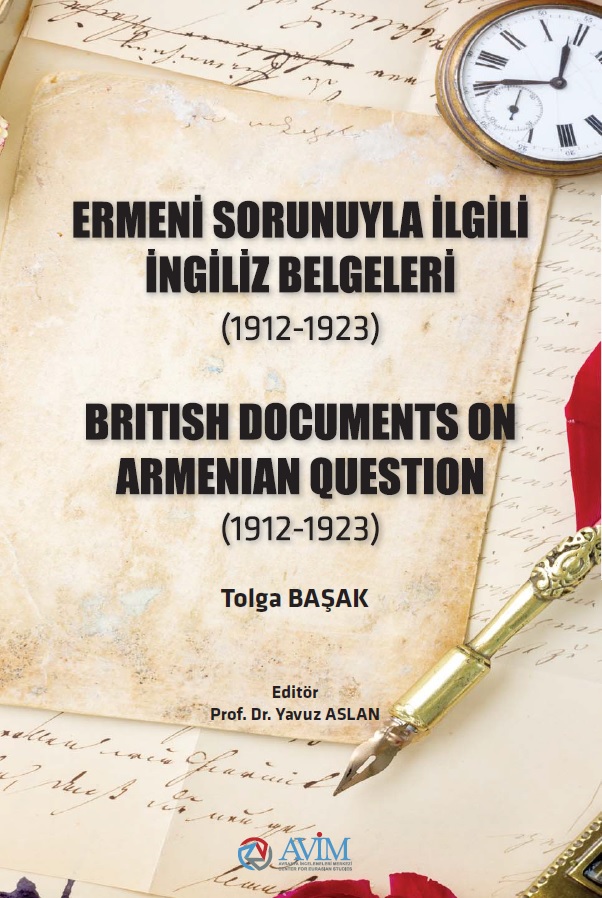
Ermeni Sorunuyla İlgili İngiliz Belgeleri (1912-1923) - British Documents on Armenian Question (1912-1923) -
02.12.2016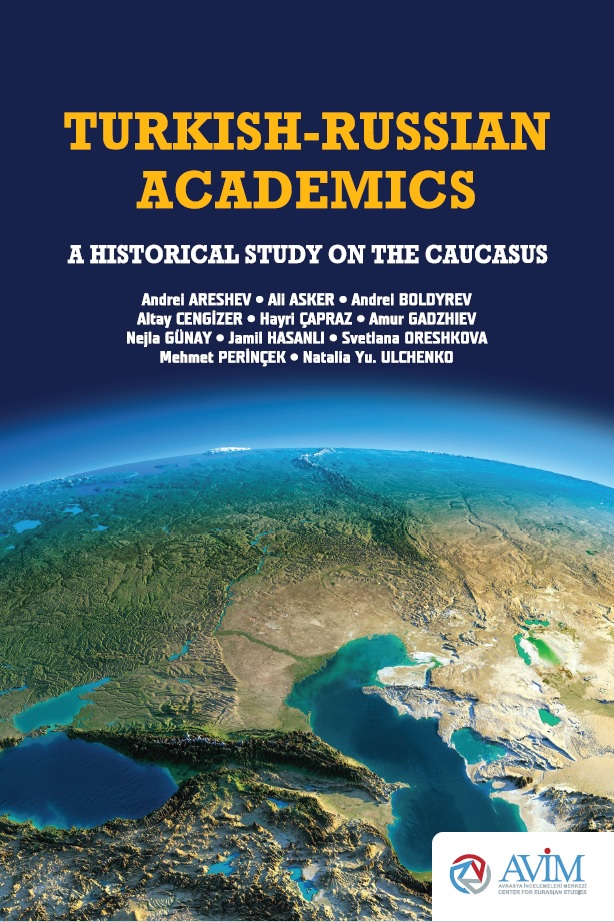
Turkish-Russian Academics: A Historical Study on the Caucasus -
01.07.2016
Gürcistan'daki Müslüman Topluluklar: Azınlık Hakları, Kimlik, Siyaset -
10.03.2016
Armenian Diaspora: Diaspora, State and the Imagination of the Republic of Armenia -
24.01.2016
ERMENİ SORUNU - TEMEL BİLGİ VE BELGELER (2. BASKI)

-
AVİM Conference Hall 24.01.2023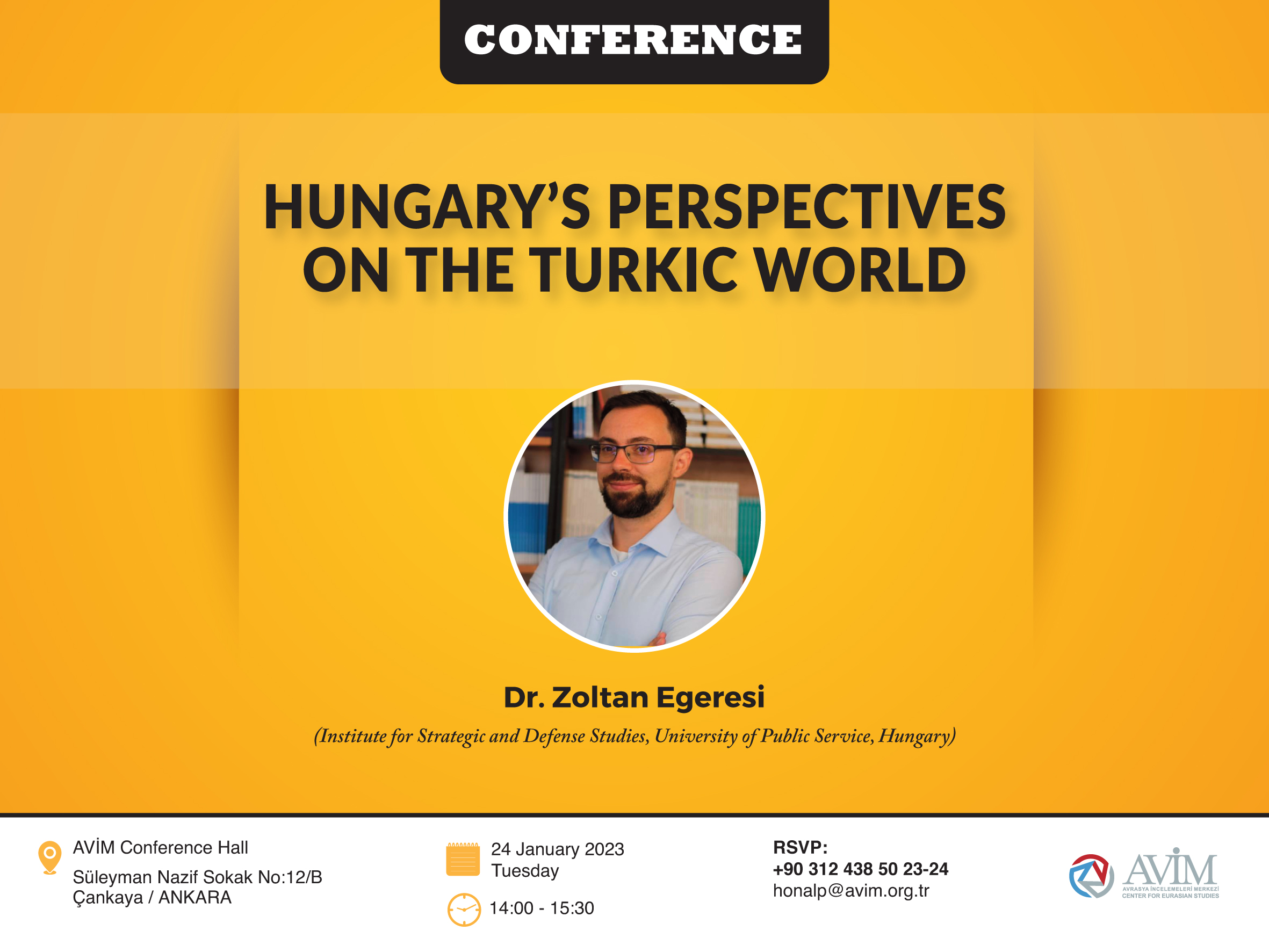
CONFERENCE TITLED “HUNGARY’S PERSPECTIVES ON THE TURKIC WORLD"