














Introduction
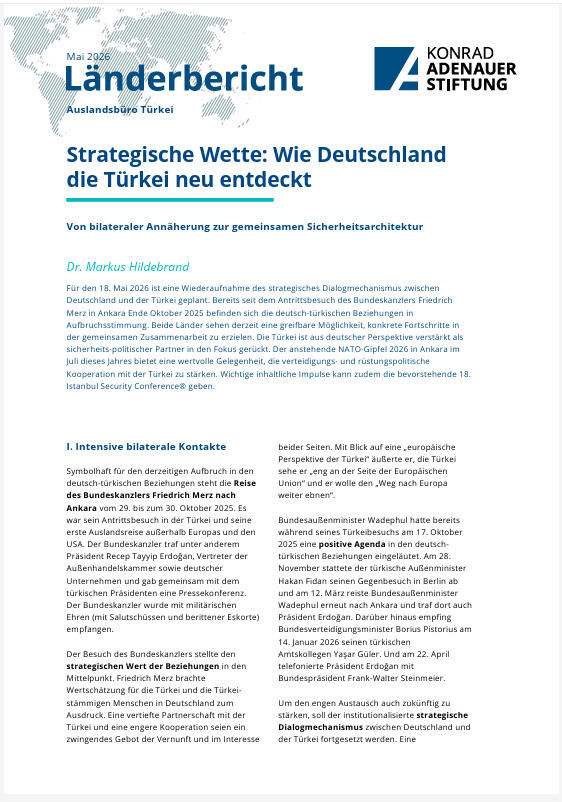
Germany’s recent effort to recalibrate its relations with Türkiye reflects a notable shift in strategic thinking. Berlin has begun to view Türkiye more explicitly as a security and defense partner, especially amid the resumed strategic dialogue, the evolving European security environment, and the search for a more resilient regional security architecture. Yet the significance of this development goes beyond bilateral rapprochement. It raises a broader question as to whether Germany is merely rediscovering a useful partner, or beginning to recognize the geopolitical realities of Eurasia as an interconnected strategic space shaped by regional agency, strategic corridors, and cooperative security.[1]
The Limits of Euro-Atlantic Frame
Germany’s strategic outlook has traditionally been shaped by a Euro-Atlantic framework in which European security is primarily assessed through NATO, the European Union, and transatlantic relations.
For this commentary, Eurocentric strategic thinking refers to an approach that treats European and transatlantic institutions as the principal reference points for defining regional security priorities, while assigning secondary analytical weight to the agency, threat perceptions, and locally developed cooperation mechanisms of neighboring Eurasian regions.
This approach remains important; however, it can also encourage a compartmentalized reading of neighbouring regions and insufficient attention to the distinct legal character of the Black Sea. The EU Strategic Compass and the EU’s Black Sea initiatives address relevant questions of resilience, connectivity, maritime security, energy, and regional cooperation. Yet, any external framework for the basin must begin with the legal reality that the Montreux Convention of 1936 regulates naval access through the Turkish Straits and establishes a differentiated regime designed to safeguard the security of the Black Sea littoral states.
The issue is therefore not the exclusion of dialogue or cooperation with the European Union and NATO. It is the need to ensure that such engagement neither dilutes the Convention’s treaty-based constraints on non-littoral naval presence nor displaces the primary responsibility of the littoral states for regional equilibrium. A constructive Eurasian approach consequently rejects both bloc confrontation and externally imposed security templates. It calls instead for legally consistent cooperation that respects sovereignty, regional agency, freedom of commercial navigation, and the stabilizing function of the Montreux regime
Eurasia as an Interconnected Strategic Space
Germany’s renewed attention to Türkiye is therefore a welcome, though belated, recognition of changing strategic realities. Germany’s 2023 National Security Strategy is framed around “Integrated Security” and places central importance on resilience, European unity, NATO, supply chain security, and partnerships; however, its principal strategic reference points remain the Euro-Atlantic area and European institutional coordination.
The value of closer cooperation cannot be reduced to immediate functional concerns such as defense procurement, migration management, or alliance burden-sharing. These issues are significant, but they form only part of a wider picture in which regional security, economic resilience, energy routes, and transportation corridors are increasingly interlinked.[2]
The principal limitation of the German approach is its tendency to view the relationship chiefly in terms of Europe’s needs. Such an approach risks overlooking the fact that a pivotal regional actor does not derive its strategic significance solely from its proximity to Europe or contribution to NATO. Its importance also stems from its capacity to maintain diplomatic engagement across adjacent regions, to connect different security theatres, and to contribute to stability through an autonomous and balanced foreign-policy outlook.
A more accurate reading of the current environment requires abandoning rigid center-periphery assumptions. Eurasia is not a peripheral area awaiting European strategic direction; it is a complex space in which regional actors possess their own interests, historical experiences, and security priorities. Germany’s policy will remain fragmented if it continues to approach this space selectively. A sustainable engagement requires acknowledging that Europe's security is increasingly inseparable from the stability, connectivity, and cooperative potential of the wider Eurasian environment.
From Tactical Adjustment to Strategic Engagement
Germany’s current opening should therefore evolve beyond selective pragmatism. First, Berlin should use the renewed Strategic Dialogue Mechanism to establish a regular agenda for cross-regional security that links the Black Sea, the South Caucasus, the Eastern Mediterranean, energy security, and connectivity. Second, Germany should complement its Euro-Atlantic commitments with systematic consultation on regionally owned and law-based stability arrangements. Third, it should encourage resilient transport, energy, and production networks across Eurasia without turning connectivity projects into exclusive geopolitical blocs.[3]
In this regard, a more balanced German approach would not entail distancing itself from its Euro-Atlantic commitments. On the contrary, it would require complementing these commitments with a less hierarchical understanding of regional order and with greater openness to cooperation with pivotal actors whose strategic value derives from geography, agency, and stabilizing capacity. Such an approach would allow Germany to move from tactical adjustment to genuine strategic adaptation in Eurasia.
Conclusion
Germany’s recent reassessment of this strategic relationship should therefore be regarded as a significant, but still incomplete, adjustment. It signals a growing recognition that European security can no longer be understood in isolation from the wider Eurasian environment. Yet, it does not fully escape the conceptual limits of Eurocentric strategic thinking.[4]
If this opening is to achieve lasting value, Germany will need to move beyond functional pragmatism and adopt a broader understanding of regional order grounded in cooperative security, strategic respect, and the interconnected realities of Eurasia. Only then can its policy evolve from a late tactical correction into a more coherent and durable strategic vision.[5]
*Picture: Kondrad Adenauer
[1] Dr. Markus Hildebrand, Strategic Bet: How Germany Is Rediscovering Turkey. Kondrad Adenaur Stiftung No: 2025/03. 13.05.2026, https://www.kas.de/en/country-reports/detail/-/content/strategic-bet-how-germany-is-rediscovering-turkey
[2] Teoman Ertuğrul Tulun. Reforming Moldova: Stability Through Constructive Eurasianism. AVİM, Commentary No: 2025/24. 24.10.2025, https://avim.org.tr/en/Analiz/REFORMING-MOLDOVA-STABILITY-THROUGH-CONSTRUCTIVE-EURASIANISM
[3] Teoman Ertuğrul Tulun. Eu’s New Central Asia Strategy And Notion Of Constructive Eurasianism. AVİM, Commentary No: 2019/41. 16.07.2019, https://avim.org.tr/en/Yorum/EU-S-NEW-CENTRAL-ASIA-STRATEGY-AND-NOTION-OF-CONSTRUCTIVE-EURASIANISM
[4] Teoman Ertuğrul Tulun. Constructive Eurasianism: Revisiting Definitions. AVİM, Commentary No: 2025/03. 08.01.2025, https://avim.org.tr/en/Yorum/CONSTRUCTIVE-EURASIANISM-REVISITING-DEFINITIONS
[5] Teoman Ertuğrul Tulun. 2025 Munich Security Conference And The Necessity Of Constructive Eurasianism. AVİM, Commentary No: 2025/02. 28.02.2025, https://avim.org.tr/en/Analiz/2025-MUNICH-SECURITY-CONFERENCE-AND-THE-NECESSITY-OF-CONSTRUCTIVE-EURASIANISM
© 2009-2025 Center for Eurasian Studies (AVİM) All Rights Reserved
No comments yet.
-
 MACRON LAUNCHED MOBILIZATION TO INCREASE EUROPE'S NUCLEAR DETERRENCE
Teoman Ertuğrul TULUN 06.03.2026 -
 POPE FRANCIS IN AZERBAIJAN
Teoman Ertuğrul TULUN 14.10.2016 -
 URGENT NEED TO STRENGTHEN THE EFFECTIVE IMPLEMENTATION OF THE BIOLOGICAL WEAPONS CONVENTION
Teoman Ertuğrul TULUN 16.04.2020 -
 ROMANIA, THE BLACK SEA, AND THE LIMITS OF STRATEGIC SUBSTITUTION
Teoman Ertuğrul TULUN 12.02.2026 -
 THE MYTH OF RULES-BASED INTERNATIONAL ORDER IS UNDER DESTRUCTION
Teoman Ertuğrul TULUN 13.02.2026
-
 EU TO START NEW NEGOTIATIONS WITH ARMENIA ON A NEW AGREEMENT
Ali Murat TAŞKENT 18.10.2015 -
 GEORGIA’S CONTRADICTORY POLICIES ENDANGER REGIONAL COOPERATION
Aslan Yavuz ŞİR 07.02.2019 -
 A DECEITFUL ATTEMPT TO TARNISH ATATÜRK’S LEGACY AT PRINCETON UNIVERSITY
AVİM 09.10.2025 -
 EU OBSERVER IN THE SPOTLIGHT AGAIN
AVİM 26.10.2020 -
 ÇANAKKALE 1915 ORATORIO
AVİM 02.04.2015
-
25.01.2016
THE ARMENIAN QUESTION - BASIC KNOWLEDGE AND DOCUMENTATION -
12.06.2024
THE TRUTH WILL OUT -
27.03.2023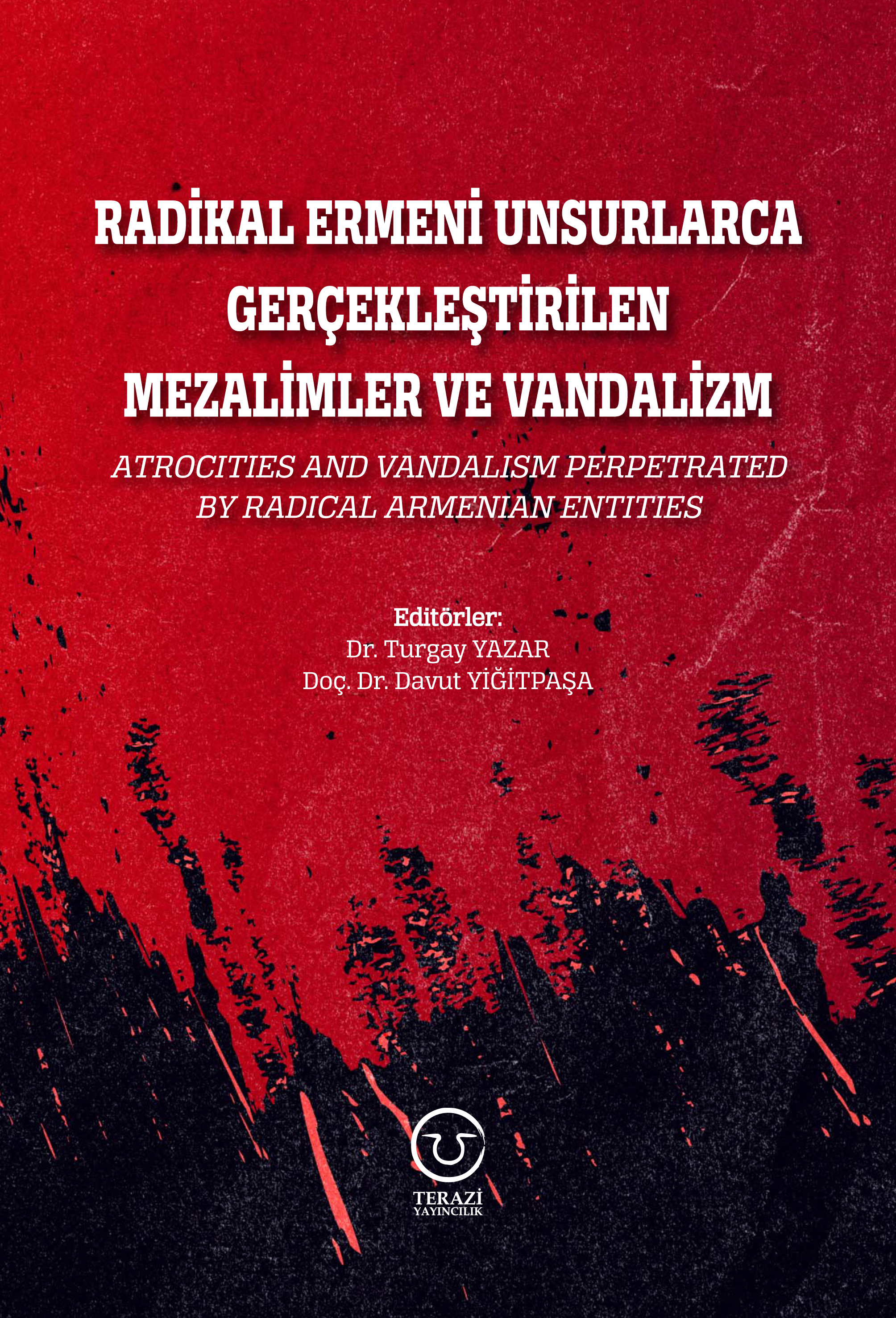
RADİKAL ERMENİ UNSURLARCA GERÇEKLEŞTİRİLEN MEZALİMLER VE VANDALİZM -
17.03.2023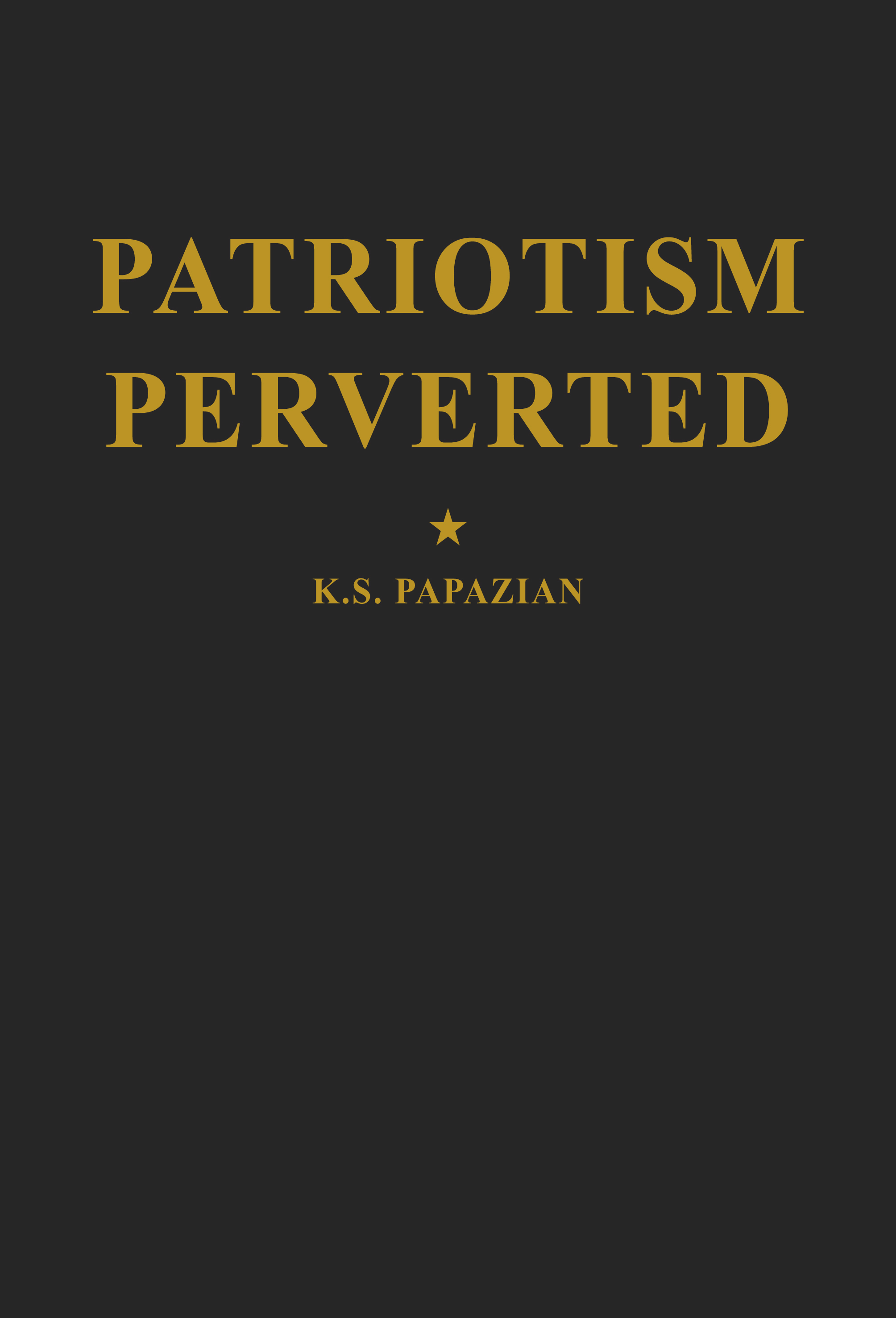
PATRIOTISM PERVERTED -
23.02.2023
MEN ARE LIKE THAT -
03.02.2023
BAKÜ-TİFLİS-CEYHAN BORU HATTININ YAŞANAN TARİHİ -
16.12.2022
INTERNATIONAL SCHOLARS ON THE EVENTS OF 1915 -
07.12.2022
FAKE PHOTOS AND THE ARMENIAN PROPAGANDA -
07.12.2022
ERMENİ PROPAGANDASI VE SAHTE RESİMLER -
01.01.2022
A Letter From Japan - Strategically Mum: The Silence of the Armenians -
01.01.2022
Japonya'dan Bir Mektup - Stratejik Suskunluk: Ermenilerin Sessizliği -
03.06.2020
Anastas Mikoyan: Confessions of an Armenian Bolshevik -
08.04.2020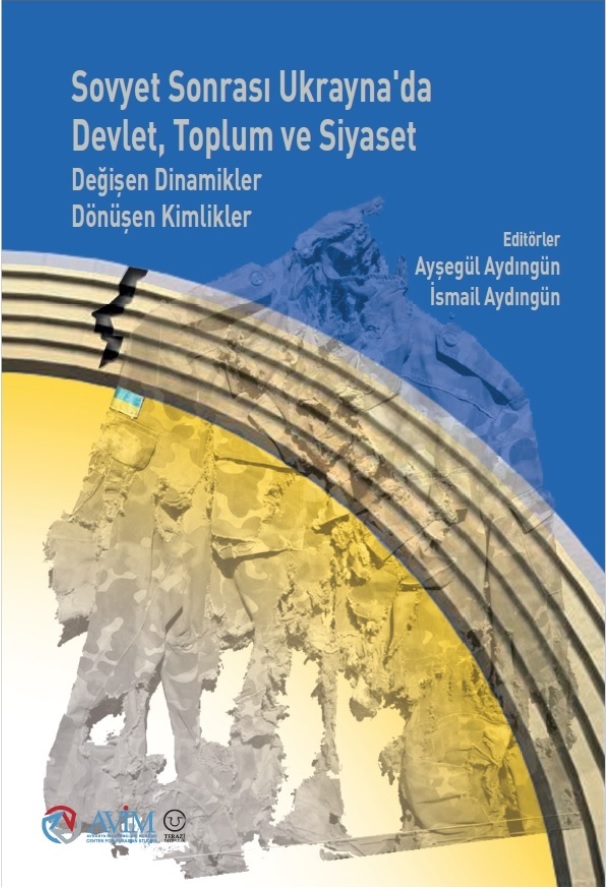
Sovyet Sonrası Ukrayna’da Devlet, Toplum ve Siyaset - Değişen Dinamikler, Dönüşen Kimlikler -
12.06.2018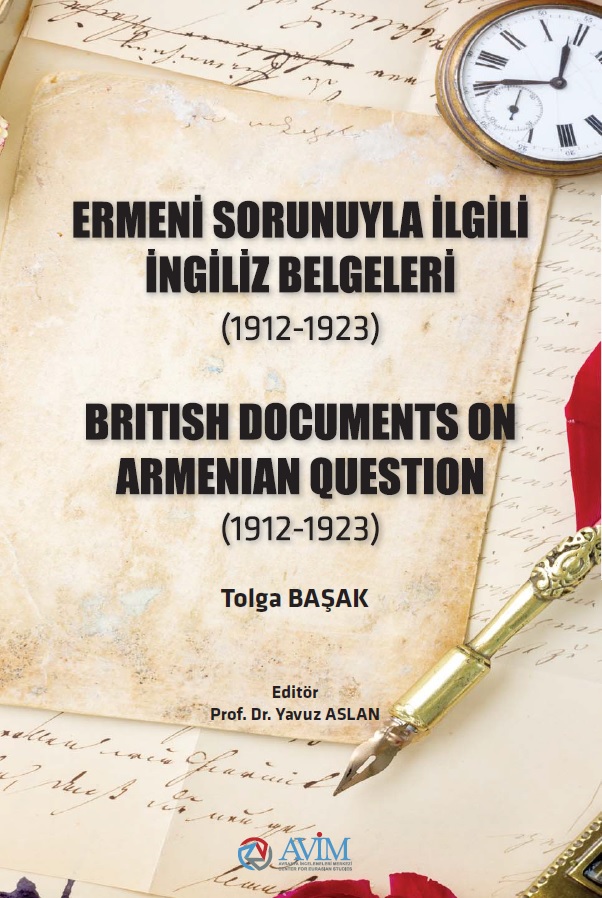
Ermeni Sorunuyla İlgili İngiliz Belgeleri (1912-1923) - British Documents on Armenian Question (1912-1923) -
02.12.2016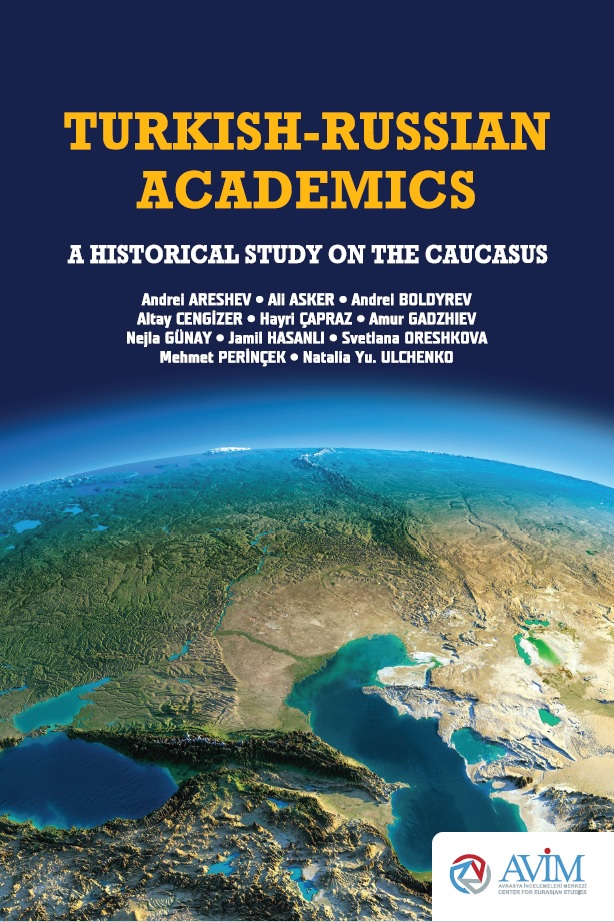
Turkish-Russian Academics: A Historical Study on the Caucasus -
01.07.2016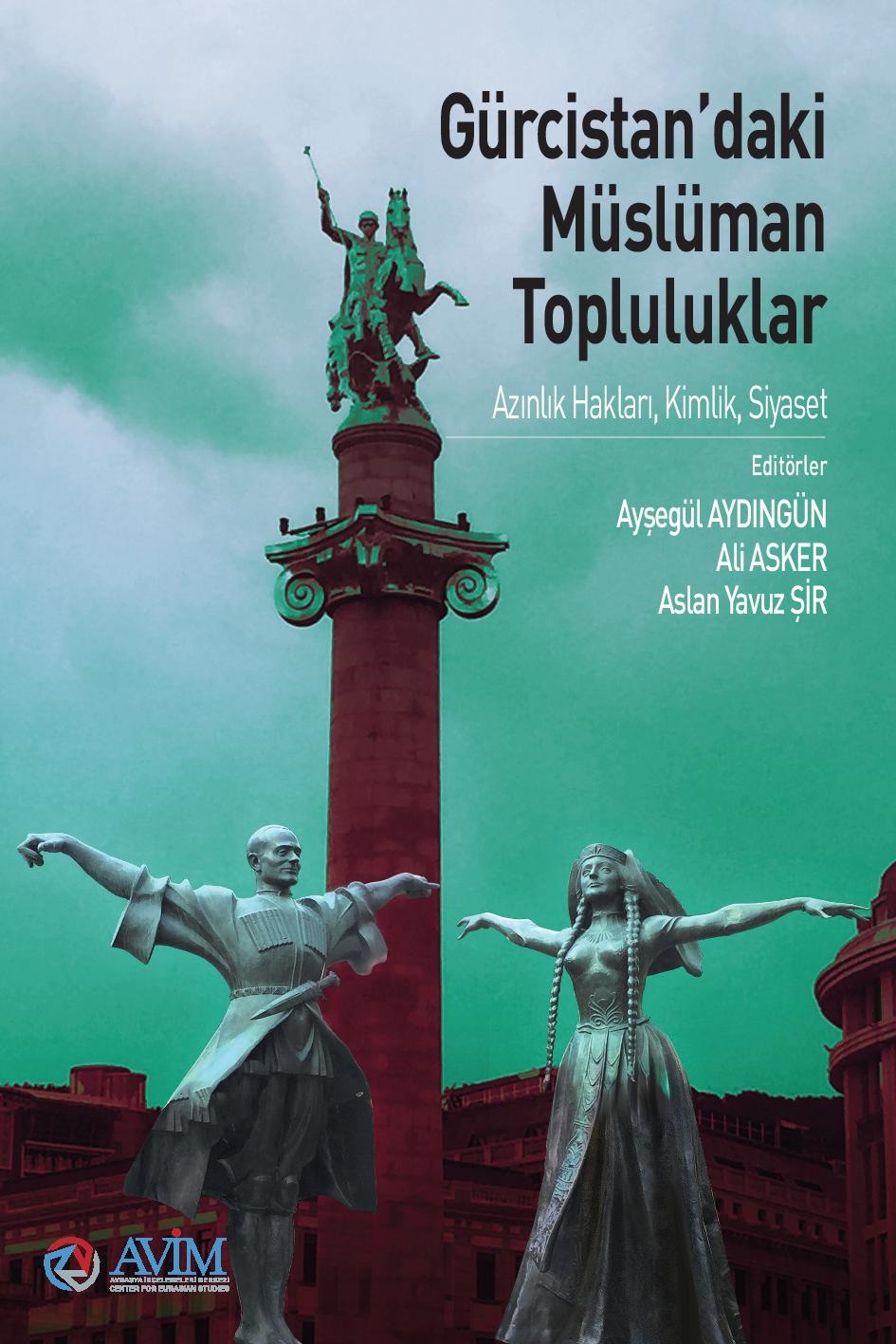
Gürcistan'daki Müslüman Topluluklar: Azınlık Hakları, Kimlik, Siyaset -
10.03.2016
Armenian Diaspora: Diaspora, State and the Imagination of the Republic of Armenia -
24.01.2016
ERMENİ SORUNU - TEMEL BİLGİ VE BELGELER (2. BASKI)
-
AVİM Conference Hall 24.01.2023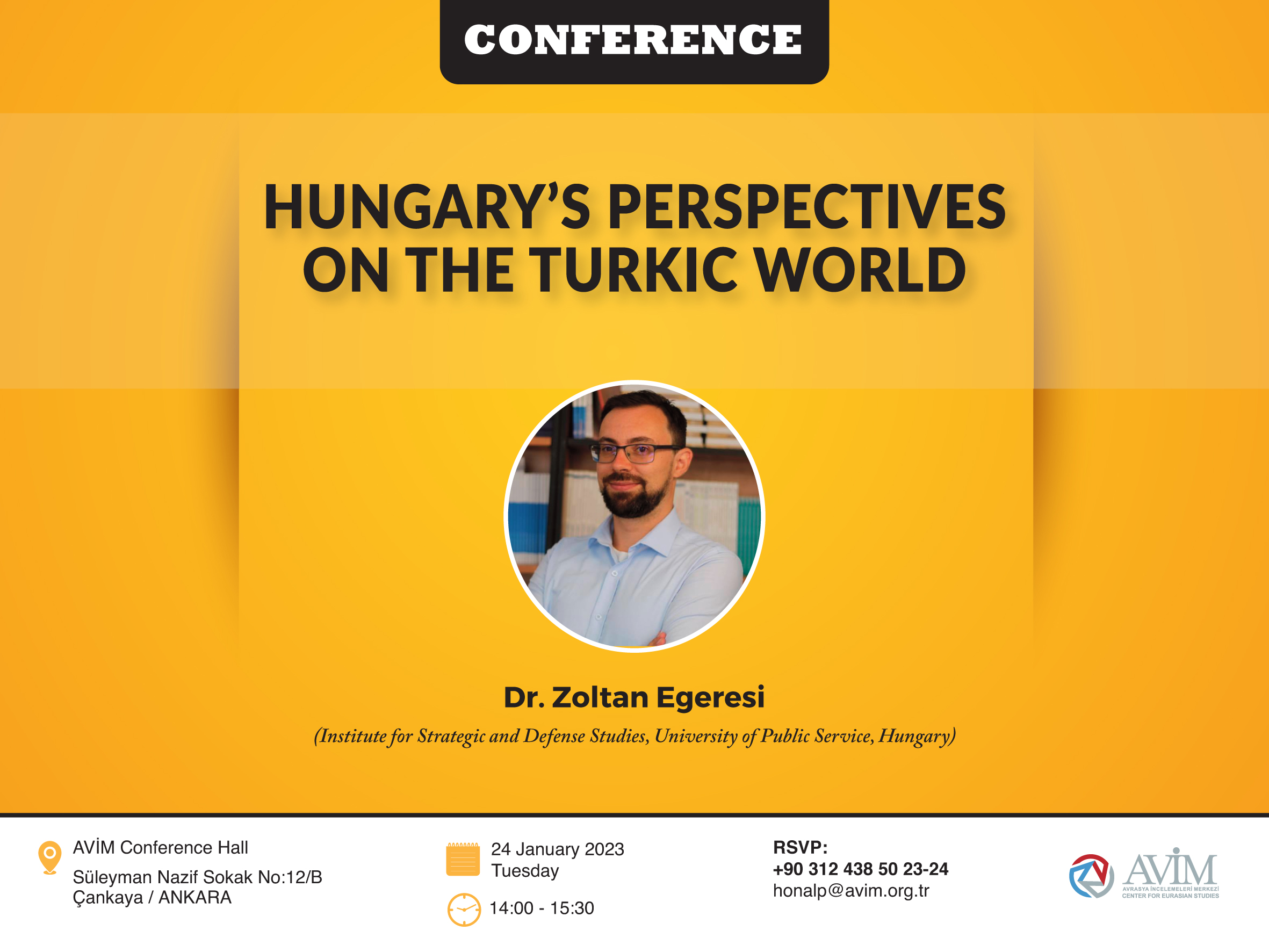
CONFERENCE TITLED “HUNGARY’S PERSPECTIVES ON THE TURKIC WORLD"