
















Jamestown Foundation (3 December 2023)
Eurasia Daily Monitor, Volume: 20, Issue: 1
Emil AVDALIANI
Recently, Kazakhstani Energy Minister Bolat Akchulakov declared that, while his country maintains close ties with Russia and Uzbekistan on gas transit, no formal discussions have been held regarding the possible formation of a gas union, the trilateral initiative suggested by Russian President Vladimir Putin (Radio Free Europe/Radio Liberty, November 29). Kazakhstan’s refusal would not be as surprising had it not been for the incredible geopolitical upheavals that have begun to transform the wider Eurasian region since Russia’s re-invasion of Ukraine in February 2022. As a result, this changing environment has enabled the Central Asian states to become more vocal about their own interests, pushing against Moscow’s imperial ambitions.
Moreover, Kazakhstan has been emboldened by a strategic relationship that Ukraine, Georgia or Moldova do not enjoy—namely, its deepening cooperation with Beijing. China is not only an aspiring global power with heaps of cash, but it also shares a long common border with Kazakhstan, thus placing Beijing as a necessary counterbalance to Moscow. Kazakhstan is also a critical artery within China’s sprawling, yet struggling Belt and Road Initiative (BRI) and serves as a gateway for Beijing in its push to reshape Eurasian geopolitics.
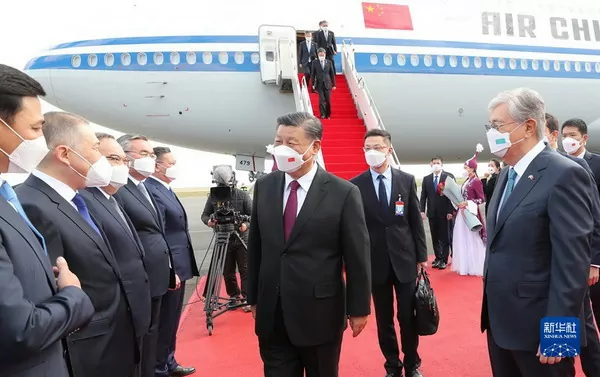
China’s special relationship with Kazakhstan was reflected in Chinese President Xi Jinping’s choice to visit Astana for his first official visit abroad after the COVID-19 pandemic (Fmprc.gov.cn, September 15). During his trip, the Chinese leader underscored Beijing’s support for its neighbor’s independence and pledged to defend Kazakhstan’s territorial integrity. The message, at the time, was read as a warning to external powers, but the veiled nature and timing of the statement could indicate that it was meant directly for Russia.
To read the rest of the article: https://jamestown.org/program/kazakhstans-expanding-multi-vector-foreign-policy/
© 2009-2025 Avrasya İncelemeleri Merkezi (AVİM) Tüm Hakları Saklıdır
Henüz Yorum Yapılmamış.
-
 ABD BAŞKANI BİDEN VE 24 NİSAN - CUMHURİYET - 10.02.2021
Ö. Faruk LOĞOĞLU 11.02.2021 -
 EU MIGRATION POLICY WILL TURN GREECE INTO THE JAIL OF EUROPE - EU OBSERVER - 22.02.2023
Kostas ARVANITIS 23.02.2023 -
 MEETING IN WASHINGTON - A LESSON OF REALISM - 22.08.2025
Jakub KOREJBA 25.08.2025 -
 ALMANYA CUMHURBAŞKANI SÖMÜRGECİLİK DÖNEMİ KATLİAMLARINDAN ÖTÜRÜ TANZANYA'DAN AF DİLEDİ - 15.12.2023
Hasan Servet ÖKTEM 15.12.2023 -
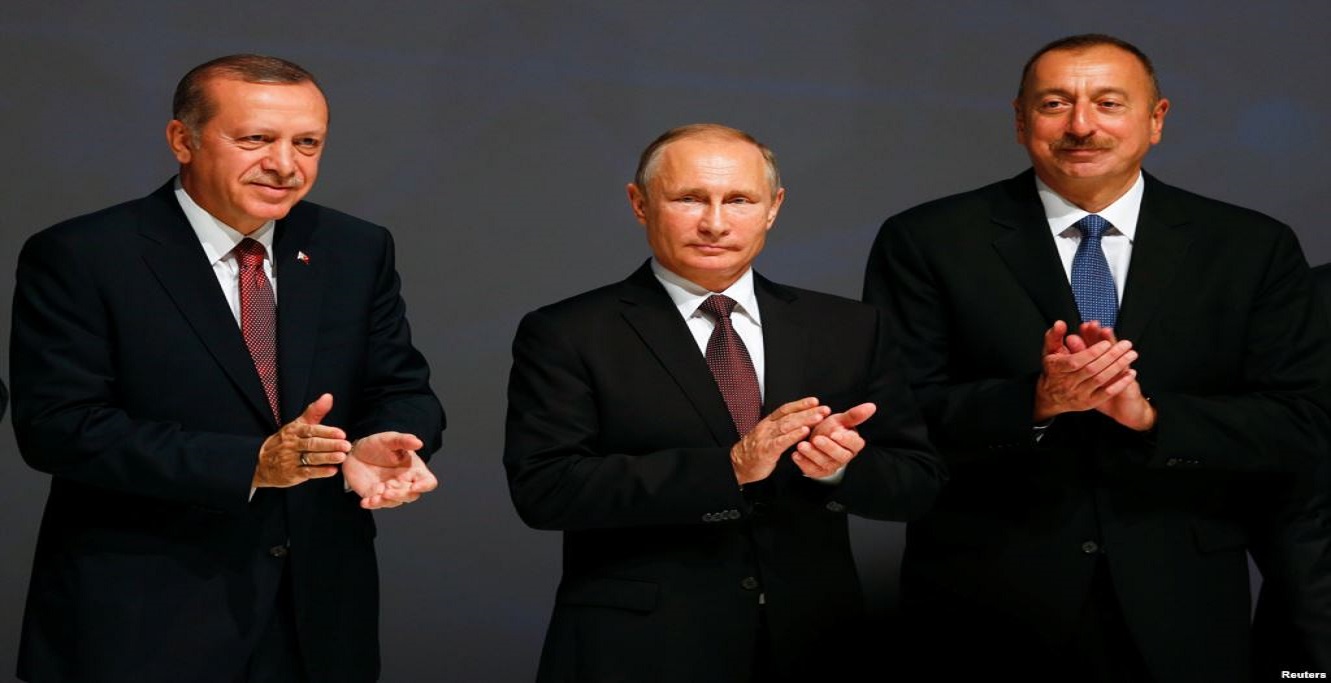 RUSSIAN-TURKISH BREAK WOULD BE ILLOGICAL AND EXTREMELY COUNTERPRODUCTIVE
Mehmet Oğuzhan TULUN 30.12.2016