














The European Union has initially emerged as a project to form a union based on economic cooperation. However, its implementation has brought about a different momentum over time and politics have gained the upper hand to economics. While the political idea at the basis of the economic union was to balance and rein in Germany, what evolved in time appears to be how Germany reorganizes the union. It is possible to look back at the breaking point of economic thought undermined by political ambition in the decision to form a Euro zone. Although the incontestable value of a monetary union to economic development and growth is clearly known, the also well known indispensable rules and requirements for forming a common currency has been ignored and the economic locomotive countries of the EU have acted with extreme self-confidence as all others went along with the understanding that the caravan would shape up on the road. The country benefiting the most from the Euro zone economic implementation, as expected and calculated, has been Germany. On the other hand, the eventuality of opting out or being dismissed from Euro membership was considered not to be necessary in the engineering of the Euro zone and thereby no such mechanism had been formed, whereas exactly this situation has emerged as an inevitable necessity in today’s conditions. The Euro zone mechanism has been formed in such a manner that regardless of the size of the wheels, any break with one cannot be by-passed and it paralyzes the whole mechanism. In a research conducted by the Bertelsmann Foundation in Berlin on a possible worse case scenario, it has been calculated that Greece, Italy, Portugal and Spain’s separation from the Euro will have a bearing of 17 trillion Euros on world economy. The effects of this tremor will be felt from the US to China and the countries separating from the Euro will end up in the clutches of social chaos and political instability. As regards Turkey’s neighbor Greece alone, its separation from the Euro is estimated to cost 674 billion Euros for world economy, while its cost to Greece will be 164 billion Euros and to Germany 73 billion Euros. In a research conducted on other countries requiring assistance for bail out, the cost of their separation for Germany’s economy has been calculated as follows: 225 billion Euros for Portugal, 805 billion Euros for Spain and 600 billion Euros for Italy. Accordingly, the EU’s powerful economies, with Germany being at the forefront, are faced with a serious dilemma. The disintegration of the Euro zone will cause an unbearable economic burden for all involved. On the other hand, for the continuation with the Euro, regular contributions by prospering economies will be required in balancing the level of welfare of economies producing less. This situation could cause a negative precedent for some, hampering competitive will and the drive to produce more. Such a development will surely not reduce applications for assistance and will probably encourage new countries to join the row. The Greek Administration of Southern Cyprus currently getting in line could be a case in point.
© 2009-2025 Center for Eurasian Studies (AVİM) All Rights Reserved
No comments yet.
-
WHY IS THE EUROPEAN UNION ON THE WAY TO BECOMING A FORTRESS EUROPE, CLOSED TO THE OUTSIDE WORLD
Alev KILIÇ 16.01.2013 -
THE NECESSITY TO OPEN THE ARCHIVES AND ESTABLISH A JOINT COMMISSION OF HISTORIANS AND EXPERTS HAVE COME TO THE FORE ONCE AGAIN
Alev KILIÇ 21.12.2012 -
ARMENIA AND THE ARMENIAN DIASPORA
Alev KILIÇ 08.10.2012 -
EXTREME NATIONALIST ARMENIANS IN THE USA OPPOSING CHUCK HAGEL’S CANDIDACY AS SECRETARY OF DEFENSE
Alev KILIÇ 22.01.2013 -
THE MOSCOW SUMMIT OF THE COLLECTIVE SECURITY TREATY ORGANIZATION
Alev KILIÇ 23.12.2012
-
 HISTORICAL ARCHIVES OF THE ARMENIAN PATRIARCHATE OF ISTANBUL
AVİM 04.04.2019 -
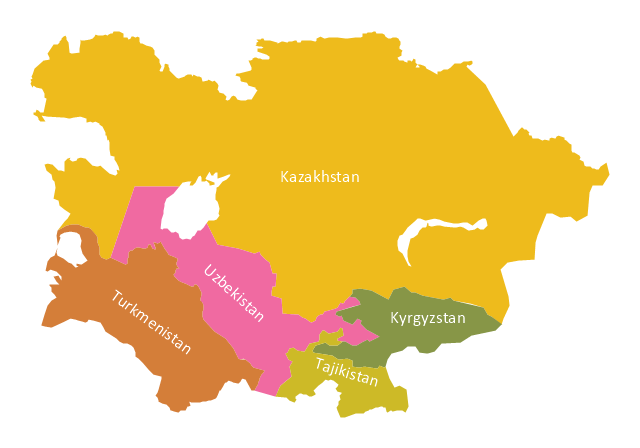 A QUARTER OF A CENTURY OF INDEPENDENCE OF CENTRAL ASIAN COUNTRIES: THE DEMOGRAPHIC QUANDARY
Teoman Ertuğrul TULUN 08.11.2016 -
 HISTORICAL MEMORY, LEGAL PRECISION, AND SELECTIVE NARRATIVES: GREECE’S 14 SEPTEMBER DECLARATION
Teoman Ertuğrul TULUN 15.09.2026 -
 THE RESOLUTION OF THE EUROPEAN PEOPLE’S PARTY - Ömer Engin LÜTEM
Ömer Engin LÜTEM 05.03.2015 -
 MONTREUX, CONSTRUCTIVE EURASIANISM, AND BLACK SEA STABILITY: REASSESSING TÜRKİYE’S STRAITS REGIME ON ITS 90TH ANNIVERSARY
Teoman Ertuğrul TULUN 22.07.2026
-
25.01.2016
THE ARMENIAN QUESTION - BASIC KNOWLEDGE AND DOCUMENTATION -
12.06.2024
THE TRUTH WILL OUT -
27.03.2023
RADİKAL ERMENİ UNSURLARCA GERÇEKLEŞTİRİLEN MEZALİMLER VE VANDALİZM -
17.03.2023
PATRIOTISM PERVERTED -
23.02.2023
MEN ARE LIKE THAT -
03.02.2023
BAKÜ-TİFLİS-CEYHAN BORU HATTININ YAŞANAN TARİHİ -
16.12.2022
INTERNATIONAL SCHOLARS ON THE EVENTS OF 1915 -
07.12.2022
FAKE PHOTOS AND THE ARMENIAN PROPAGANDA -
07.12.2022
ERMENİ PROPAGANDASI VE SAHTE RESİMLER -
01.01.2022
A Letter From Japan - Strategically Mum: The Silence of the Armenians -
01.01.2022
Japonya'dan Bir Mektup - Stratejik Suskunluk: Ermenilerin Sessizliği -
03.06.2020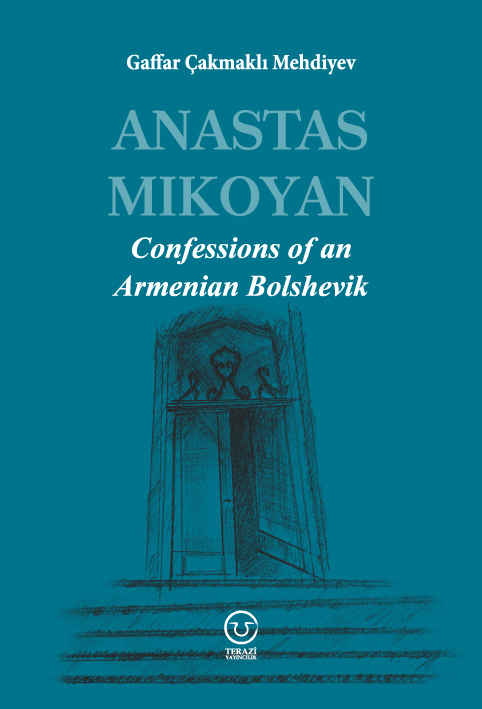
Anastas Mikoyan: Confessions of an Armenian Bolshevik -
08.04.2020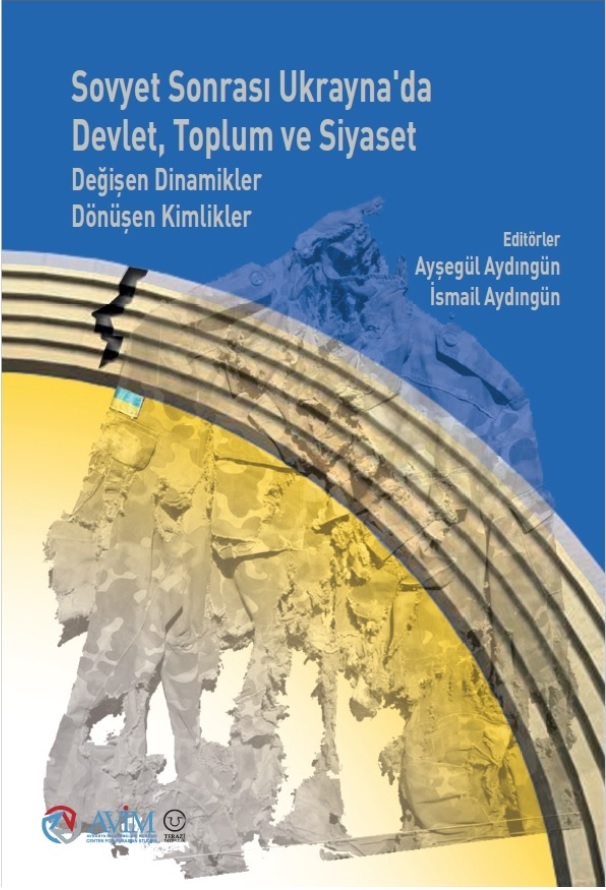
Sovyet Sonrası Ukrayna’da Devlet, Toplum ve Siyaset - Değişen Dinamikler, Dönüşen Kimlikler -
12.06.2018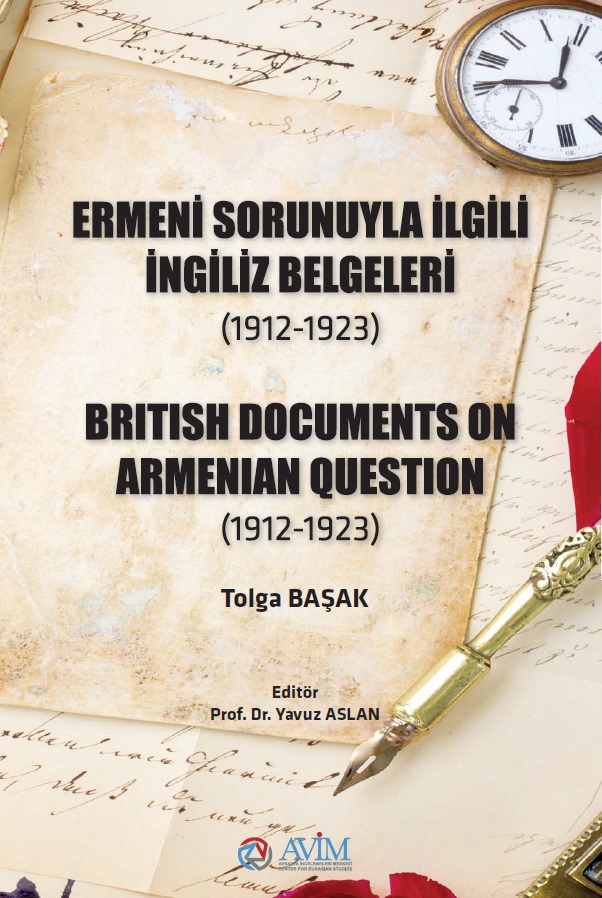
Ermeni Sorunuyla İlgili İngiliz Belgeleri (1912-1923) - British Documents on Armenian Question (1912-1923) -
02.12.2016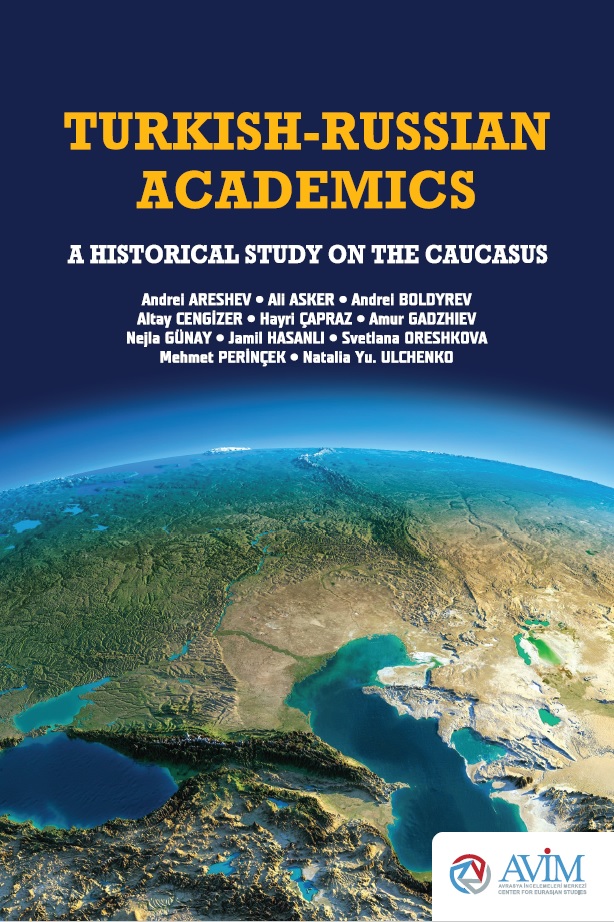
Turkish-Russian Academics: A Historical Study on the Caucasus -
01.07.2016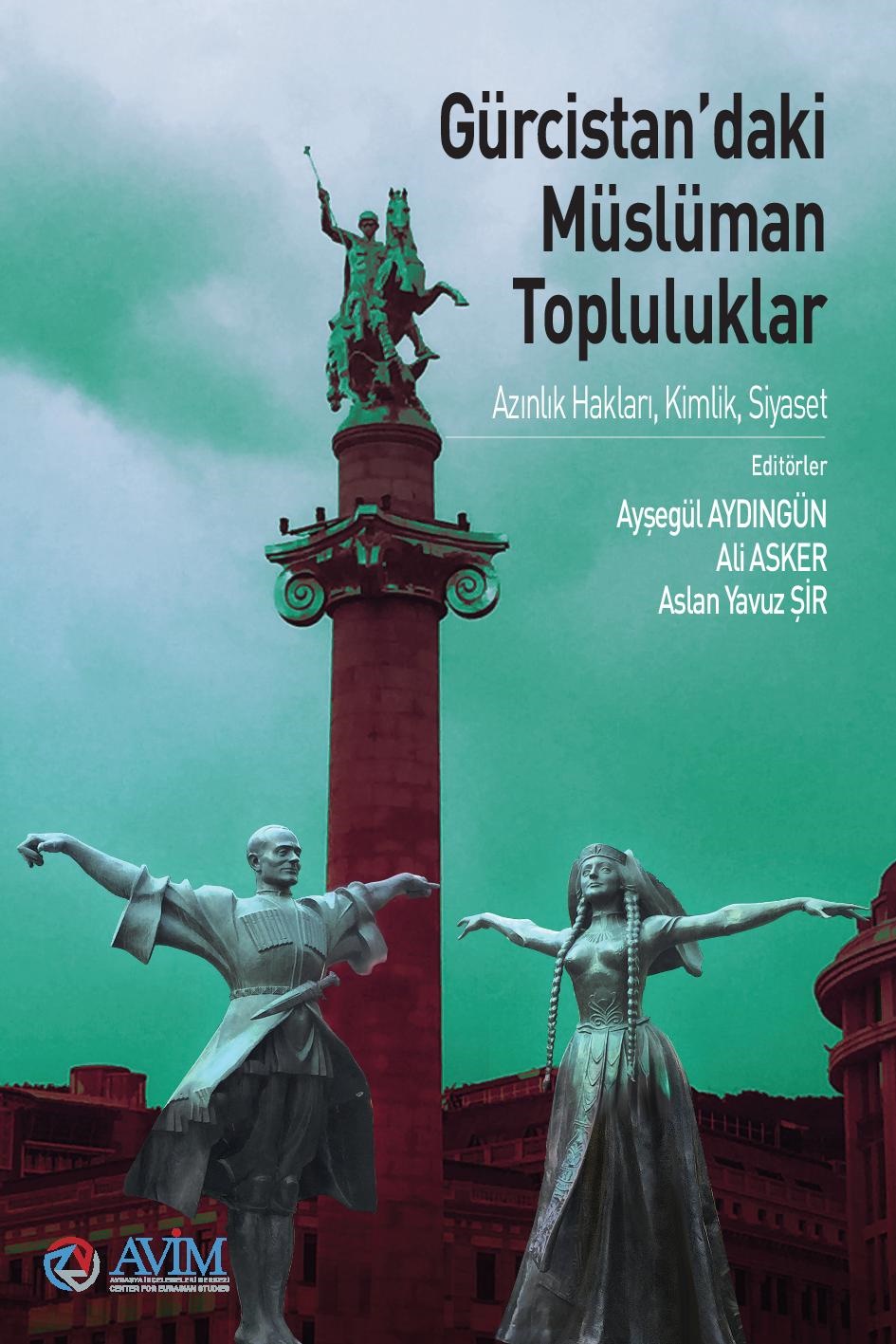
Gürcistan'daki Müslüman Topluluklar: Azınlık Hakları, Kimlik, Siyaset -
10.03.2016
Armenian Diaspora: Diaspora, State and the Imagination of the Republic of Armenia -
24.01.2016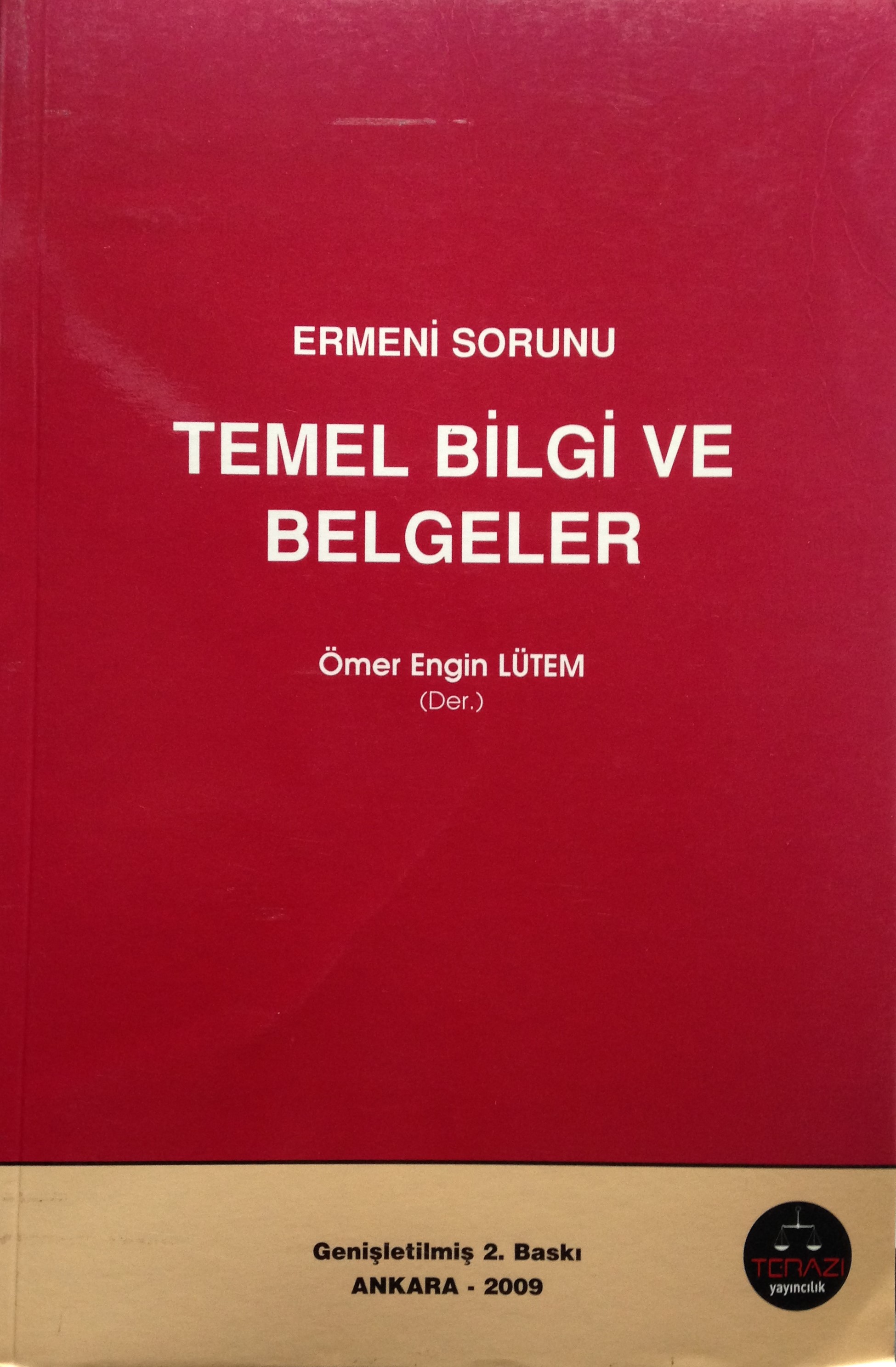
ERMENİ SORUNU - TEMEL BİLGİ VE BELGELER (2. BASKI)
-
AVİM Conference Hall 24.01.2023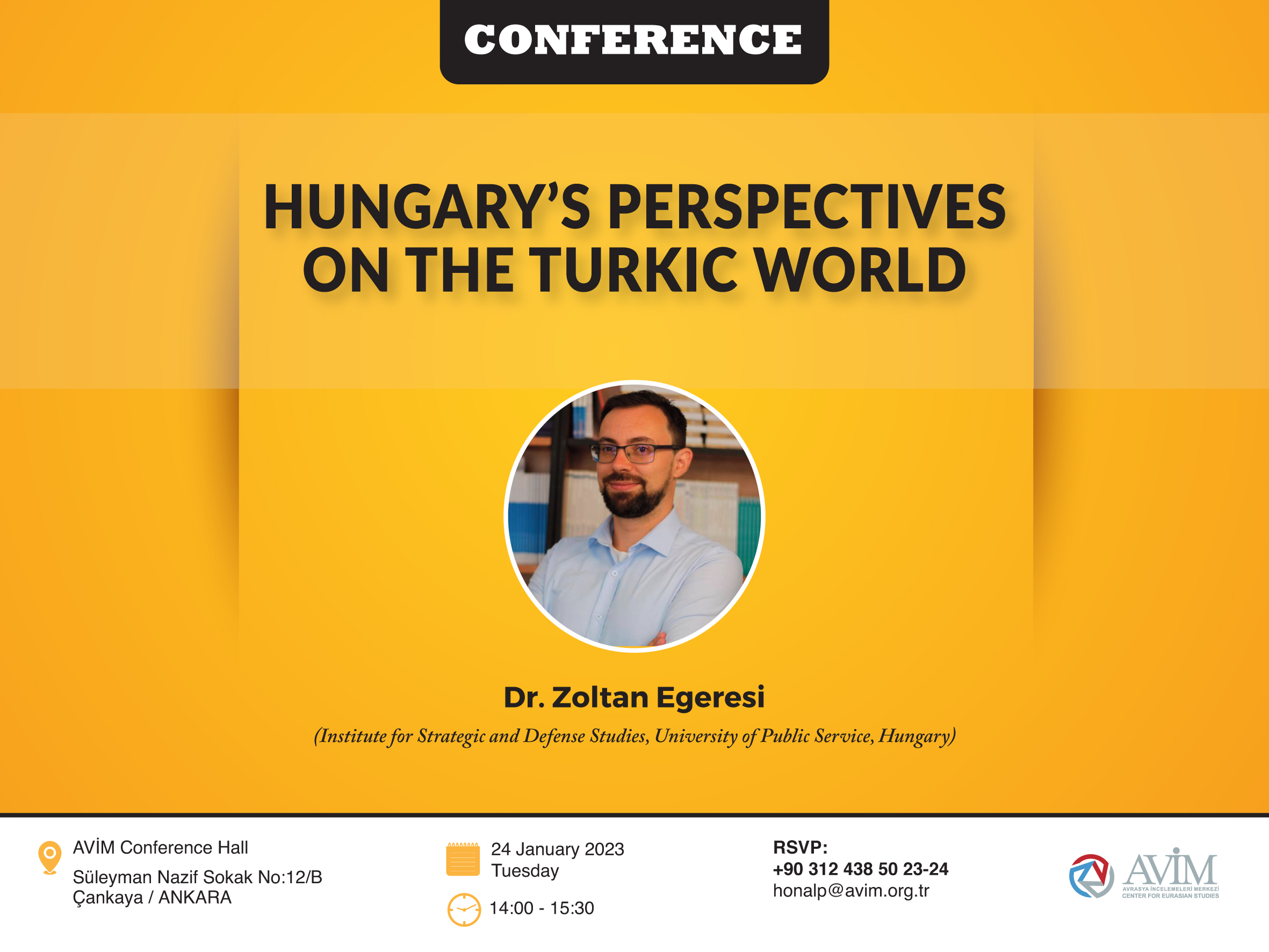
CONFERENCE TITLED “HUNGARY’S PERSPECTIVES ON THE TURKIC WORLD"