














The Balkans brings to mind a sub-region in the southeast of Europe which takes its name from the Balkan Mountains. The region covers the states of Slovenia, Croatia, Bosnia-Herzegovina, Serbia, Montenegro, Kosovo, and Macedonia from the disintegrated former Yugoslavia, as well as Albania, Greece, Bulgaria, Romania and Turkey. From the west to the east, the region harbors Catholic, Orthodox and Muslim population. Of the two countries with predominantly Catholic population Slovenia, does not share the notion of belonging to the Balkans and identifies itself with Western Europe. Although Croatia also scrupulously emphasizes that it shares common values with the west, it does not isolate itself from its Balkan connections due to its location. A front runner for the disintegration of former Yugoslavia, Slovenia has swiftly been accepted into the European Union. Croatia’s membership has also been given the calendar to be accepted in July 2013. With historical awareness of the place and significance of the Balkans in establishing and maintaining peace and stability in Europe, the European Union was quick to assess the necessity of entailing the Balkan countries in the enlargement process following the Bosnian War. The Bosnian War has displayed the European Union’s weakness in bringing order within its geography and consequently the necessity for the intervention of the US in the Balkans. This situation has further strengthened the impetus to speed up the process of enlargement of the EU in the Balkans. By deviating from geographical principles, EU enlargement has given priority to Bulgaria and Romania despite well known facts that they were not yet ready. It goes without saying that an additional incentive here has been the EU’s desire to fixate its eastern borders, leaving Turkey out. This way, Turkey would also be left outside the Balkans. Surely, in the minds of other Balkan countries which do not doubt Turkey’s place in the Balkans and attach importance to its connections in the Balkans, this understanding has caused question marks regarding EU’s intentions and aims. The EU’s Balkan engineering has not created the desired results yet. While trying to overcome the difficulties encountered with Bulgaria and Romania, the global crisis the Union has found itself in and the priority to sustain its integrity has been discouraging for the other Balkan countries which the Union has promised to include in the enlargement process. Developments taking place in Serbia, Bosnia-Herzegovina and others have not been encouraging. In this situation, it could be seen that again the US has assumed the responsibility of rendering assurances. In the shadow of US presidential elections, US Foreign Minister, without drawing much attention, has conducted a comprehensive visit to the region. As has been commented in Dr. E. Türbedar’s article published in the bulletin of the Center for Eurasian Studies, US Foreign Minister’s visit which started on October 29 has covered Bosnia-Herzegovina, Serbia, Kosovo, Albania and Croatia. Interestingly, EU High Representative for Foreign Affairs was also accompanying.
© 2009-2025 Center for Eurasian Studies (AVİM) All Rights Reserved
No comments yet.
-
 THERE ARE JUDGES IN STRASBOURG
Alev KILIÇ 15.10.2015 -
COOPERATION AT THE WIDER BLACK SEA BASIN AND CHANGING TIMES
Alev KILIÇ 28.05.2013 -
A WIRE FENCE ALONG THE MARITSA RIVER – SCHENGEN IS TAKING SHAPE
Alev KILIÇ 19.12.2012 -
THE WAY OUT TO TURKISH-ARMENIAN RECONCILIATION COULD BE MUTUAL FORGIVENESS
Alev KILIÇ 12.11.2012 -
FORTRESS EUROPE PROPELS TURKEY TOWARDS EURASIA
Alev KILIÇ 12.02.2013
-
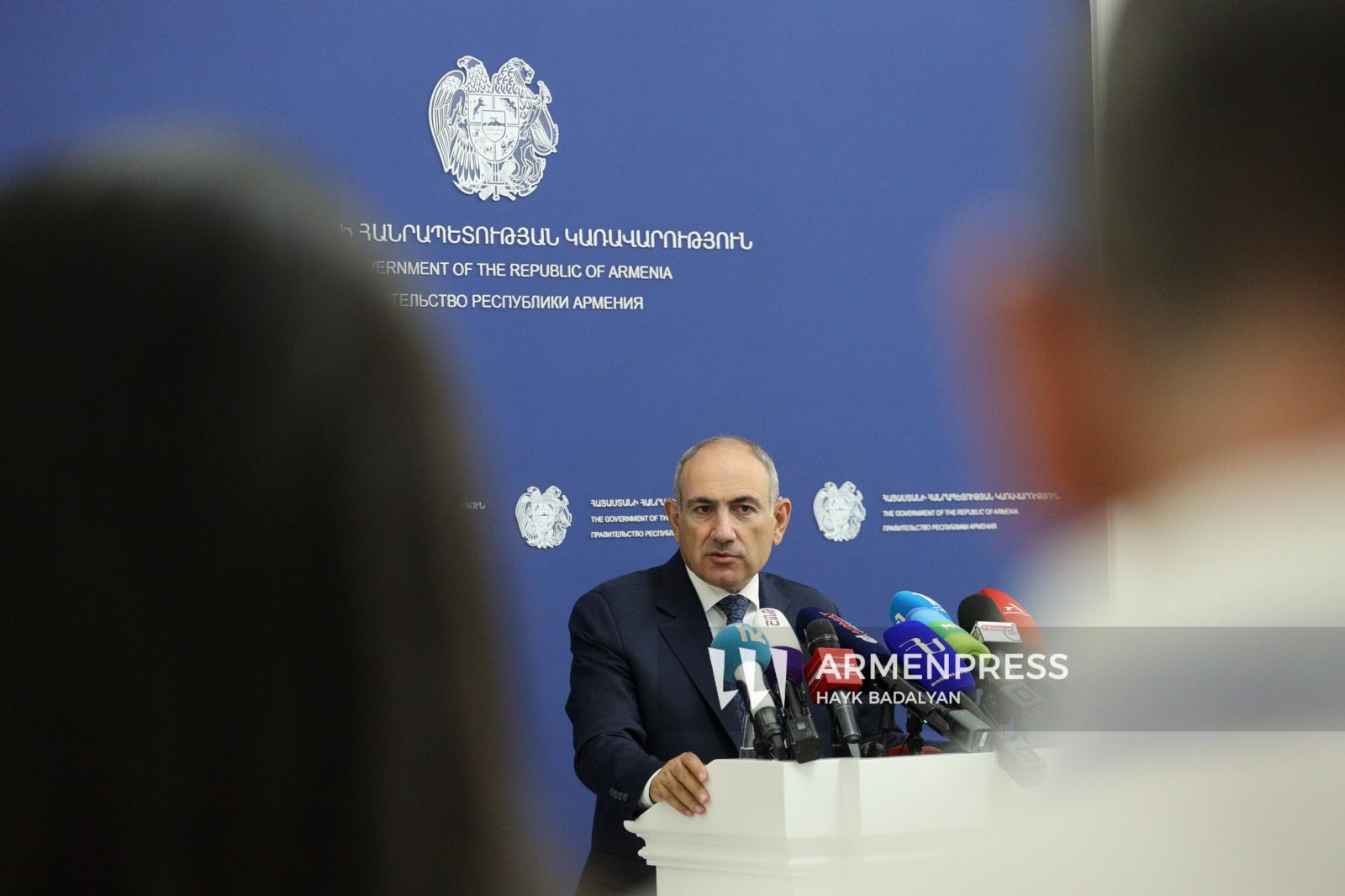 THE FINAL THRESHOLD OF THE PEACE AGREEMENT: THE ISSUE OF CONSTITUTIONAL AMENDMENT
Selenay Erva YALÇIN 02.10.2026 -
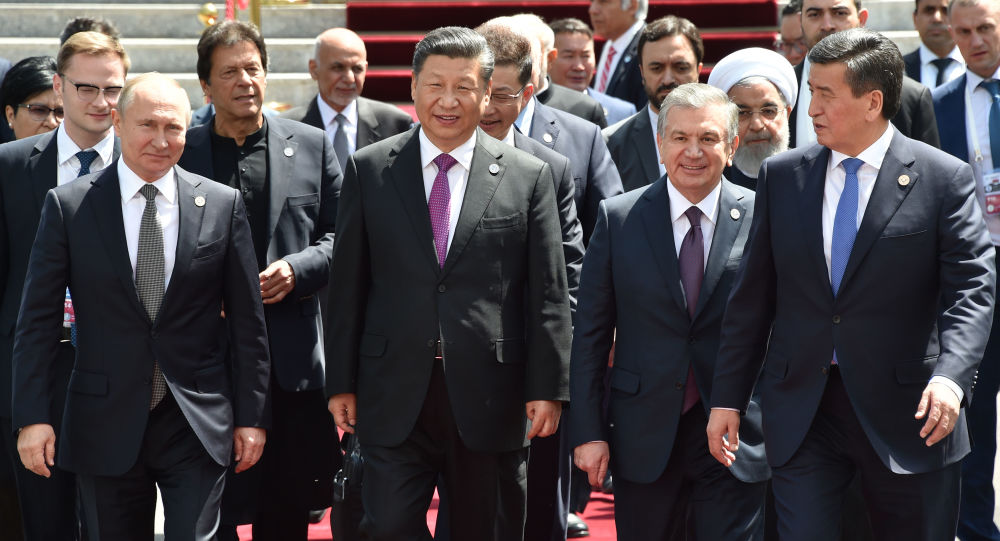 AN EVALUATION OF THE RECENT DEVELOPMENTS IN CENTRAL ASIA
Vuslat Nur ŞAHİN 08.07.2019 -
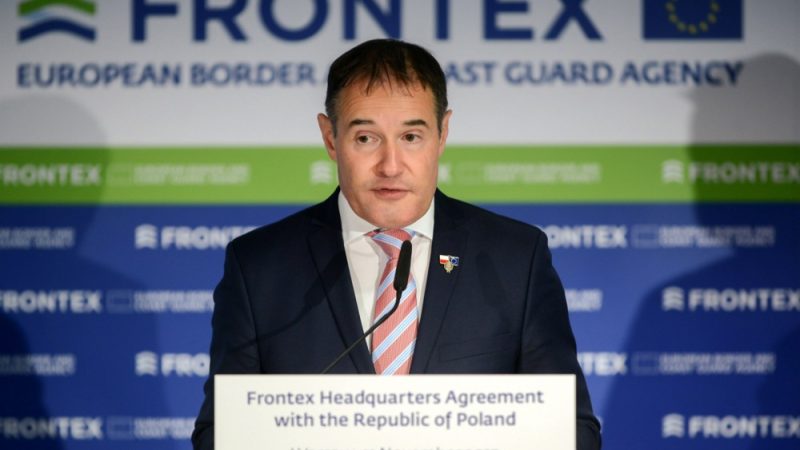 DISMISSED FORMER FRONTEX CHIEF FINDS HIMSELF A NEW POSITION
Hazel ÇAĞAN ELBİR 04.03.2024 -
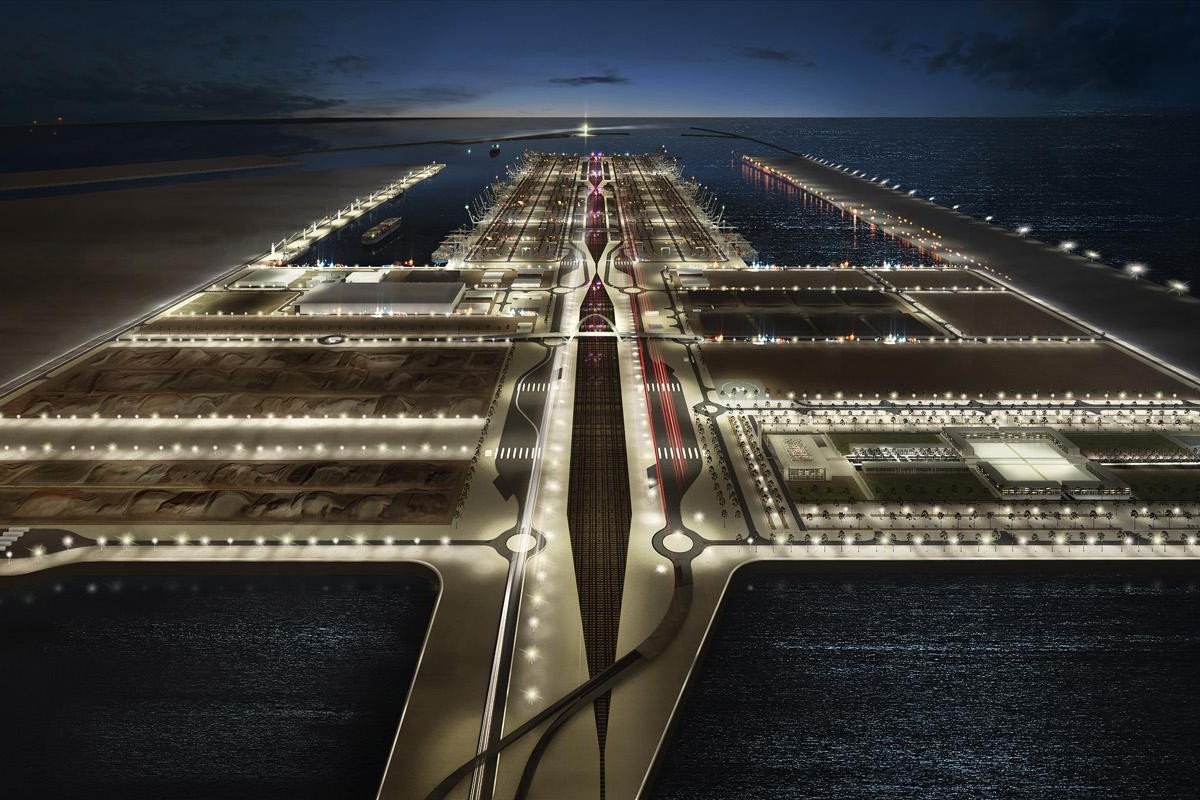 EURASIA REGIONAL TRANSPORT CORRIDORS
Gülperi GÜNGÖR 20.05.2024 -
THE U.S. GENOCIDE DRAFT RESOLUTION AND THE PROTOCOLS
Ömer Engin LÜTEM 09.02.2010
-
25.01.2016
THE ARMENIAN QUESTION - BASIC KNOWLEDGE AND DOCUMENTATION -
12.06.2024
THE TRUTH WILL OUT -
27.03.2023
RADİKAL ERMENİ UNSURLARCA GERÇEKLEŞTİRİLEN MEZALİMLER VE VANDALİZM -
17.03.2023
PATRIOTISM PERVERTED -
23.02.2023
MEN ARE LIKE THAT -
03.02.2023
BAKÜ-TİFLİS-CEYHAN BORU HATTININ YAŞANAN TARİHİ -
16.12.2022
INTERNATIONAL SCHOLARS ON THE EVENTS OF 1915 -
07.12.2022
FAKE PHOTOS AND THE ARMENIAN PROPAGANDA -
07.12.2022
ERMENİ PROPAGANDASI VE SAHTE RESİMLER -
01.01.2022
A Letter From Japan - Strategically Mum: The Silence of the Armenians -
01.01.2022
Japonya'dan Bir Mektup - Stratejik Suskunluk: Ermenilerin Sessizliği -
03.06.2020
Anastas Mikoyan: Confessions of an Armenian Bolshevik -
08.04.2020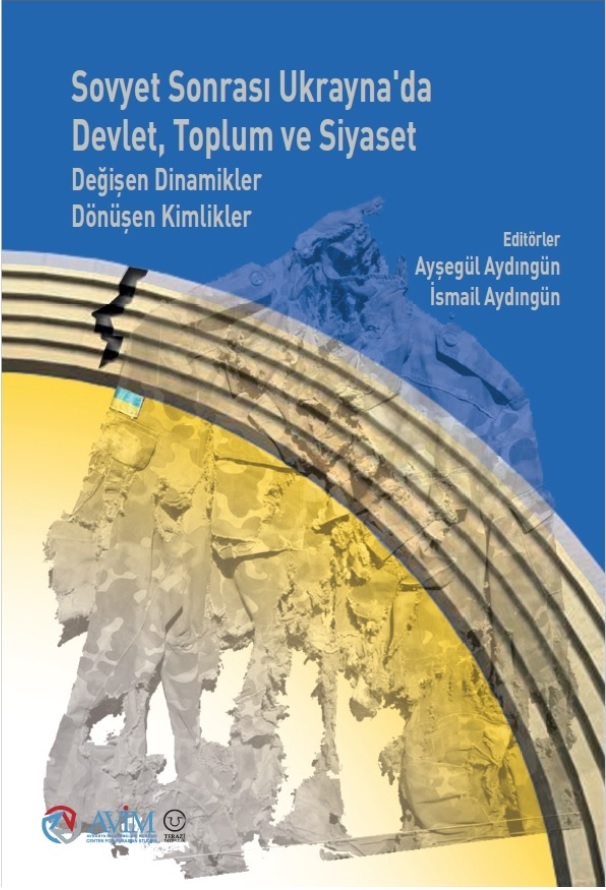
Sovyet Sonrası Ukrayna’da Devlet, Toplum ve Siyaset - Değişen Dinamikler, Dönüşen Kimlikler -
12.06.2018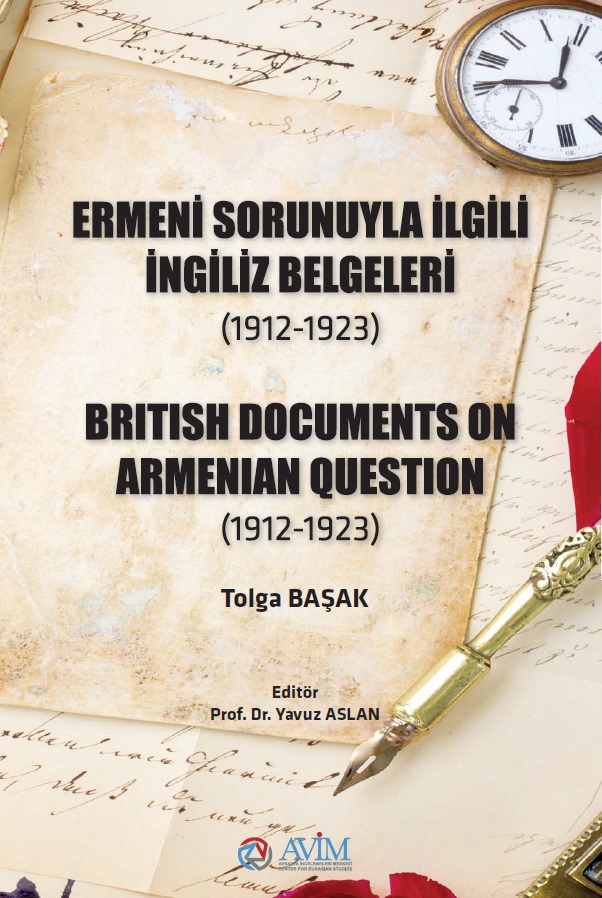
Ermeni Sorunuyla İlgili İngiliz Belgeleri (1912-1923) - British Documents on Armenian Question (1912-1923) -
02.12.2016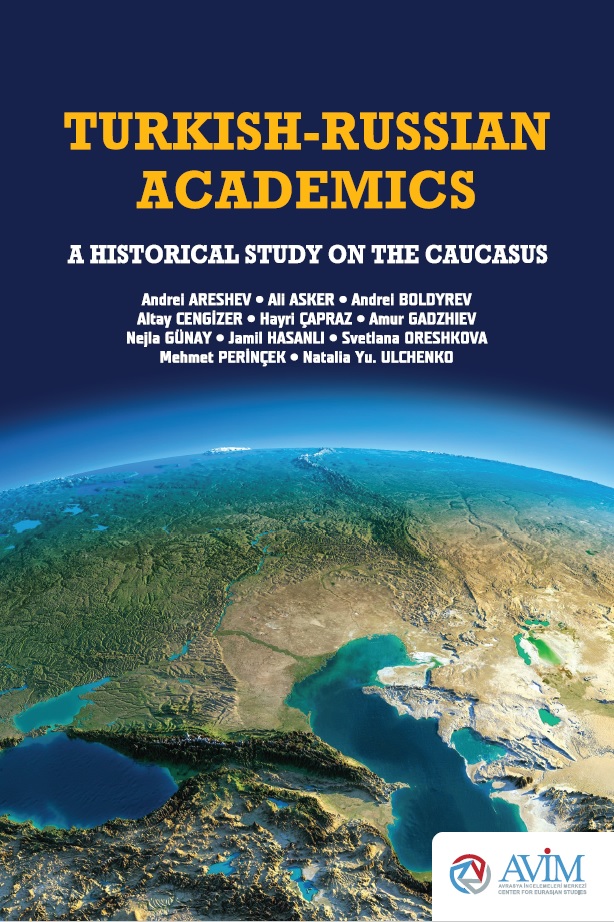
Turkish-Russian Academics: A Historical Study on the Caucasus -
01.07.2016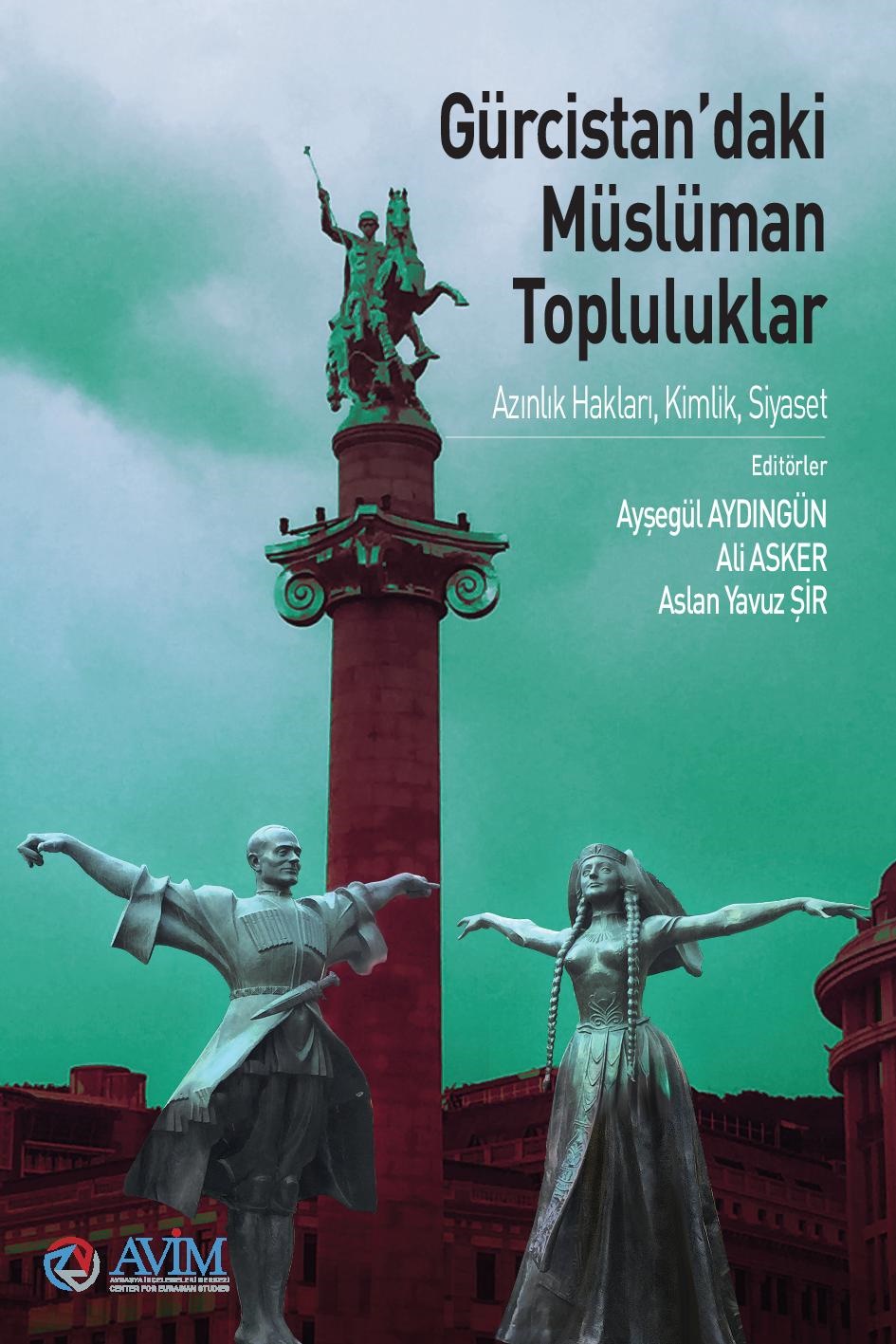
Gürcistan'daki Müslüman Topluluklar: Azınlık Hakları, Kimlik, Siyaset -
10.03.2016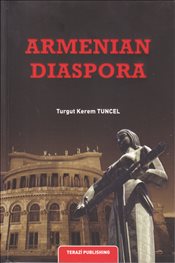
Armenian Diaspora: Diaspora, State and the Imagination of the Republic of Armenia -
24.01.2016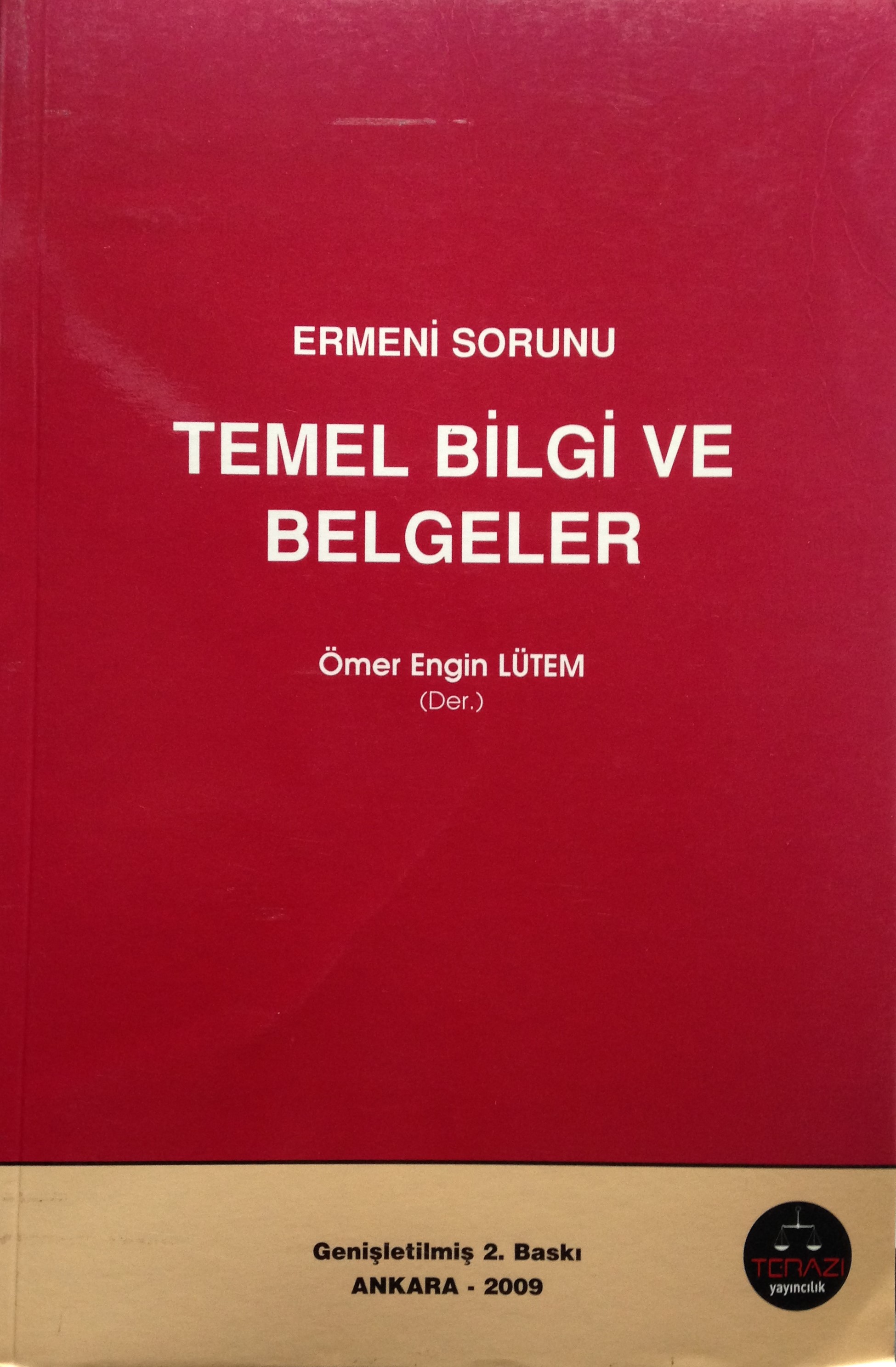
ERMENİ SORUNU - TEMEL BİLGİ VE BELGELER (2. BASKI)
-
AVİM Conference Hall 24.01.2023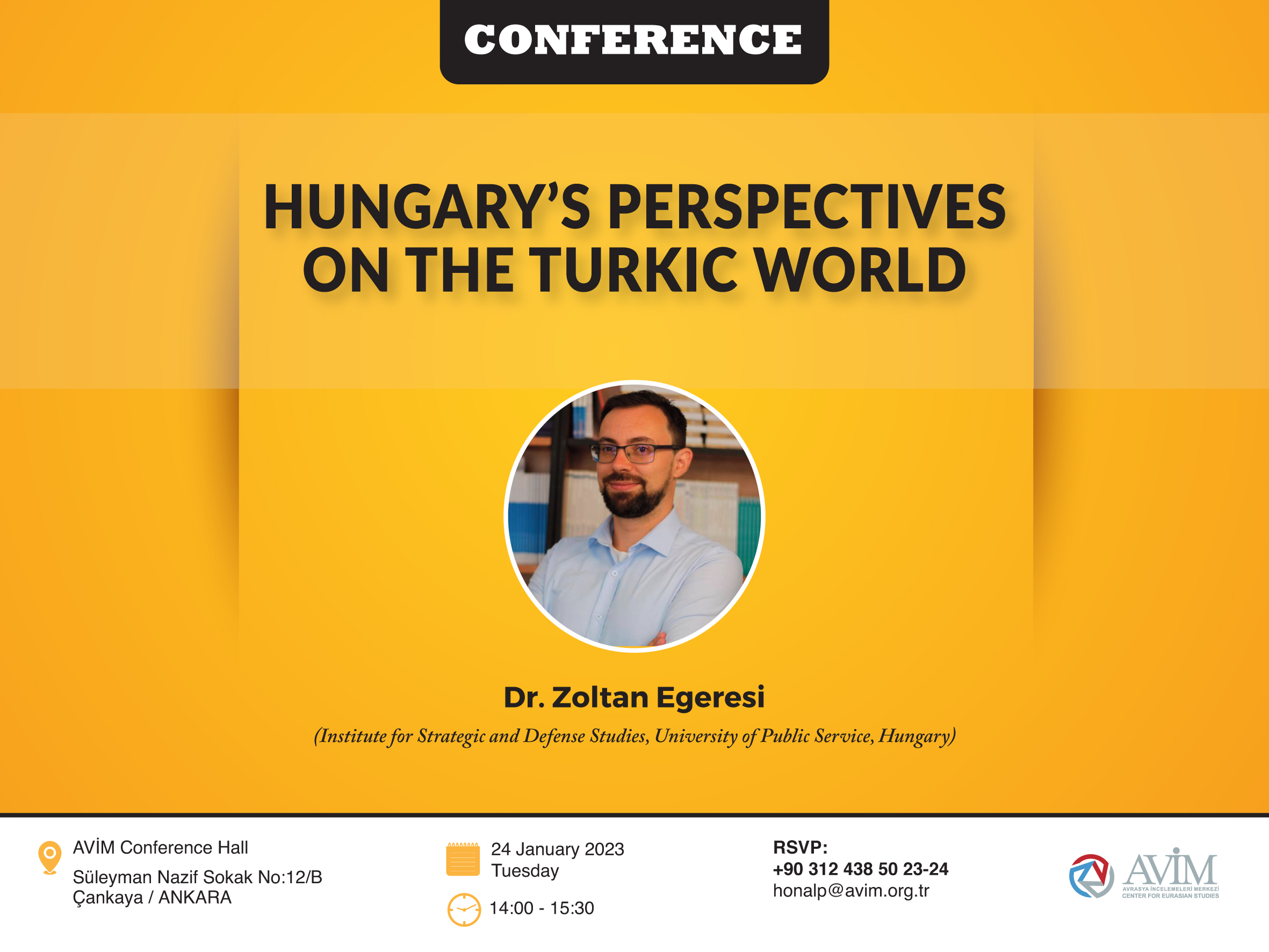
CONFERENCE TITLED “HUNGARY’S PERSPECTIVES ON THE TURKIC WORLD"